

1. Instant Deployment & Rapid Turnaround
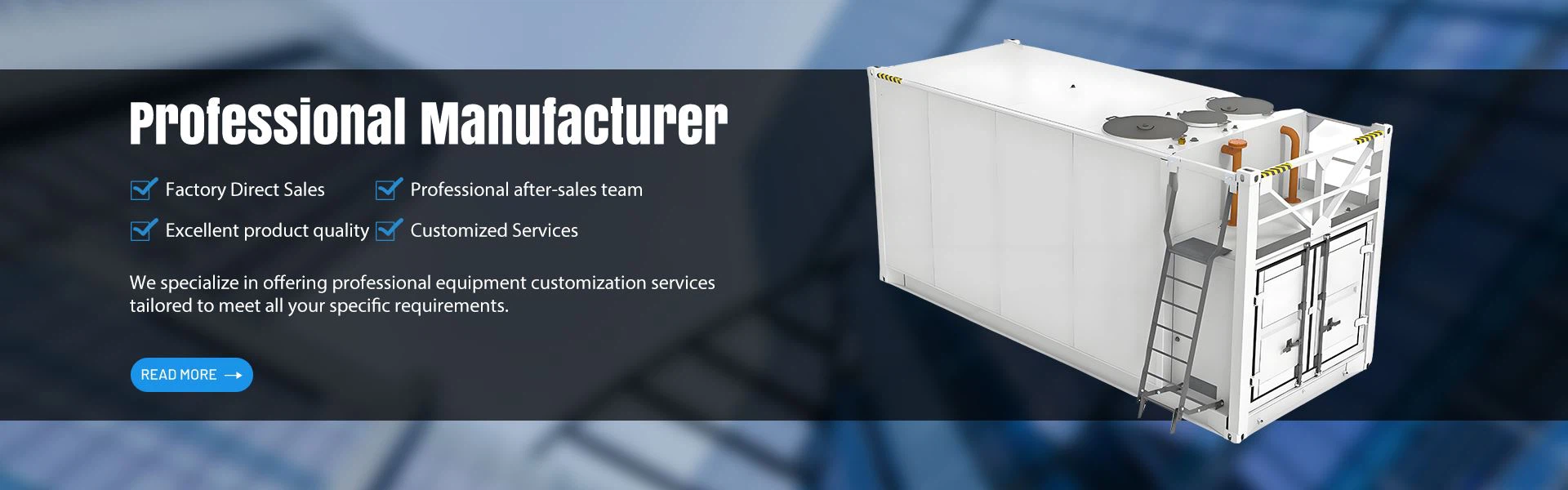
The entire fueling system is fully integrated within standard ISO containers or trailer chassis. Once hauled or towed to the site and connected to power, it is immediately operational. Eliminating civil engineering and underground tank installation saves days of construction time compared to temporary fixed stations, making it ideal for disaster relief (earthquakes, floods) and route disruptions.
2. Off-Grid Independence & Isolated Site Supply
Featuring storage capacities ranging from 10 to 50 m³ for skid-mounted configurations (and 3 to 10 m³ for truck-mounted units), the station operates independently of the local grid. Pre-filled or resupplied by certified hazardous chemical tankers, it resolves critical fuel shortages in disaster zones, remote mountainous terrain, and tunnel construction sites.
3. Intrinsic Safety & High-Risk Environment Resilience
The fuel tanks are engineered with advanced explosion-suppression/barrier explosion-proof materials, eliminating explosive risks from open flames, kinetic impacts, or puncture threats. Equipped with explosion-proof electrics, static grounding, emergency shut-off valves, and combustible gas detectors, the units comply with standard explosion-proof regulations (such as GB 50156 / UL 2085 for international markets) and can safely operate near fuel depots or active landslide zones.
4. Smart Dispensing Control & Automated Auditing
Equipped natively with IC card/RFID authentication, Automatic Number Plate Recognition (ANPR), and remote digital tank-level telemetry. The system enables precise, restricted fueling exclusively for authorized emergency machinery and generators while auto-logging usage data. This streamlines real-time command resource allocation and prevents unauthorized consumption or fuel theft.
5. Rapid Relocation & High Capital Efficiency
Upon completion of an operation, the entire unit can be clean-lifted and transferred to the next deployment site or stored at a base, leaving zero legacy environmental liabilities or underground infrastructure hazards. This maximizes asset utilization for organizations with rolling or cross-regional requirements, including fire services, highway maintenance departments, utility grids, and military logistics.
Target Application Scenarios
Disaster Relief Operations: Sustaining power generators, excavators, drainage pumps, and heavy engineering vehicles.
Major Events & Sports: Serving as a reliable standby backup fuel source for critical infrastructure.
Infrastructure Projects: Securing fuel continuity in remote construction areas before permanent stations are built.
⚠️ Regulatory & Compliance Notes
All fuel must be procured from legitimate, licensed wholesale suppliers with formal documentation retained for audit. For public road transport, mobile fueling trucks must hold valid hazardous material transport licenses and be operated by certified personnel. Internal, closed-site operations are exempt from public transit regulatory constraints.


