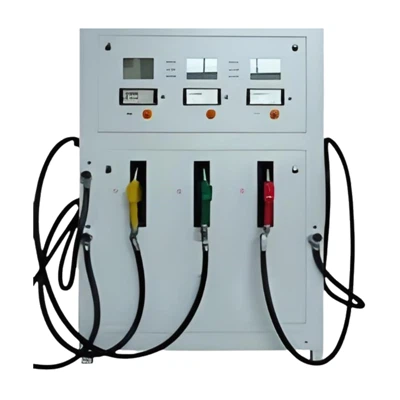
In the dynamic landscape of the fuel industry, the concept of mini petrol stations has been gaining significant traction. As a supplier of Mini Petrol Station, I've had the privilege of witnessing the growth and evolution of this niche market. One question that often arises is whether these mini petrol stations are owned by big oil companies. In this blog, I'll delve into this topic, exploring the various aspects and shedding light on the reality.
The Rise of Mini Petrol Stations
Mini petrol stations, also known as small - scale fueling points, have emerged as a practical solution to meet the growing demand for fuel in areas where traditional large - scale petrol stations may not be feasible. These stations are typically smaller in size, require less land, and can be set up in a relatively short period. They are often located in remote areas, industrial zones, or places with high traffic but limited space.
The convenience they offer is a major factor contributing to their popularity. For example, in a busy construction site, a mini petrol station can provide on - site fueling for heavy machinery, saving time and reducing the need for equipment to travel long distances to refuel. Similarly, in rural areas, these stations can ensure a regular supply of fuel for local vehicles and agricultural equipment.
Are Big Oil Companies Involved?
The relationship between big oil companies and mini petrol stations is complex. On one hand, some big oil companies do have an interest in mini petrol stations. These large corporations are constantly looking for ways to expand their market reach and increase their customer base. Mini petrol stations can be an effective way to penetrate new markets, especially in areas where building a full - sized petrol station is not economically viable.
Big oil companies may own mini petrol stations either directly or through partnerships. In some cases, they may invest in the construction and operation of these stations, leveraging their brand recognition and supply chain capabilities. This allows them to offer a consistent quality of fuel and services, which is crucial for maintaining customer trust.
However, not all mini petrol stations are owned by big oil companies. There is a significant number of independent operators in the market. These independent owners are often local entrepreneurs who see an opportunity in the mini petrol station business. They may source fuel from different suppliers, including both big oil companies and smaller fuel distributors.
Advantages for Big Oil Companies
If big oil companies choose to own or invest in mini petrol stations, there are several advantages. Firstly, it helps them to increase their market share. By having a presence in more locations, they can capture a larger portion of the fuel market, especially in areas that were previously underserved.
Secondly, it allows for better control over the supply chain. Big oil companies can ensure that the fuel they produce is being sold directly to consumers through their own mini petrol stations. This reduces the risk of fuel adulteration and ensures that the quality of the fuel meets their standards.
Moreover, mini petrol stations can serve as a testing ground for new products and services. Big oil companies can experiment with different fuel blends, loyalty programs, or payment methods in these smaller stations before rolling them out to larger, more established locations.
Challenges for Big Oil Companies
Despite the advantages, there are also challenges associated with big oil companies owning mini petrol stations. One of the main challenges is the cost of operation. Mini petrol stations, although smaller in size, still require investment in equipment, staff, and maintenance. Big oil companies may find it difficult to achieve economies of scale in these smaller operations, especially when compared to their large - scale refineries and full - sized petrol stations.
Another challenge is the competition from independent operators. Independent mini petrol stations often have more flexibility in terms of pricing and services. They can offer more competitive prices by sourcing fuel from different suppliers and adjusting their profit margins accordingly. This can make it difficult for big oil companies to compete, especially in price - sensitive markets.
The Role of Independent Operators
Independent operators play a crucial role in the mini petrol station market. They bring a local perspective and can better understand the needs of the community. For example, an independent operator in a rural area may offer additional services such as fuel delivery to farms or small businesses, which may not be offered by big oil companies.
Independent operators also contribute to the diversity of the market. They can introduce innovative business models and services, which can drive competition and improve the overall quality of the mini petrol station industry. For instance, some independent operators may focus on providing eco - friendly fuel options or implementing advanced technology for fuel management.
Market Trends and Future Outlook
The market for mini petrol stations is expected to continue growing in the coming years. The increasing demand for fuel in remote areas, combined with the need for more convenient and cost - effective fueling solutions, will drive the expansion of this market.
In terms of the ownership structure, we may see a mix of big oil company - owned and independent mini petrol stations. Big oil companies will likely continue to invest in this segment to expand their market reach, while independent operators will remain an important part of the market, offering unique services and competition.


The future may also bring more technological advancements to the mini petrol station industry. For example, the use of mobile payment systems, remote monitoring of fuel levels, and the integration of renewable energy sources are all trends that could shape the future of these stations.
As a Supplier
As a supplier of Mini Petrol Station and Mini Diesel Station, I've seen the different needs of both big oil company - owned and independent mini petrol stations. I understand the importance of providing high - quality equipment and reliable support to ensure the smooth operation of these stations.
Whether you are a big oil company looking to expand your portfolio or an independent operator starting a new business, I'm here to offer my expertise and products. Our range of mini petrol and diesel stations is designed to meet the specific requirements of different customers, from small - scale operations to larger, more complex setups.
If you are interested in learning more about our products or would like to discuss a potential partnership, I encourage you to reach out. We can have a detailed discussion about your needs, and I'm confident that we can find the right solution for your mini petrol station business.
References
- "The Future of the Fuel Industry: Trends and Insights" - Industry Report
- "Small - Scale Fueling Solutions: A Market Analysis" - Academic Paper
- "Big Oil and the Changing Landscape of Petrol Stations" - News Article