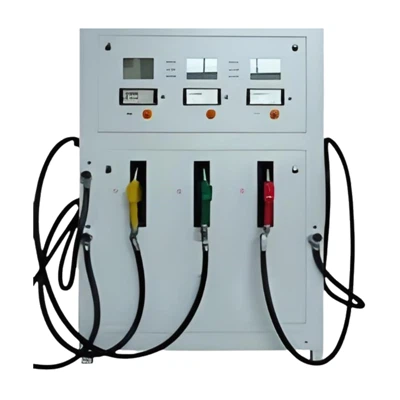
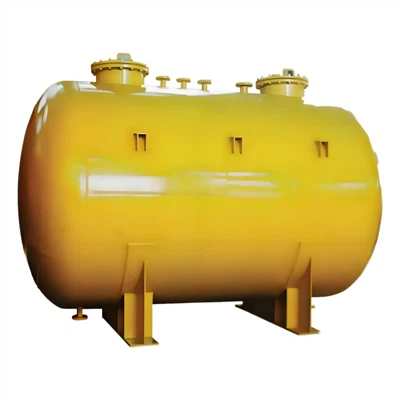
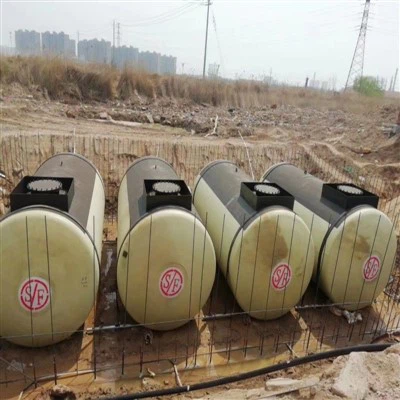
Hey there! As a supplier of self-bunded fuel tanks, I've seen firsthand how important it is to extend the lifespan of these tanks. Not only does it save you money in the long run, but it also ensures that your fuel storage is safe and reliable. In this blog post, I'm gonna share some tips on how you can make your self-bunded fuel tank last longer.
1. Choose the Right Tank
First things first, picking the right self-bunded fuel tank is crucial. You gotta consider the type of fuel you'll be storing. Whether it's petrol, gasoline, or something else, different fuels can have different chemical properties that might affect the tank. For example, if you're storing petrol, you might want to check out our Self Bunded Petrol Fuel Tank. It's designed specifically to handle petrol and is built to last.
Also, think about the size of the tank. You don't wanna go too big or too small. If it's too big, you end up paying for more than you need, and if it's too small, you'll have to refill it more often, which can cause wear and tear. Make sure to assess your fuel usage and storage needs before making a decision.
2. Proper Installation
Once you've got the right tank, proper installation is key. It's not something you can just slap together. You need to follow the manufacturer's instructions carefully. Make sure the tank is installed on a level surface. If it's not level, it can put uneven stress on the tank, which can lead to cracks or leaks over time.
Also, ensure that the tank is properly grounded. This helps prevent static electricity buildup, which can be a major hazard when dealing with fuel. And don't forget to connect all the pipes and fittings correctly. A loose connection can cause fuel to leak, which not only wastes fuel but also poses a safety risk.
3. Regular Inspections
Regular inspections are a must. You should check your self-bunded fuel tank at least once a month. Look for any signs of damage, like cracks, dents, or rust. If you notice any issues, address them right away. A small problem can quickly turn into a big one if left untreated.
Check the seals and gaskets too. Over time, these can wear out and start to leak. Replace them as soon as you notice any signs of wear. And don't forget to check the level of the secondary containment. If it's getting full, it could mean there's a leak in the primary tank.
4. Keep the Tank Clean
Keeping your self-bunded fuel tank clean is important. Dirt and debris can accumulate inside the tank, which can contaminate the fuel and cause problems with your engine. You should drain and clean the tank at least once a year. Use a high-quality fuel tank cleaner to remove any sludge or buildup.
Also, make sure to keep the outside of the tank clean. Wash it regularly with a mild detergent and water. This helps prevent rust and corrosion, which can weaken the tank over time.
5. Monitor the Fuel Quality
The quality of the fuel you store in your self-bunded fuel tank can have a big impact on its lifespan. You should test the fuel regularly to make sure it's clean and free of contaminants. If the fuel is contaminated, it can cause damage to the tank and the fuel system.
You can use a fuel testing kit to check the fuel quality. If you find that the fuel is contaminated, you should drain the tank and refill it with clean fuel. And make sure to use a high-quality fuel filter to prevent contaminants from getting into the tank in the first place.
6. Protect the Tank from the Elements
The elements can be tough on your self-bunded fuel tank. Extreme temperatures, sunlight, and moisture can all cause damage. You should protect the tank from these elements as much as possible.
If you live in an area with extreme temperatures, consider installing a tank insulation system. This helps keep the fuel at a stable temperature and prevents the tank from expanding and contracting, which can cause damage.
Also, make sure the tank is shaded from direct sunlight. Sunlight can cause the fuel to break down and can also damage the tank's paint and coating. And if you live in a humid area, you should use a dehumidifier to keep the air inside the tank dry.
7. Train Your Staff
If you have employees who work with the self-bunded fuel tank, it's important to train them properly. They should know how to operate the tank safely and how to perform basic maintenance tasks.
Provide them with training on fuel handling, tank inspections, and emergency procedures. Make sure they understand the importance of following the safety guidelines and the proper maintenance procedures. This can help prevent accidents and ensure that the tank is well-maintained.
8. Follow the Manufacturer's Recommendations
Finally, make sure to follow the manufacturer's recommendations for your self-bunded fuel tank. They know their product best and can provide you with valuable information on how to extend its lifespan.


Read the owner's manual carefully and follow the maintenance schedule. Use the recommended products and procedures for cleaning, servicing, and repairing the tank. This can help ensure that your tank lasts as long as possible.
In conclusion, extending the lifespan of a self-bunded fuel tank requires a combination of proper installation, regular inspections, cleaning, and maintenance. By following these tips, you can save money, ensure the safety of your fuel storage, and get the most out of your investment. If you're in the market for a self-bunded fuel tank, whether it's a Self Bunded Gasoline Tank or a Self Bunded Petrol Tank, feel free to reach out to us. We're here to help you find the right tank for your needs and provide you with the support you need to keep it in top condition.
References
- Industry standards and best practices for self-bunded fuel tank maintenance.
- Manufacturer's guidelines and specifications for self-bunded fuel tanks.