

As a supplier of portable fuel stations, I often encounter inquiries from customers about the regulations surrounding the use of these convenient and versatile fueling solutions. Portable fuel stations, including Portable Petrol Station, Portable Gasoline Station, and Portable Diesel Station, offer flexibility and efficiency in refueling various vehicles and equipment. However, due to the nature of handling flammable fuels, strict regulations are in place to ensure safety and compliance.
Understanding the Regulatory Landscape
The regulations governing the use of portable fuel stations vary depending on the country, state, and local jurisdiction. These regulations are primarily designed to prevent accidents, protect the environment, and ensure public safety. In general, they cover aspects such as installation, operation, maintenance, and storage of portable fuel stations.

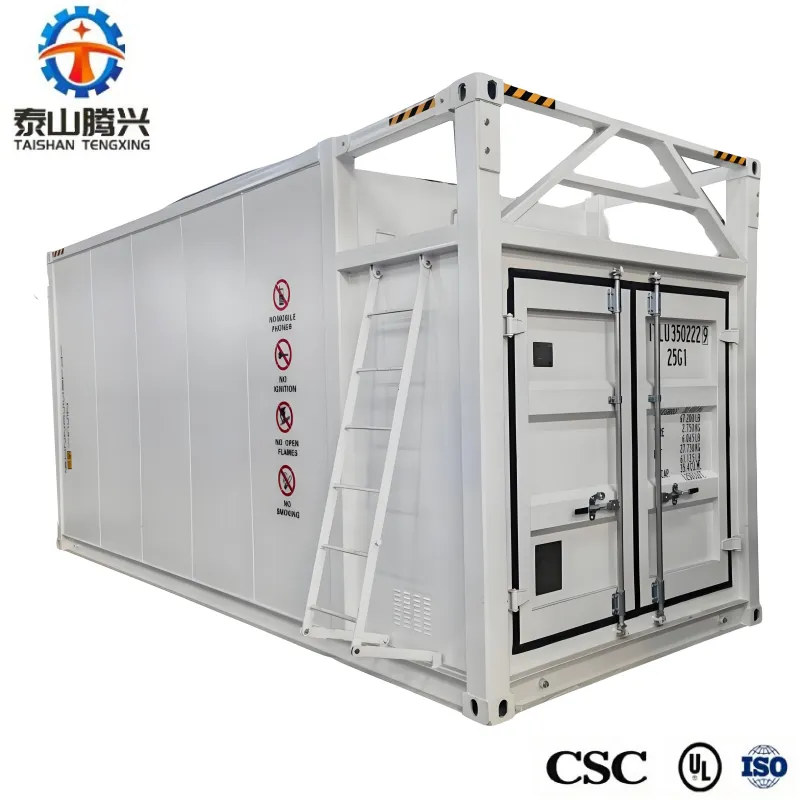
Installation Regulations
When installing a portable fuel station, it is crucial to comply with local building codes and zoning regulations. These codes specify requirements for the location, ventilation, and structural integrity of the fuel station. For example, the fuel station must be installed in a well - ventilated area away from sources of ignition, such as open flames, electrical equipment, and heat sources. It should also be placed on a stable and level surface to prevent spills and leaks.
In addition, some jurisdictions may require a permit for the installation of a portable fuel station. The permit application process typically involves submitting detailed plans and specifications of the fuel station, including its size, capacity, and safety features. A professional engineer or a qualified installer may be required to certify that the installation meets all the necessary standards.
Operational Regulations
Once the portable fuel station is installed, operators must adhere to strict operational regulations. These regulations govern activities such as fuel dispensing, employee training, and emergency response. For fuel dispensing, there are rules regarding the maximum flow rate, the use of proper dispensing equipment, and the prevention of overfilling.
Employee training is also a critical aspect of operational regulations. All personnel involved in the operation of the portable fuel station must receive comprehensive training on fuel handling, safety procedures, and emergency response. This training should cover topics such as fire prevention, spill containment, and the proper use of personal protective equipment (PPE).
Emergency response plans are another essential part of operational regulations. Operators must have a detailed plan in place to respond to potential emergencies, such as fires, spills, and leaks. The plan should include procedures for evacuating the area, notifying the appropriate authorities, and containing and cleaning up spills.
Maintenance and Storage Regulations
Regular maintenance is necessary to ensure the safe and efficient operation of a portable fuel station. Maintenance regulations typically require operators to conduct routine inspections of the fuel station, including checking for leaks, corrosion, and damage to the equipment. They also specify the frequency of maintenance tasks, such as filter changes, pump servicing, and tank cleaning.
Storage of fuel is also subject to strict regulations. Portable fuel stations must be designed and constructed to prevent fuel spills and leaks during storage. The fuel tanks should be made of materials that are resistant to corrosion and have proper ventilation to prevent the buildup of explosive vapors. In addition, there are limits on the maximum amount of fuel that can be stored at a portable fuel station, depending on its location and the type of fuel.
Compliance in Different Regions
The regulatory requirements for portable fuel stations can vary significantly from one region to another. In the United States, for example, the Environmental Protection Agency (EPA) and the Occupational Safety and Health Administration (OSHA) play a major role in regulating the use of portable fuel stations. The EPA focuses on environmental protection, such as preventing fuel spills and reducing air pollution, while OSHA is concerned with workplace safety and employee health.
In the European Union, the regulations are harmonized to a certain extent through directives and standards. The ATEX directive, for instance, sets requirements for equipment used in potentially explosive atmospheres, which is relevant for portable fuel stations. Member states may also have their own national regulations that supplement the EU - wide standards.
In Asia, different countries have their own unique regulatory frameworks. Some countries have adopted international standards, while others have developed their own specific regulations based on local conditions and priorities.
Benefits of Complying with Regulations
Complying with regulations for using a portable fuel station offers several benefits. Firstly, it ensures the safety of the operators, employees, and the general public. By following safety procedures and maintaining the fuel station properly, the risk of accidents, such as fires and explosions, is significantly reduced.
Secondly, compliance helps to protect the environment. By preventing fuel spills and leaks, the contamination of soil and water sources can be avoided. This is especially important as fuel spills can have long - term environmental impacts, including damage to ecosystems and water supplies.
Finally, compliance with regulations can enhance the reputation of the business. Customers are more likely to trust a company that operates its portable fuel station in a safe and responsible manner. It can also help the business avoid costly fines and legal issues that may arise from non - compliance.
Our Role as a Supplier
As a supplier of portable fuel stations, we are committed to helping our customers understand and comply with the relevant regulations. We provide detailed product information and technical support to ensure that our customers can install, operate, and maintain their portable fuel stations safely and legally.
Our portable fuel stations are designed and manufactured to meet the highest international standards. They are equipped with advanced safety features, such as overfill prevention devices, leak detection systems, and fire suppression equipment. We also offer training programs for our customers' employees to ensure that they are well - versed in the proper use and maintenance of the fuel stations.
Contact Us for More Information
If you are considering purchasing a portable fuel station, it is essential to understand the regulations in your area. Our team of experts is here to assist you in navigating the complex regulatory landscape. We can provide you with detailed information on the specific regulations that apply to your location and help you choose the right portable fuel station that meets all the necessary requirements.
Whether you need a Portable Petrol Station, Portable Gasoline Station, or Portable Diesel Station, we have the expertise and the products to meet your needs. Contact us today to start a conversation about your fueling requirements and let us help you make an informed decision.
References
- International Fire Code (IFC)
- National Fire Protection Association (NFPA) Standards
- Environmental Protection Agency (EPA) Regulations
- Occupational Safety and Health Administration (OSHA) Standards
- European Union Directives and Standards


