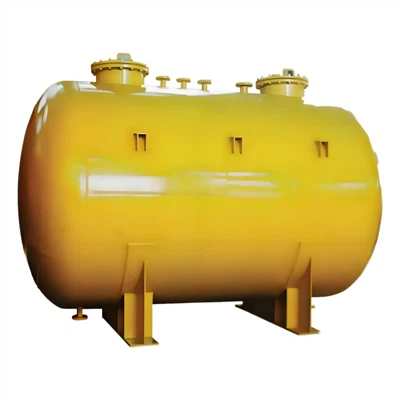
Are there any specific building codes for underground petrol tank installation?
Hey there! I'm an underground petrol tank supplier, and I often get asked about the building codes for installing these tanks. It's a crucial topic because getting it wrong can lead to all sorts of problems, from environmental issues to safety hazards. So, let's dive right in and explore what these codes are all about.
First off, why do we even need building codes for underground petrol tank installation? Well, petrol is a highly flammable and potentially dangerous substance. When it's stored underground, there are risks like leaks, which can contaminate the soil and groundwater. Building codes are in place to minimize these risks and ensure that the installation is done safely and correctly.


One of the most important aspects of the building codes is the tank's construction. The Underground Petrol Tank must be made of materials that can withstand the harsh underground environment. For example, it should be corrosion-resistant to prevent rusting and leakage over time. Most codes require the use of steel or fiberglass tanks, as these materials are known for their durability.
Another key factor is the tank's location. It needs to be placed at a safe distance from buildings, water sources, and other potential hazards. This is to prevent any fire or explosion from spreading and to protect the surrounding environment. The exact distance requirements can vary depending on local regulations, but generally, there are minimum distances specified for different types of structures.
The installation process itself also has specific requirements. The tank must be properly installed and supported to prevent it from shifting or settling over time. This often involves using a concrete base or other suitable support system. Additionally, the pipes and fittings used to connect the tank to the dispensing equipment must be of high quality and installed correctly to prevent leaks.
Ventilation is another crucial aspect of the building codes. Underground petrol tanks need to be properly ventilated to prevent the build-up of flammable vapors. This is usually achieved through the use of vent pipes that are designed to release the vapors safely into the atmosphere. The vent pipes must be installed at the correct height and have the appropriate diameter to ensure proper ventilation.
Monitoring and maintenance are also important parts of the building codes. Regular inspections of the tank and its associated equipment are required to detect any potential problems early on. This includes checking for leaks, corrosion, and proper functioning of the ventilation system. Maintenance tasks such as cleaning and painting the tank may also be necessary to ensure its long-term integrity.
Now, let's talk about the different types of underground petrol tanks. We have Underground Gasoline Tank and Underground Diesel Tank. While the basic building codes apply to both types, there may be some slight differences in the requirements. For example, diesel is less flammable than gasoline, so the ventilation requirements for a diesel tank may be slightly different.
It's important to note that building codes can vary from one jurisdiction to another. Local authorities often have their own set of regulations that must be followed. This means that if you're planning to install an underground petrol tank, you need to check with your local building department to find out what the specific requirements are in your area.
As a supplier, I understand the importance of complying with these building codes. That's why I always make sure that the tanks I supply meet all the necessary standards. I work closely with my customers to ensure that they have all the information they need to install the tanks correctly and safely.
If you're in the market for an underground petrol tank, I encourage you to get in touch with me. I can provide you with detailed information about the tanks, the installation process, and the building codes. I can also help you find a qualified installer who can ensure that the tank is installed in accordance with all the regulations.
In conclusion, there are indeed specific building codes for underground petrol tank installation. These codes are in place to protect the environment, ensure safety, and prevent potential hazards. As a supplier, I'm committed to helping my customers comply with these codes and providing them with high-quality tanks that meet all the necessary standards. So, if you have any questions or need more information, don't hesitate to reach out.
References:
- Local building department regulations
- Industry standards and guidelines for underground petrol tank installation