Can above ground fuel tanks be used for aviation fuel? This is a question that often comes up in the fuel storage and aviation industries. As a supplier of above ground fuel tanks, I'm here to provide a comprehensive answer based on scientific facts and industry standards.
Understanding Aviation Fuel Requirements
Aviation fuel, whether it's jet fuel or aviation gasoline, has specific requirements that set it apart from other types of fuels. Jet fuel, for example, needs to have a high energy density, low freezing point, and excellent lubricity to ensure the safe and efficient operation of aircraft engines. Aviation gasoline, on the other hand, has different octane ratings and chemical compositions to meet the needs of piston - engine aircraft.
These requirements mean that the storage of aviation fuel must be carefully managed. Contamination, such as water or particulate matter, can have serious consequences for aircraft engines. Even small amounts of water can cause icing in the fuel system at high altitudes, leading to engine failure. Particulate matter can clog fuel filters and injectors, reducing engine performance.
Features of Above Ground Fuel Tanks
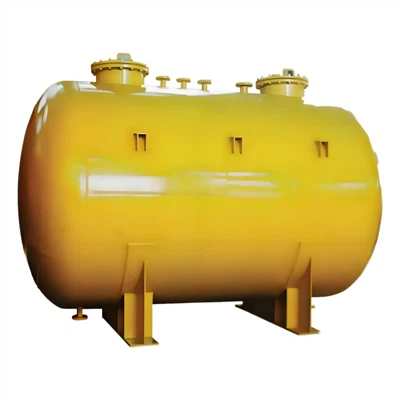
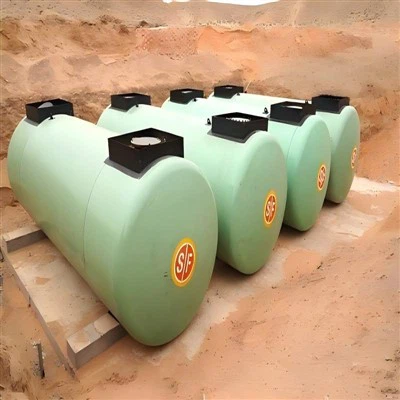
Above ground fuel tanks come in various sizes and materials, each with its own set of advantages. They are typically made of steel, fiberglass, or polyethylene. Steel tanks are known for their durability and strength, making them suitable for large - scale fuel storage. Fiberglass tanks are corrosion - resistant and lightweight, while polyethylene tanks are cost - effective and easy to install.
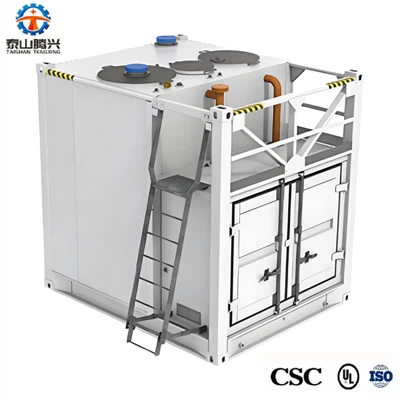
Our Above Ground Diesel Fuel Tank and Above Ground Diesel Tank models are designed with safety and efficiency in mind. They are equipped with features such as leak detection systems, ventilation, and overfill prevention devices. These features help to minimize the risk of fuel spills and ensure the integrity of the stored fuel.
Compatibility of Above Ground Fuel Tanks with Aviation Fuel
The use of above ground fuel tanks for aviation fuel is possible, but it requires careful consideration of several factors.
Material Compatibility
The material of the fuel tank must be compatible with aviation fuel. Steel tanks are generally suitable for jet fuel storage, as long as they are properly coated to prevent corrosion. Fiberglass and polyethylene tanks can also be used, but they need to be specifically designed and tested for aviation fuel compatibility. Some types of plastics may react with aviation fuel over time, leading to degradation of the tank material and potential contamination of the fuel.


Safety and Regulatory Compliance
Storing aviation fuel in above ground tanks must comply with strict safety and regulatory standards. These standards are in place to protect the environment, public safety, and the integrity of the aviation fuel. For example, tanks must be located at a safe distance from ignition sources, and they need to have proper grounding to prevent static electricity buildup. Additionally, regular inspections and maintenance are required to ensure that the tanks are in good working condition.
Contamination Control
As mentioned earlier, contamination is a major concern when storing aviation fuel. Above ground fuel tanks should be equipped with filtration systems to remove water and particulate matter from the fuel. The tanks should also be designed to prevent the entry of foreign substances, such as dust and debris. Regular sampling and testing of the stored fuel are necessary to ensure its quality.
Benefits of Using Above Ground Fuel Tanks for Aviation Fuel
There are several benefits to using above ground fuel tanks for aviation fuel storage.
Ease of Installation and Maintenance
Above ground fuel tanks are generally easier to install compared to underground tanks. They do not require extensive excavation work, which can save time and money. Maintenance is also more straightforward, as access to the tank and its components is easier. This allows for quicker inspections, repairs, and upgrades.
Visibility and Monitoring
Above ground tanks provide better visibility, making it easier to detect leaks, corrosion, or other issues. Monitoring systems can be easily installed on the tanks to track fuel levels, temperature, and other parameters. This real - time monitoring helps to ensure the safety and efficiency of the fuel storage system.
Flexibility
Above ground fuel tanks offer greater flexibility in terms of location and capacity. They can be easily moved or expanded if needed, allowing for changes in fuel storage requirements. This is particularly useful for airports or aviation facilities that may experience growth or changes in their operations.
Considerations for Aviation Fuel Storage in Above Ground Tanks
While above ground fuel tanks can be used for aviation fuel, there are some additional considerations.
Weather and Environmental Factors
Above ground tanks are exposed to the elements, which can affect the quality of the stored fuel. Extreme temperatures, sunlight, and humidity can cause changes in the fuel's properties. For example, high temperatures can increase the rate of evaporation, while cold temperatures can cause the fuel to thicken. Proper insulation and temperature control measures may be required to mitigate these effects.
Security
Aviation fuel is a valuable commodity, and security is a major concern. Above ground tanks need to be protected against theft, vandalism, and unauthorized access. This may involve the use of fencing, locks, and surveillance systems.
Conclusion
In conclusion, above ground fuel tanks can be used for aviation fuel, but it is essential to ensure that the tanks are properly designed, installed, and maintained. Compatibility with aviation fuel, compliance with safety and regulatory standards, and effective contamination control are key factors in using above ground tanks for this purpose.
As a supplier of above ground fuel tanks, we have the expertise and experience to provide high - quality tanks that meet the specific requirements of aviation fuel storage. Our Above Ground Gasoline Fuel Tank models are designed to ensure the safety and integrity of the stored fuel.
If you are considering using above ground fuel tanks for aviation fuel storage, we encourage you to contact us for a consultation. Our team of experts can help you select the right tank for your needs and provide guidance on installation, maintenance, and compliance. We look forward to working with you to ensure the safe and efficient storage of your aviation fuel.
References
- International Civil Aviation Organization (ICAO). (Year). Aviation Fuel Quality Requirements.
- American Petroleum Institute (API). (Year). Standards for Above Ground Fuel Tanks.
- Federal Aviation Administration (FAA). (Year). Safety Regulations for Aviation Fuel Storage.