Can a 40ft ISO tank be used for transporting biofuels?
In the realm of modern logistics and the burgeoning biofuel industry, the question of whether a 40ft ISO tank is suitable for transporting biofuels is of significant importance. As a dedicated supplier of 40ft ISO tanks, I am well - versed in the intricacies of this topic and am eager to share my insights.
Biofuels, which include ethanol, biodiesel, and other renewable fuels derived from organic matter, have gained increasing popularity in recent years. They are seen as a more sustainable alternative to traditional fossil fuels, with potential to reduce greenhouse gas emissions and dependence on non - renewable resources. However, transporting these biofuels safely and efficiently requires specialized equipment, and the 40ft ISO tank is one such option that deserves close examination.
Advantages of Using a 40ft ISO Tank for Biofuel Transport
Standardization
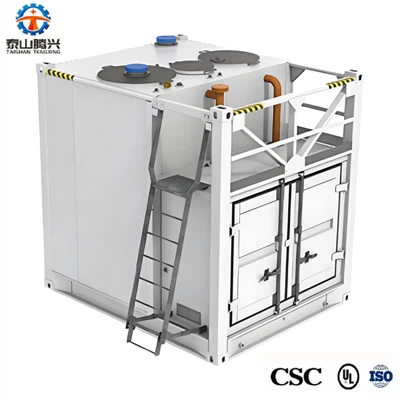
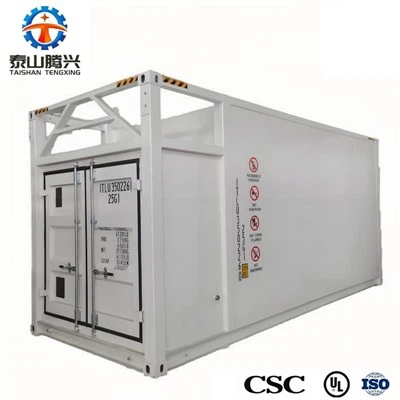
One of the most significant advantages of the 40ft ISO tank is its standardization. ISO (International Organization for Standardization) has set strict specifications for these tanks, ensuring that they are compatible with various transportation modes, including trucks, trains, and ships. This standardization simplifies the logistics process, as the same tank can be easily transferred between different carriers without the need for extensive modifications. For biofuel producers and distributors, this means a more seamless and cost - effective transportation solution. They can move their products across different regions and even countries with greater ease, knowing that the 40ft ISO tank meets international standards. To learn more about the standard 40ft ISO tank, you can visit 40 FT ISO Tank.
Capacity
A 40ft ISO tank offers a substantial capacity for biofuel transport. With a large volume, it can carry a significant amount of biofuel in a single shipment. This is particularly beneficial for biofuel producers who need to transport large quantities of their products to various markets. By using a 40ft ISO tank, they can reduce the number of trips required, which in turn lowers transportation costs and reduces the carbon footprint associated with multiple smaller shipments. For example, a single 40ft ISO tank can carry enough biofuel to power a significant number of vehicles for a certain period, making it an efficient choice for large - scale distribution.


Safety Features
40ft ISO tanks are designed with a range of safety features to ensure the secure transportation of biofuels. These tanks are typically made of high - quality materials that are resistant to corrosion and can withstand the chemical properties of biofuels. They are also equipped with pressure relief valves, emergency shut - off devices, and other safety mechanisms to prevent leaks, spills, and other potential hazards. For biofuels, which can be flammable or have specific chemical characteristics, these safety features are crucial. They protect the environment, the transport workers, and the general public from potential risks associated with biofuel transportation.
Durability
The construction of 40ft ISO tanks is built to last. They are designed to withstand the rigors of long - distance transportation, including rough handling, vibrations, and varying environmental conditions. This durability means that the tanks can be used for multiple trips over an extended period, providing a cost - effective solution for biofuel transport in the long run. Biofuel producers and distributors can rely on these tanks to protect their products during transit and ensure that they arrive at their destination in good condition.
Considerations and Challenges
Compatibility with Biofuel Types
While 40ft ISO tanks are generally suitable for transporting biofuels, it is essential to consider the compatibility of the tank material with the specific type of biofuel. Different biofuels have different chemical compositions, and some may react with certain tank materials. For example, ethanol can be corrosive to some metals over time. Therefore, it is crucial to choose a tank with the appropriate lining or coating to prevent any chemical reactions that could damage the tank or contaminate the biofuel. As a supplier, we work closely with our clients to ensure that the 40ft ISO tanks we provide are compatible with their specific biofuel requirements.
Regulatory Requirements
The transportation of biofuels is subject to various regulatory requirements at both the national and international levels. These regulations cover aspects such as safety standards, labeling, and documentation. When using a 40ft ISO tank for biofuel transport, it is necessary to ensure that the tank and the entire transportation process comply with these regulations. Failure to do so can result in fines, delays, and other legal issues. We, as a 40ft ISO tank supplier, keep ourselves updated with the latest regulatory changes and can provide guidance to our clients on how to meet these requirements.
Cleaning and Maintenance
Proper cleaning and maintenance of the 40ft ISO tank are crucial to ensure the quality of the biofuel being transported. After each shipment, the tank needs to be thoroughly cleaned to remove any residues or contaminants. This is especially important when transporting different types of biofuels or when switching from biofuels to other products. Regular maintenance checks, including inspections of the tank's structural integrity and safety features, are also necessary to prevent any potential problems during transportation. As a supplier, we can offer advice on the best cleaning and maintenance practices for our 40ft ISO tanks.
Real - World Applications
In the real world, 40ft ISO tanks are already being used for biofuel transport in many regions. For example, in Europe, where there is a strong push towards renewable energy sources, biofuel producers are increasingly using these tanks to transport their products to various markets. The standardization of the 40ft ISO tank allows for easy integration into the existing European transportation network, enabling biofuels to be distributed efficiently across different countries.
In the United States, biofuel producers are also leveraging the benefits of 40ft ISO tanks. With a large domestic market and a growing biofuel industry, these tanks provide a practical solution for transporting biofuels from production facilities to refineries and end - users. The capacity and safety features of the 40ft ISO tank make it an attractive option for both small - scale and large - scale biofuel operations.
Conclusion
In conclusion, a 40ft ISO tank can indeed be used for transporting biofuels, offering numerous advantages such as standardization, capacity, safety, and durability. However, it is essential to consider the compatibility with biofuel types, regulatory requirements, and proper cleaning and maintenance. As a supplier of 40ft ISO tanks, we are committed to providing high - quality products and services to meet the specific needs of the biofuel industry. If you are involved in biofuel production or distribution and are considering using a 40ft ISO tank for transportation, we encourage you to reach out to us to discuss your requirements. We can help you select the most suitable tank and provide all the necessary support to ensure a smooth and successful biofuel transportation process. To explore our range of 40ft ISO containers, visit 40 FT ISO Container.
If you have any questions or would like to start a conversation about purchasing 40ft ISO tanks for biofuel transport, please feel free to get in touch. We look forward to the opportunity to work with you and contribute to the growth of the biofuel industry.
References
- "Biofuels: A Renewable Energy Source", International Energy Agency
- "ISO Tank Container Standards", International Organization for Standardization
- "Transportation Regulations for Biofuels", Various National and International Regulatory Bodies