Hey there! As a supplier of self-bunded fuel tanks, I often get asked if these tanks can be used in agricultural applications. Well, the short answer is a resounding yes! In this blog post, I'll break down why self-bunded fuel tanks are a great fit for the agricultural sector, the benefits they bring, and some key considerations.
Why Agricultural Operations Need Fuel Tanks
First off, let's talk about why fuel storage is so crucial in agriculture. Farms rely heavily on machinery like tractors, harvesters, and irrigation pumps. All these machines need fuel to run, and having a reliable and safe fuel storage solution is essential. Without proper fuel storage, farmers might face disruptions in their operations due to running out of fuel or dealing with fuel contamination.
What Are Self-Bunded Fuel Tanks?
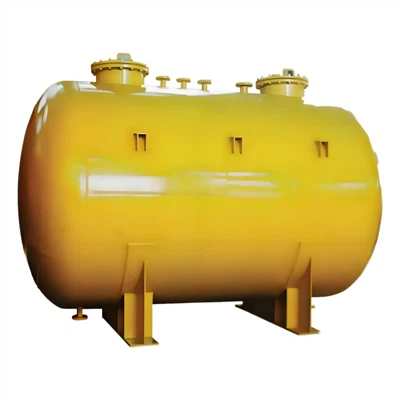
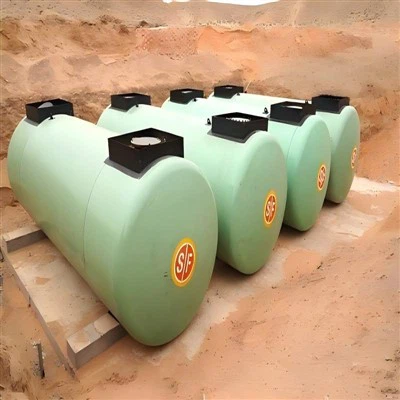
Self-bunded fuel tanks are essentially double-walled tanks. They have an inner tank that holds the fuel and an outer tank that acts as a secondary containment. This design provides an extra layer of protection against fuel spills and leaks. If there's a leak in the inner tank, the outer tank will catch the fuel, preventing it from seeping into the environment.
Advantages of Using Self-Bunded Fuel Tanks in Agriculture
1. Safety First
Safety is a top priority on any farm. Self-bunded fuel tanks are designed to minimize the risk of fuel spills. In the agricultural setting, where there are often children, livestock, and valuable crops around, preventing fuel spills is crucial. A single fuel spill can contaminate the soil, harm the crops, and pose a danger to the health of animals and humans. With a self-bunded tank, you can have peace of mind knowing that your fuel is stored safely.
2. Environmental Friendliness
As mentioned earlier, the double-walled design of self-bunded fuel tanks helps prevent fuel from leaking into the environment. This is not only important for the immediate area around the farm but also for the broader ecosystem. Fuel spills can contaminate water sources, harm wildlife, and damage the soil's fertility. By using a self-bunded tank, farmers can do their part in protecting the environment.
3. Cost-Effective
In the long run, self-bunded fuel tanks can save farmers money. They reduce the risk of costly fuel spills and the associated cleanup costs. Additionally, many self-bunded tanks are designed to be durable and long-lasting, which means less frequent replacement. Some models also come with features that help reduce fuel evaporation, saving even more money on fuel costs.
4. Convenience
Having a self-bunded fuel tank on the farm means that farmers don't have to make frequent trips to the gas station. They can refuel their machinery right on the farm, which saves time and increases productivity. This is especially important during busy seasons like harvest time when every minute counts.
Types of Self-Bunded Fuel Tanks for Agricultural Use
There are different types of self-bunded fuel tanks available, depending on the type of fuel you need to store.
Self Bunded Diesel Tank
Diesel is one of the most commonly used fuels in agriculture. Self Bunded Diesel Tank are specifically designed to store diesel fuel safely. They are built to withstand the unique properties of diesel, such as its higher viscosity and lower volatility compared to gasoline.
Self Bunded Petrol Fuel Tank
For smaller agricultural equipment that runs on petrol, Self Bunded Petrol Fuel Tank are a great option. These tanks are designed to handle the more volatile nature of petrol and provide the necessary safety features to prevent spills and leaks.
Self Bunded Gasoline Tank
Similar to petrol tanks, Self Bunded Gasoline Tank are suitable for storing gasoline. They are engineered to meet the safety standards required for handling this highly flammable fuel.
Key Considerations When Choosing a Self-Bunded Fuel Tank for Agriculture
1. Capacity
The capacity of the tank you choose will depend on the size of your farm and the amount of fuel you use. If you have a large farm with many machines, you'll need a larger tank to ensure you have enough fuel on hand. On the other hand, if you have a smaller operation, a smaller tank might be sufficient.
2. Location
Where you place the tank is also important. It should be located in a well-ventilated area away from sources of heat and ignition. It should also be easily accessible for refueling and maintenance.
3. Compliance
Make sure the tank you choose complies with all relevant safety and environmental regulations. This will help you avoid any legal issues and ensure that your fuel storage is up to standard.
Installation and Maintenance
Proper installation and maintenance are key to getting the most out of your self-bunded fuel tank. When installing the tank, it's important to follow the manufacturer's instructions carefully. This might involve preparing a suitable foundation, connecting the necessary pipes and fittings, and ensuring that the tank is level.
Regular maintenance is also essential. This includes checking for leaks, inspecting the tank's integrity, and cleaning the tank and its components. By keeping up with maintenance, you can extend the life of the tank and ensure that it continues to operate safely and efficiently.
Conclusion
In conclusion, self-bunded fuel tanks are an excellent choice for agricultural applications. They offer a high level of safety, are environmentally friendly, cost-effective, and convenient. Whether you need to store diesel, petrol, or gasoline, there's a self-bunded tank that's right for you.
If you're a farmer or involved in the agricultural industry and are considering a self-bunded fuel tank, I'd love to chat with you. We can discuss your specific needs and find the perfect tank for your operation. Don't hesitate to reach out to start the conversation about your fuel storage solution.


References
- Industry standards and guidelines for fuel tank safety in agriculture.
- Manufacturer's specifications and documentation for self-bunded fuel tanks.