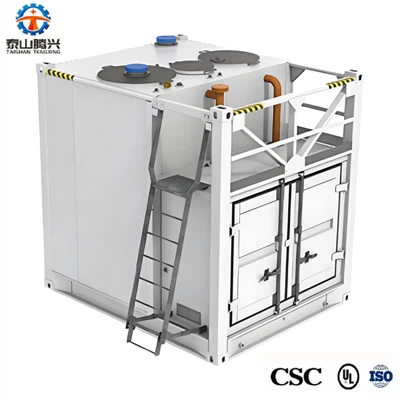
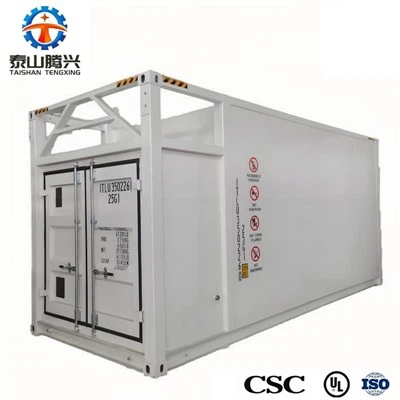
Are you considering using a Portable Diesel Station in public places? Well, you've come to the right place. As a supplier of Portable Diesel Stations, I've had my fair share of conversations with customers about this very topic. In this blog, I'll be diving into the restrictions that you might encounter when using these stations in public spaces.
General Safety Regulations
Before we get into the nitty - gritty of public place restrictions, let's talk about general safety rules. Portable Diesel Stations, like any equipment dealing with fuel, need to adhere to strict safety protocols. Diesel is a combustible fuel, and any mishandling can lead to serious accidents.
Most regions have regulations regarding the storage and handling of diesel fuel. For instance, the fuel tank of a Portable Diesel Station should be properly sealed to prevent leaks. There are also requirements for the construction of the tank, such as it being made of materials that can withstand the corrosive nature of diesel.
In public places, these safety regulations are even more crucial. The risk of an accident not only affects the user of the Portable Diesel Station but also the general public. So, if you're planning to use one in a public area, make sure the station meets all the necessary safety standards. You can check out our Portable Diesel Station which is built with top - notch safety features.
Permits and Licenses
One of the biggest restrictions when using a Portable Diesel Station in public places is the need for permits and licenses. Different local governments have different rules about this. Some areas may require you to obtain a permit specifically for using a fuel - dispensing device in a public space.
This permit process can be a bit of a hassle. You usually need to submit an application that includes details about the Portable Diesel Station, such as its capacity, the safety features it has, and the purpose for which you'll be using it. There may also be fees associated with the permit.
In addition to local permits, there could be state or federal regulations that you need to comply with. For example, in some places, you may need a license to operate a mobile fuel - dispensing unit. Make sure to do your research and get all the necessary paperwork in order before you start using the station in public.


Location Restrictions
Location plays a huge role when it comes to using a Portable Diesel Station in public. There are areas where it's simply not allowed to use these stations. For example, densely populated areas like shopping malls or crowded sidewalks are usually off - limits. The risk of a fuel spill or an explosion is too high, and it could endanger a large number of people.
Emergency evacuation routes are also a no - go zone. Using a Portable Diesel Station in these areas can block the way and cause problems during an emergency. Moreover, places near schools, hospitals, and fire departments are restricted because of the potential safety hazards.
On the other hand, there are some locations where you might be allowed to use a Portable Diesel Station. Industrial areas, construction sites (if they are in a public area), and some remote parking lots could be good options. But even in these locations, you need to follow all the safety and regulatory requirements.
Air Quality and Environmental Regulations
Diesel fuel combustion releases pollutants into the air, such as particulate matter, nitrogen oxides, and sulfur dioxide. Public places are subject to strict air quality regulations, and using a Portable Diesel Station can potentially violate these regulations.
Some areas have limits on the amount of pollutants that can be emitted from a fuel - burning device. If your Portable Diesel Station doesn't meet these emission standards, you won't be allowed to use it in public. To avoid this issue, look for a station that is designed to be more environmentally friendly. Our Portable Diesel Station is engineered to reduce emissions and meet the latest environmental requirements.
There are also regulations regarding fuel spills. In case of a spill, you need to have a plan in place to contain and clean it up quickly. If you don't follow the proper procedures, you could face fines and other penalties.
Noise Regulations
Another aspect to consider when using a Portable Diesel Station in public is noise. Diesel engines can be quite noisy, and there are noise regulations in public places. Excessive noise can disrupt the peace and quiet of the area and may even cause health problems for people nearby.
Some cities have specific noise limits for different times of the day. For example, during the night, the allowable noise level might be lower. If your Portable Diesel Station is too noisy, you may not be able to use it in public during certain hours. When choosing a station, look for one that has noise - reducing features.
Alternative Options: Mobile Filling Station and Portable Gasoline Station
If the restrictions for Portable Diesel Stations in public places seem too daunting, you might want to consider other options. We also offer Mobile Filling Station and Portable Gasoline Station.
These stations have different rules and regulations associated with them. For example, gasoline has different safety and environmental characteristics compared to diesel. Depending on your needs and the local regulations, one of these alternatives might be a better fit for using in public places.
Why Choose Our Portable Diesel Station
Our Portable Diesel Stations are designed with all these restrictions in mind. We understand the importance of compliance and safety. Our stations are built to meet the highest safety standards, with features like leak - proof tanks and advanced fire - prevention systems.
They are also engineered to reduce emissions, which helps you comply with environmental regulations. And when it comes to noise, we've incorporated noise - reducing technologies to make sure your operations are as quiet as possible.
Let's Talk Business
If you're in the market for a Portable Diesel Station or one of our other fuel - related products, I'd love to have a chat with you. Whether you're dealing with small - scale operations or large - scale projects, we have a solution for you. Contact us to start a discussion about your specific needs and how we can help you find the perfect fueling solution.
References
- Local Government Safety and Environmental Regulations
- Diesel Fuel Safety Guidelines and Standards