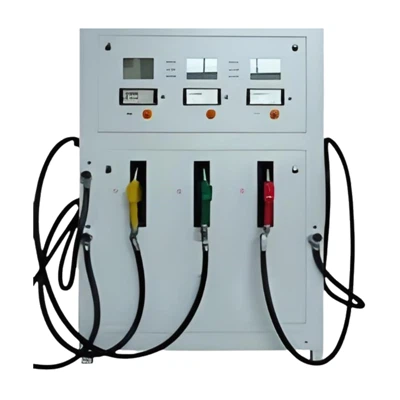
Hey there! As a supplier of above ground fuel tanks, I often get asked about the regulations for having these tanks in residential areas. It's a crucial topic, and understanding the rules is super important for anyone thinking about installing an above ground fuel tank at home. So, let's dive right in and explore what you need to know.
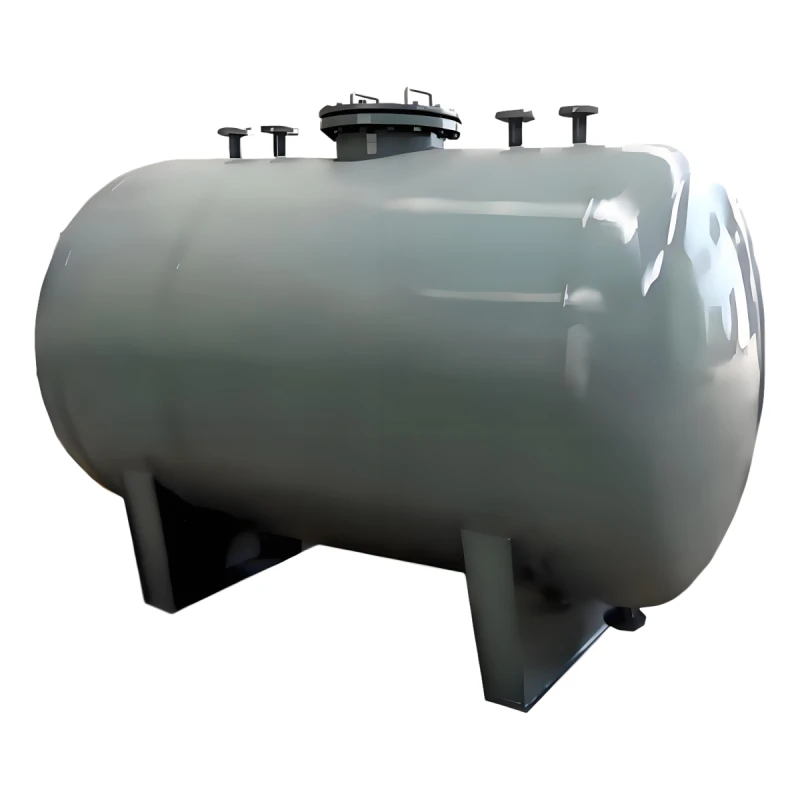

General Safety Regulations
First off, safety is the number one concern when it comes to above ground fuel tanks in residential areas. Most local and national regulations are designed to prevent fires, explosions, and environmental contamination.
One of the key requirements is proper tank placement. Tanks should be located at a safe distance from buildings, property lines, and sources of ignition. For example, in many areas, you need to keep your tank at least 10 feet away from any building. This helps to minimize the risk of a fire spreading if there's an accident with the tank.
Another important safety aspect is the tank's construction. Above ground fuel tanks need to be made of materials that can withstand the pressure and corrosive nature of the fuel. Tanks should be built to meet industry standards, like those set by the American Petroleum Institute (API). These standards ensure that the tank is strong enough to hold the fuel without leaking.
Environmental Regulations
Environmental protection is also a major factor in the regulations for above ground fuel tanks. Fuel spills can contaminate soil and groundwater, which can have serious consequences for the environment and human health.
To prevent spills, tanks need to have a secondary containment system. This is basically a structure around the tank that can hold the entire volume of the tank in case of a leak. For example, a concrete basin or a plastic liner can be used as a secondary containment.
Regular inspections are also required to make sure that the tank and its containment system are in good condition. These inspections can detect any signs of corrosion or damage early on, allowing for repairs to be made before a spill occurs.
Permitting and Documentation
In most residential areas, you need to obtain a permit before installing an above ground fuel tank. The permitting process usually involves submitting plans for the tank installation, including its location, size, and safety features.
You'll also need to provide documentation showing that the tank meets all the relevant regulations. This might include certificates of compliance from the tank manufacturer, as well as inspection reports.
Once the tank is installed, you may need to keep records of its maintenance and inspections. These records can be used to prove that you're complying with the regulations and can also be useful in case of an emergency.
Types of Above Ground Fuel Tanks
There are different types of above ground fuel tanks available, and each type may have its own specific regulations.
Above Ground Diesel Fuel Tank
Diesel fuel is commonly used in residential areas for backup generators and heating systems. Above Ground Diesel Fuel Tank regulations often focus on preventing spills and ensuring proper ventilation. Diesel is less volatile than gasoline, but it still needs to be stored safely.
Above Ground Gasoline Tank
Gasoline is more flammable than diesel, so the regulations for Above Ground Gasoline Tank are usually more strict. These tanks need to be located in well-ventilated areas and have additional safety features to prevent fires and explosions.
Above Ground Gasoline Fuel Tank
Similar to the gasoline tank, Above Ground Gasoline Fuel Tank regulations aim to minimize the risk of fire and environmental damage. The tank should be made of materials that are resistant to gasoline corrosion and should have a proper grounding system to prevent static electricity buildup.
Local Variations
It's important to note that regulations for above ground fuel tanks can vary from one area to another. Some local governments may have stricter rules than the national standards, while others may have more lenient regulations.
Before installing a fuel tank, it's a good idea to check with your local building department or environmental agency to find out what the specific regulations are in your area. They can provide you with the necessary information and help you through the permitting process.
Why Choose Our Above Ground Fuel Tanks
As a supplier of above ground fuel tanks, we understand the importance of complying with all the regulations. Our tanks are designed and built to meet the highest industry standards, ensuring that they are safe and reliable.
We offer a wide range of tanks, including diesel and gasoline tanks, in different sizes and configurations to meet your specific needs. Whether you need a small tank for a backup generator or a larger tank for a heating system, we have the right solution for you.
Our team of experts can also help you with the installation process, making sure that everything is done correctly and in accordance with the regulations. We'll work with you to obtain the necessary permits and provide you with all the documentation you need.
Contact Us for a Purchase and Discussion
If you're thinking about installing an above ground fuel tank in your residential area, don't hesitate to contact us. We're here to answer all your questions and help you find the best tank for your needs. Whether you're concerned about the regulations or just want to learn more about our products, we're happy to assist you. Reach out to us, and let's start a conversation about how we can meet your fuel tank requirements.
References
- American Petroleum Institute (API) Standards
- Local Building and Environmental Regulations