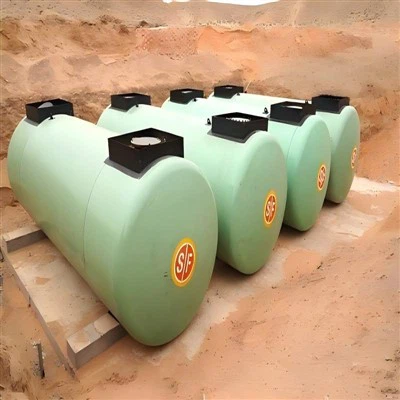
As a supplier of mini filling stations, I've often been asked the question: Do mini filling stations need to have a first - aid kit on site? This is a crucial topic that touches on safety, legal requirements, and the well - being of both employees and customers. In this blog, I'll delve into the reasons why having a first - aid kit at a mini filling station is not just a good idea but an essential necessity.
Safety First: The Importance of First - Aid Kits
First and foremost, safety is the top priority at any filling station, whether it's a large - scale facility or a mini one. Mini filling stations, like Mini Petrol Station and Mini Diesel Station, deal with flammable substances on a daily basis. Accidents can happen in an instant, such as spills, minor burns from static electricity, or even cuts from handling equipment.
A first - aid kit provides immediate treatment for these types of injuries. For example, in the case of a minor burn, quick application of a burn gel from the first - aid kit can prevent the burn from worsening and reduce pain. Similarly, a cut can be cleaned and bandaged promptly, minimizing the risk of infection. By having a first - aid kit readily available, the station can respond to emergencies in a timely manner, potentially preventing more serious health issues.
Legal Requirements
In many regions, there are legal requirements for businesses, including mini filling stations, to have first - aid kits on site. These regulations are in place to ensure the safety of employees and the public. Failure to comply with these laws can result in hefty fines and legal consequences.
For instance, local health and safety regulations may specify the contents of the first - aid kit, the number of kits required based on the size of the station, and the frequency of kit inspections. By adhering to these legal requirements, mini filling stations not only avoid legal trouble but also demonstrate their commitment to providing a safe environment.
Employee and Customer Well - being
Employees at mini filling stations are at risk of various injuries during their work. They handle fuel pumps, clean equipment, and interact with customers, all of which can lead to accidents. Having a first - aid kit on site gives employees peace of mind, knowing that they can receive immediate care in case of an injury.
Customers are also at risk, especially if they are self - serving at the pump. A customer might accidentally spill fuel on themselves, get a minor cut while handling the fuel nozzle, or experience other unforeseen injuries. A first - aid kit allows the station to provide basic care to customers, enhancing their overall experience and safety.
Components of a First - Aid Kit for Mini Filling Stations
A well - stocked first - aid kit for a mini filling station should include the following items:


- Bandages and Dressings: Various sizes of adhesive bandages, gauze pads, and elastic bandages are essential for treating cuts and wounds.
- Antiseptic Wipes: These are used to clean wounds and prevent infection.
- Burn Gel: To treat minor burns caused by static electricity or other sources.
- Scissors and Tweezers: Useful for cutting bandages and removing splinters.
- Disposable Gloves: To protect the person administering first - aid from coming into contact with blood or other bodily fluids.
- Pain Relievers: Such as acetaminophen or ibuprofen, to relieve pain from minor injuries.
- First - Aid Manual: A guide on how to administer basic first - aid procedures.
Maintenance of First - Aid Kits
It's not enough to simply have a first - aid kit on site; it must be properly maintained. Regular inspections should be carried out to ensure that all items are in good condition, not expired, and in sufficient quantities. Any used items should be replaced immediately.
The station manager or a designated employee should be responsible for the maintenance of the first - aid kit. They should also be trained in basic first - aid procedures so that they can effectively use the kit when needed.
Training for First - Aid Administration
In addition to having a well - stocked first - aid kit, employees at mini filling stations should receive training in basic first - aid. This training can be provided by a certified first - aid instructor and should cover topics such as wound care, burn treatment, and CPR.
By having trained employees, the station can respond more effectively to emergencies. They will know how to use the first - aid kit properly and can provide appropriate care until professional medical help arrives.
Cost - Benefit Analysis
Some may argue that having a first - aid kit and providing first - aid training is an additional cost for mini filling stations. However, the benefits far outweigh the costs. The cost of a first - aid kit is relatively low, and the training can be provided at a reasonable price.
On the other hand, the potential costs of not having a first - aid kit can be significant. In the event of an injury, the station may face legal liability, increased insurance premiums, and damage to its reputation. By investing in a first - aid kit and training, mini filling stations can save money in the long run.
Conclusion
In conclusion, mini filling stations definitely need to have a first - aid kit on site. It is a matter of safety, legal compliance, and the well - being of employees and customers. A well - stocked first - aid kit, along with proper maintenance and employee training, can make a significant difference in the event of an emergency.
If you're in the market for a mini filling station or need to restock your first - aid kit, we're here to help. Our company offers high - quality mini filling stations and all the necessary safety equipment, including first - aid kits. Contact us to discuss your specific needs and start a procurement process that ensures the safety and success of your mini filling station.
References
- Health and Safety Executive. (Year). First - Aid at Work Regulations.
- American Red Cross. (Year). First - Aid Manual.