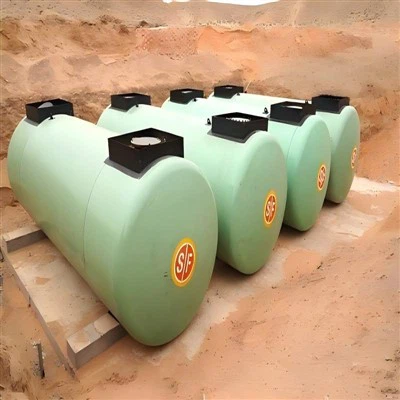
As a supplier for Mini Petrol Stations, I've witnessed firsthand the challenges and strategies involved in ensuring fuel availability. In this blog, I'll share insights into how Mini Petrol Stations maintain a consistent supply of fuel to meet customer needs.
Understanding the Demand
The first step in ensuring fuel availability is understanding the demand patterns. Mini Petrol Stations often serve local communities, which means their demand can be influenced by factors such as local traffic, nearby industries, and residential density. For example, a Mini Petrol Station located near a busy commuter route will experience higher demand during peak traffic hours, while one near an industrial area may see more demand during working hours.
To accurately predict demand, Mini Petrol Stations use historical data and analytics. By analyzing past sales patterns, they can identify trends and seasonal variations. This data-driven approach allows them to adjust their inventory levels accordingly. For instance, if a station notices an increase in fuel sales during the summer months, they can plan ahead and order more fuel to meet the expected demand.
Supplier Relationships
Maintaining strong relationships with fuel suppliers is crucial for Mini Petrol Stations. As a supplier, I understand the importance of reliability and flexibility. We work closely with Mini Petrol Stations to ensure a steady supply of fuel. This involves regular communication to discuss inventory levels, delivery schedules, and any potential issues.
One of the key aspects of our relationship is the ability to adapt to changing circumstances. For example, if there is a sudden increase in demand due to a local event or a disruption in the supply chain, we can work together to find solutions. This may involve expediting deliveries or adjusting the order quantities.
In addition to reliability, we also focus on providing high-quality fuel. We adhere to strict quality control standards to ensure that the fuel we supply meets all regulatory requirements. This not only helps to maintain the performance of the vehicles using the fuel but also builds trust with the Mini Petrol Stations and their customers.
Inventory Management
Effective inventory management is essential for ensuring fuel availability. Mini Petrol Stations need to strike a balance between having enough fuel to meet customer demand and avoiding overstocking, which can lead to increased costs.


To manage their inventory, Mini Petrol Stations use sophisticated inventory management systems. These systems track fuel levels in real-time and provide alerts when the inventory reaches a certain threshold. This allows the station operators to place orders in a timely manner to replenish their stock.
In addition to real-time monitoring, Mini Petrol Stations also conduct regular physical inventory checks. This helps to ensure the accuracy of the inventory records and identify any potential issues, such as leaks or theft.
Backup and Contingency Plans
Despite careful planning and management, unexpected events can still occur that may disrupt the fuel supply. To mitigate the impact of these events, Mini Petrol Stations have backup and contingency plans in place.
One common backup strategy is to maintain a reserve stock of fuel. This reserve can be used in case of a sudden increase in demand or a disruption in the supply chain. The size of the reserve stock will depend on factors such as the station's location, the expected demand, and the lead time for replenishment.
Another important aspect of contingency planning is having alternative suppliers. In case the primary supplier is unable to deliver fuel, the Mini Petrol Station can turn to secondary suppliers to ensure a continuous supply. This requires building relationships with multiple suppliers and having a clear understanding of their capabilities and delivery schedules.
Technology and Innovation
Technology plays a crucial role in ensuring fuel availability at Mini Petrol Stations. From advanced inventory management systems to real-time monitoring devices, technology helps to improve efficiency and reduce the risk of supply disruptions.
One example of technology innovation is the use of mobile fuel delivery services. Some Mini Petrol Stations are now offering mobile fuel delivery to customers, which allows them to refuel their vehicles without having to visit the station. This not only provides convenience for the customers but also helps to ensure fuel availability in areas where traditional stations may not be easily accessible.
Another area where technology is making a difference is in the monitoring of fuel quality. Advanced sensors and analytics tools can detect impurities and contaminants in the fuel, allowing Mini Petrol Stations to take corrective action before it affects the performance of the vehicles.
Conclusion
Ensuring fuel availability at Mini Petrol Stations is a complex process that requires careful planning, strong supplier relationships, effective inventory management, and backup and contingency plans. By understanding the demand patterns, maintaining strong relationships with suppliers, and leveraging technology and innovation, Mini Petrol Stations can provide a reliable and consistent supply of fuel to their customers.
If you're interested in learning more about our Mini Petrol Station solutions or would like to discuss a potential partnership, please feel free to reach out. We're committed to providing high-quality fuel and exceptional service to our customers.
For more information about Mini Diesel Stations, visit Mini Diesel Station. And for more details on Mini Petrol Stations, check out Mini Petrol Station.
References
- [List of relevant industry reports or studies]
- [Any other sources used in the research for this blog]