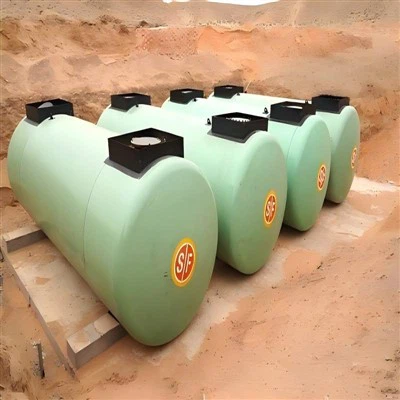
Hey there! As a fuel tank supplier, I've heard my fair share of concerns from customers about their fuel tanks making noise. It can be a real head - scratcher, but don't worry, I'm here to break down the possible causes.
1. Sloshing of Fuel
One of the most common reasons for a fuel tank to make noise is the sloshing of fuel inside. When you're driving, especially around corners, over bumps, or during sudden stops and starts, the fuel in the tank moves around. The fuel sloshing against the walls of the tank creates a sloshing sound.
This is more noticeable in larger fuel tanks or when the tank is only partially full. The larger the empty space in the tank, the more room the fuel has to move around. For example, if you have an Above Ground Gasoline Tank and it's only a quarter full, you're more likely to hear that sloshing noise as you drive.
2. Vaporization and Condensation
Fuel tanks are designed to handle the vaporization and condensation of fuel. When the temperature changes, fuel can turn into vapor, and then as it cools, it condenses back into a liquid. This process can create a popping or crackling sound.
During hot days, the fuel in the tank heats up and expands, causing some of it to vaporize. As the temperature drops at night, the vapor condenses. This cycle of expansion and contraction can cause the tank walls to make noise. If you have an Underground Diesel Tank, the temperature changes might be less extreme, but the same process can still occur.
3. Sediment and Debris
Over time, sediment and debris can accumulate at the bottom of the fuel tank. When the fuel pump is working, it can stir up this sediment, causing it to rub against the tank walls or the pump itself. This can result in a rattling or grinding noise.
This is more of an issue in older fuel tanks or in areas where the fuel quality is not great. If you suspect sediment is the problem, it's a good idea to have the tank inspected and cleaned.
4. Faulty Fuel Pump
The fuel pump is responsible for delivering fuel from the tank to the engine. If the fuel pump is faulty, it can make all sorts of strange noises. A failing fuel pump might make a whining, buzzing, or humming sound.
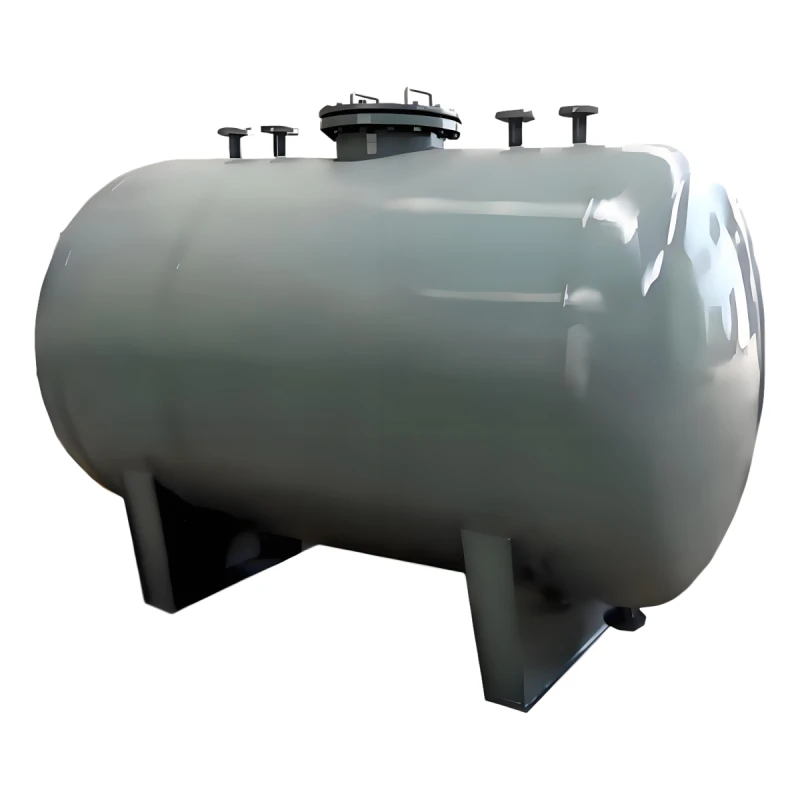

This could be due to a worn - out motor, a clogged filter, or a problem with the electrical connections. If you hear a persistent noise coming from the fuel tank area and suspect it's the fuel pump, it's important to have it checked out as soon as possible.
5. Structural Issues
Sometimes, the noise could be coming from a structural problem with the fuel tank itself. If the tank is damaged, for example, if it has a dent or a crack, it can cause vibrations and make noise.
Also, if the tank is not properly secured, it can move around and create rattling sounds. This is especially true for Fuel Storage Tank that are installed in vehicles or industrial settings.
6. Air Leaks
Air leaks in the fuel tank can also cause noise. When air enters the tank, it can create a hissing or whistling sound. This could be due to a loose cap, a damaged seal, or a hole in the tank.
An air leak not only makes noise but can also affect the performance of the fuel system. It can cause the engine to run poorly or even lead to fuel evaporation, which is not only a waste but can also be a safety hazard.
7. Expansion and Contraction of the Tank Material
The material of the fuel tank expands and contracts with temperature changes. Different materials have different coefficients of expansion. For example, if you have a plastic fuel tank, it might expand more than a metal tank in hot weather.
This expansion and contraction can cause the tank to make creaking or popping sounds. It's a normal process, but if the noise is excessive, it could indicate a problem with the tank material or its installation.
8. Worn - Out Suspension or Mounting
In vehicles, the fuel tank is often mounted on a suspension system. If the suspension or mounting components are worn out, the tank can move around more than it should. This movement can cause the tank to rub against other parts of the vehicle, creating noise.
This is more likely to happen in older vehicles or those that have been driven on rough roads for a long time.
How to Address the Noise
If you're experiencing noise from your fuel tank, the first step is to try and identify the cause. If it's just the sloshing of fuel, you can try filling the tank up more to reduce the empty space.
For issues like sediment, it's best to have the tank cleaned by a professional. If you suspect a faulty fuel pump, have it replaced. And for structural issues or air leaks, it's important to get the tank repaired as soon as possible.
As a fuel tank supplier, we offer a wide range of high - quality fuel tanks, including Fuel Storage Tank, Underground Diesel Tank, and Above Ground Gasoline Tank. Our tanks are designed to minimize noise and ensure reliable performance.
If you're in the market for a new fuel tank or need advice on dealing with a noisy tank, don't hesitate to reach out. We're here to help you find the right solution for your needs.
References
- Automotive Service Excellence (ASE) manuals on fuel system diagnosis.
- Manufacturer's guidelines for fuel tank maintenance and troubleshooting.