Hey there, fellow go - kart enthusiasts! I'm a supplier of fuel tanks, and today I'm gonna take you on a deep dive into how a fuel tank in a go - kart works. It might seem like a simple part, but there's a lot more to it than meets the eye.
The Basics of a Go - Kart Fuel Tank
First off, let's talk about what a fuel tank is and what it does. In a go - kart, the fuel tank is like the heart of the machine. It's where the fuel is stored before it gets sent to the engine to power the kart. It's usually made of materials like plastic or metal, and its size can vary depending on the type of go - kart.
The main job of the fuel tank is to hold the fuel securely. It has to be able to withstand the vibrations and movements of the go - kart while driving. You don't want any fuel leaks, as that can be not only dangerous but also a waste of fuel.
How Fuel Gets from the Tank to the Engine
Now, let's get into the nitty - gritty of how the fuel travels from the tank to the engine. There are a few key components involved in this process.
The fuel line is one of the most important parts. It's a tube that connects the fuel tank to the carburetor or fuel injection system in the engine. The fuel line has to be strong and flexible enough to handle the fuel flow and the movement of the go - kart.
There's also a fuel pump, which is responsible for pushing the fuel from the tank through the fuel line and into the engine. In some go - karts, the fuel pump is mechanical, meaning it's driven by the engine itself. In others, it can be an electric pump.
The fuel filter is another crucial part. It's located somewhere along the fuel line, and its job is to remove any dirt, debris, or impurities from the fuel before it reaches the engine. A clean fuel filter helps the engine run smoothly and prevents damage to the engine components.
The Role of Ventilation
Ventilation is a very important aspect of a go - kart fuel tank. You see, as the fuel is used up in the tank, the air pressure inside the tank changes. If there's no proper ventilation, the pressure difference can cause problems.
A ventilation system allows air to enter and exit the fuel tank. This helps to maintain a stable pressure inside the tank, which in turn ensures that the fuel can flow smoothly from the tank to the engine. Without proper ventilation, you might experience issues like fuel starvation, where the engine doesn't get enough fuel because of the pressure difference in the tank.
Safety Features
Safety is always a top priority when it comes to go - karts, and the fuel tank is no exception. There are several safety features built into a fuel tank to prevent accidents.
One of these features is the fuel cap. A good fuel cap should be tightly sealed to prevent fuel from leaking out. It also helps to keep dirt and debris from getting into the tank.
Some fuel tanks also have a roll - over valve. This valve is designed to prevent fuel from spilling out if the go - kart flips over. It closes automatically when the kart is in an abnormal position, which is a great safety measure.
Different Types of Fuel Tanks
There are different types of fuel tanks available for go - karts, and each has its own advantages and disadvantages.
Plastic fuel tanks are lightweight and relatively inexpensive. They're also resistant to corrosion, which is a big plus. However, they might not be as durable as metal tanks and can be more prone to damage from impacts.
Metal fuel tanks, on the other hand, are more durable and can withstand more abuse. They're often used in high - performance go - karts. But they're heavier than plastic tanks, which can affect the kart's performance.
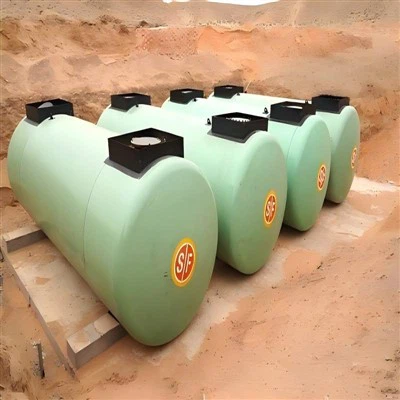
If you're interested in other types of fuel tanks, like Underground Diesel Tank, Self Bunded Petrol Tank, or Underground Petrol Tank, we've got you covered. These types of tanks are used in different settings and have their own unique features.


Maintenance of the Fuel Tank
Proper maintenance of the fuel tank is essential to keep your go - kart running smoothly. Here are some tips:
- Regular Inspection: Check the fuel tank for any signs of damage, such as cracks or leaks. If you notice any issues, it's important to address them right away.
- Clean the Fuel Tank: Over time, dirt and debris can accumulate in the fuel tank. You can use a fuel tank cleaner to remove these impurities. Make sure to follow the instructions on the cleaner carefully.
- Replace the Fuel Filter: As mentioned earlier, the fuel filter plays a crucial role in keeping the fuel clean. Replace the fuel filter at regular intervals to ensure optimal performance.
Why Choose Our Fuel Tanks
As a fuel tank supplier, we take pride in offering high - quality fuel tanks for go - karts. Our tanks are designed with safety and performance in mind. We use the best materials and the latest manufacturing techniques to ensure that our tanks are reliable and long - lasting.
Whether you're a professional go - kart racer or just someone who enjoys a casual spin around the track, our fuel tanks can meet your needs. We offer a wide range of sizes and types to choose from, so you can find the perfect fuel tank for your go - kart.
If you're interested in purchasing a fuel tank for your go - kart or have any questions about our products, don't hesitate to get in touch. We're here to help you make the right choice and ensure that your go - kart runs at its best.
Conclusion
So, there you have it! That's how a fuel tank in a go - kart works. It's a vital part of the go - kart, and understanding how it functions can help you keep your kart in top shape. Whether you're a beginner or an experienced go - kart enthusiast, knowing about the fuel tank can make your driving experience more enjoyable and safer.
If you're in the market for a fuel tank, we'd love to have a chat with you. Let's talk about your specific needs and find the perfect fuel tank for your go - kart.
References
- "Go - Kart Technology Handbook" by John Doe
- "The Complete Guide to Go - Kart Maintenance" by Jane Smith