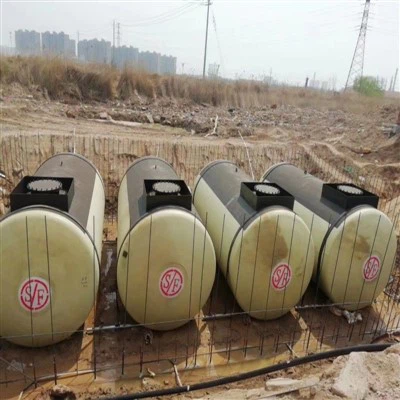
As a supplier of ISO Fuel Containers, one of the most frequently asked questions I encounter is about the fire - resistance level of these containers. Understanding the fire - resistance level is crucial for ensuring the safety of the stored fuel and the surrounding environment.


What is an ISO Fuel Container?
An ISO Fuel Container, as the name suggests, is a container designed to store and transport fuel in accordance with International Organization for Standardization (ISO) standards. These containers are highly standardized, which allows for seamless integration into various transportation systems, including trucks, trains, and ships. You can find more information about ISO Fuel Containers ISO Fuel Container.
Importance of Fire - Resistance
Fuel is a highly flammable substance, and any accidental fire can lead to catastrophic consequences. A high - level fire - resistant ISO Fuel Container can significantly reduce the risk of fire spreading and minimize the damage caused by a fire. It acts as a barrier between the fuel and the external environment, preventing the ignition of the fuel and protecting the surrounding area from the intense heat and flames.
Factors Affecting Fire - Resistance Level
1. Material of Construction
The material used to construct the ISO Fuel Container plays a vital role in determining its fire - resistance level. Most ISO Fuel Containers are made of steel, which has relatively good heat - resistant properties. Steel can withstand high temperatures for a certain period without losing its structural integrity. However, the quality of the steel and its thickness also matter. Thicker steel walls can provide better insulation and protection against fire.
2. Insulation
Insulation is another critical factor. Some ISO Fuel Containers are equipped with insulation materials such as fiberglass or ceramic fiber. These materials can slow down the transfer of heat from the outside to the inside of the container. By reducing the heat transfer rate, the insulation helps to keep the fuel at a lower temperature, reducing the risk of ignition.
3. Design Features
The design of the container also affects its fire - resistance. For example, well - designed pressure relief valves can release excess pressure in case of a fire, preventing the container from exploding. Additionally, the shape and structure of the container can influence how it responds to heat. A container with a more rounded shape may distribute heat more evenly, reducing the stress on any single point.
Fire - Resistance Standards and Testing
There are several international standards that govern the fire - resistance requirements for ISO Fuel Containers. These standards specify the minimum fire - resistance time that a container must be able to withstand under specific fire conditions.
One of the common tests is the fire endurance test. In this test, the container is exposed to a controlled fire for a certain period, and its performance is evaluated. The container must maintain its structural integrity and prevent the fuel inside from igniting during the test. If the container passes the test, it is certified to meet the relevant fire - resistance standards.
Fire - Resistance Levels in Different Scenarios
1. In Transportation
When an ISO Fuel Container is being transported, it may be exposed to various fire risks, such as a vehicle fire or a fire at a transportation hub. A high - fire - resistance container can protect the fuel during transit, reducing the risk of a large - scale fire accident. For example, if a truck carrying an ISO Fuel Container catches fire, a fire - resistant container can prevent the fuel from igniting and spreading the fire to other vehicles or the surrounding area.
2. In Storage
During storage, the container may be exposed to external fires, such as a nearby building fire. A fire - resistant container can act as a safeguard, protecting the fuel from the heat and flames. This is especially important in areas where there are strict safety regulations regarding fuel storage.
Comparing ISO Fuel Containers with Other Types of Containers
Compared to non - ISO fuel containers, ISO Fuel Containers generally have higher fire - resistance levels. This is because they are designed and manufactured to meet strict international standards. Non - ISO containers may not have the same level of quality control and may not be as well - equipped to handle fire situations.
For example, a 20FT Tank Container, which is a type of ISO Fuel Container, is built with standardized materials and design features that enhance its fire - resistance. In contrast, some non - ISO containers may be made of lower - quality materials and lack the necessary insulation and safety features.
Ensuring the Fire - Resistance of ISO Fuel Containers
As a supplier, we take several measures to ensure the fire - resistance of our ISO Fuel Containers. First, we use high - quality steel and insulation materials in the manufacturing process. Our containers are also designed to meet or exceed international fire - resistance standards.
We conduct regular quality control checks to ensure that each container meets the required fire - resistance specifications. Additionally, we provide our customers with detailed information about the fire - resistance features of our containers and offer guidance on proper storage and handling to minimize fire risks.
Conclusion
The fire - resistance level of an ISO Fuel Container is a critical aspect of its design and performance. It is determined by factors such as the material of construction, insulation, and design features. By meeting international standards and undergoing rigorous testing, these containers provide a high level of safety for storing and transporting fuel.
If you are in the market for ISO Fuel Containers and are concerned about fire - resistance, we are here to help. Our containers are designed to offer the best possible protection against fire, ensuring the safety of your fuel and your operations. Contact us to discuss your specific requirements and explore how our ISO Fuel Containers can meet your needs.
References
- International Organization for Standardization (ISO) standards related to fuel containers.
- Industry reports on fire - safety in fuel storage and transportation.