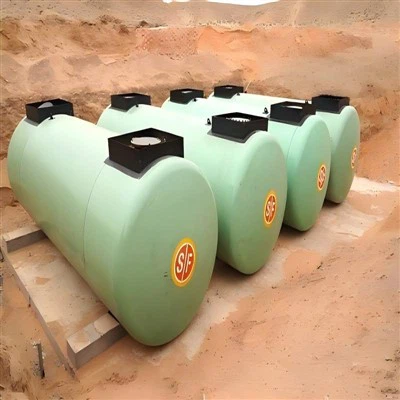
In the dynamic landscape of fuel supply, mobile filling stations have emerged as a revolutionary solution, offering flexibility and convenience in fuel delivery. As a supplier of Mobile Filling Station, I have witnessed firsthand the intricate processes involved in handling fuel additives. This blog post aims to delve into the science and practicalities of how a mobile filling station manages fuel additives to ensure optimal fuel performance and customer satisfaction.
Understanding Fuel Additives
Fuel additives are substances added to fuels to enhance their performance, improve combustion efficiency, reduce emissions, and protect the engine. They can be classified into several categories, including detergents, antioxidants, corrosion inhibitors, and octane boosters. Each type of additive serves a specific purpose and contributes to the overall quality of the fuel.
Detergents are used to clean the fuel system, preventing the formation of deposits on fuel injectors, intake valves, and combustion chambers. This helps to maintain engine performance and fuel efficiency. Antioxidants prevent the oxidation of fuel, which can lead to the formation of gums and varnishes that can clog the fuel system. Corrosion inhibitors protect the fuel system from rust and corrosion, extending the lifespan of the engine. Octane boosters increase the octane rating of the fuel, which improves engine performance and reduces knocking.
Handling Fuel Additives in a Mobile Filling Station
The process of handling fuel additives in a mobile filling station involves several steps, from storage and mixing to dispensing. Here is a detailed overview of each step:
Storage
Fuel additives are typically stored in separate containers at the mobile filling station. These containers are designed to prevent contamination and ensure the stability of the additives. The additives are stored in a cool, dry place away from direct sunlight and heat sources to prevent degradation.
Mixing
Before dispensing the fuel, the additives are mixed with the fuel in a precise ratio. This is done using a mixing system that ensures accurate and consistent blending. The mixing system can be either manual or automated, depending on the size and complexity of the mobile filling station.
Manual mixing involves adding the additives to the fuel tank and stirring the mixture manually. This method is suitable for small-scale operations or when a small amount of fuel needs to be mixed. Automated mixing systems, on the other hand, use pumps and meters to accurately measure and mix the additives with the fuel. This method is more efficient and accurate, especially for large-scale operations.


Dispensing
Once the fuel and additives are mixed, the fuel is dispensed into the customer's vehicle. The dispensing process is carefully monitored to ensure that the correct amount of fuel and additives is delivered. The mobile filling station is equipped with a flow meter and a nozzle that controls the flow of fuel. The nozzle is designed to prevent spills and ensure accurate dispensing.
Quality Control
To ensure the quality and performance of the fuel, a mobile filling station must implement a comprehensive quality control program. This program includes regular testing of the fuel and additives to ensure that they meet the required standards. The testing can be done in-house or by an independent laboratory.
The quality control program also includes monitoring the storage and handling of the fuel and additives to prevent contamination. The mobile filling station must maintain a clean and organized environment to ensure the integrity of the fuel and additives.
Benefits of Using Fuel Additives in a Mobile Filling Station
Using fuel additives in a mobile filling station offers several benefits, including:
Improved Fuel Performance
Fuel additives can improve the performance of the fuel by enhancing combustion efficiency, reducing emissions, and protecting the engine. This can lead to better fuel economy, increased power, and reduced maintenance costs.
Enhanced Customer Satisfaction
By offering fuel with additives, a mobile filling station can provide customers with a higher-quality product that meets their needs. This can lead to increased customer satisfaction and loyalty.
Compliance with Regulations
Many countries and regions have regulations regarding the use of fuel additives to reduce emissions and improve air quality. By using fuel additives, a mobile filling station can ensure compliance with these regulations.
Challenges and Solutions
While handling fuel additives in a mobile filling station offers many benefits, it also presents some challenges. Here are some of the challenges and solutions:
Contamination
Contamination of the fuel and additives can occur during storage, mixing, and dispensing. To prevent contamination, the mobile filling station must implement strict hygiene and safety procedures. This includes regular cleaning of the storage containers, mixing equipment, and dispensing nozzles.
Compatibility
Not all fuel additives are compatible with each other or with the fuel. Before using a new additive, the mobile filling station must conduct compatibility tests to ensure that the additive does not cause any adverse effects on the fuel or the engine.
Cost
Fuel additives can be expensive, especially if they are used in large quantities. To reduce the cost of using fuel additives, the mobile filling station can negotiate with suppliers for better prices or use additives that are more cost-effective.
Conclusion
In conclusion, handling fuel additives in a mobile filling station is a complex process that requires careful planning, storage, mixing, and dispensing. By implementing a comprehensive quality control program and following strict hygiene and safety procedures, a mobile filling station can ensure the quality and performance of the fuel and additives. Using fuel additives offers many benefits, including improved fuel performance, enhanced customer satisfaction, and compliance with regulations. However, it also presents some challenges, such as contamination, compatibility, and cost. By addressing these challenges, a mobile filling station can provide customers with a high-quality product that meets their needs.
If you are interested in learning more about our Mobile Filling Station or Portable Petrol Station solutions, or if you have any questions about fuel additives, please feel free to contact us. We look forward to discussing your requirements and providing you with the best possible solutions.
References
- ASTM International. (2023). Standard Specification for Automotive Spark-Ignition Engine Fuel. ASTM D4814.
- Society of Automotive Engineers (SAE). (2023). Fuel Additives: An Overview. SAE Technical Paper Series.
- Environmental Protection Agency (EPA). (2023). Fuel Additives and Emissions Reduction. EPA Publication.