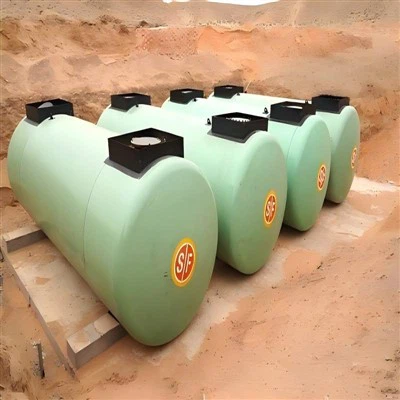
As a supplier of self-bunded fuel tanks, I've witnessed firsthand the diverse factors that can influence the lifespan of these essential storage solutions. Self-bunded fuel tanks are designed to store various fuels, such as diesel and petrol, in a safe and environmentally friendly manner. Their longevity is crucial for ensuring continuous and reliable fuel storage, which is why understanding the factors that affect their lifespan is of utmost importance.
Material Quality
The quality of materials used in the construction of self-bunded fuel tanks is a fundamental factor in determining their lifespan. High-quality materials are more resistant to corrosion, wear, and tear, which are common causes of tank degradation. For instance, tanks made from high-grade steel or fiberglass are generally more durable than those made from lower-quality materials.
Steel tanks, when properly coated and maintained, can offer excellent protection against corrosion. The coating acts as a barrier between the steel and the fuel, preventing rust and other forms of corrosion from developing. Fiberglass tanks, on the other hand, are inherently resistant to corrosion and are lightweight, making them a popular choice for many applications.
Installation
Proper installation is another critical factor that affects the lifespan of self-bunded fuel tanks. A poorly installed tank can lead to structural issues, leaks, and other problems that can significantly reduce its lifespan. When installing a self-bunded fuel tank, it is essential to ensure that it is placed on a level and stable surface. The tank should also be properly secured to prevent movement and damage.
In addition, the installation process should comply with all relevant safety and environmental regulations. This includes ensuring that the tank is installed at the correct distance from buildings, water sources, and other potential hazards. Proper installation also involves connecting the tank to the appropriate fuel delivery and monitoring systems, which can help detect and prevent leaks and other issues.
Maintenance
Regular maintenance is essential for extending the lifespan of self-bunded fuel tanks. This includes inspecting the tank for signs of damage, corrosion, and leaks on a regular basis. Any issues should be addressed promptly to prevent further damage.
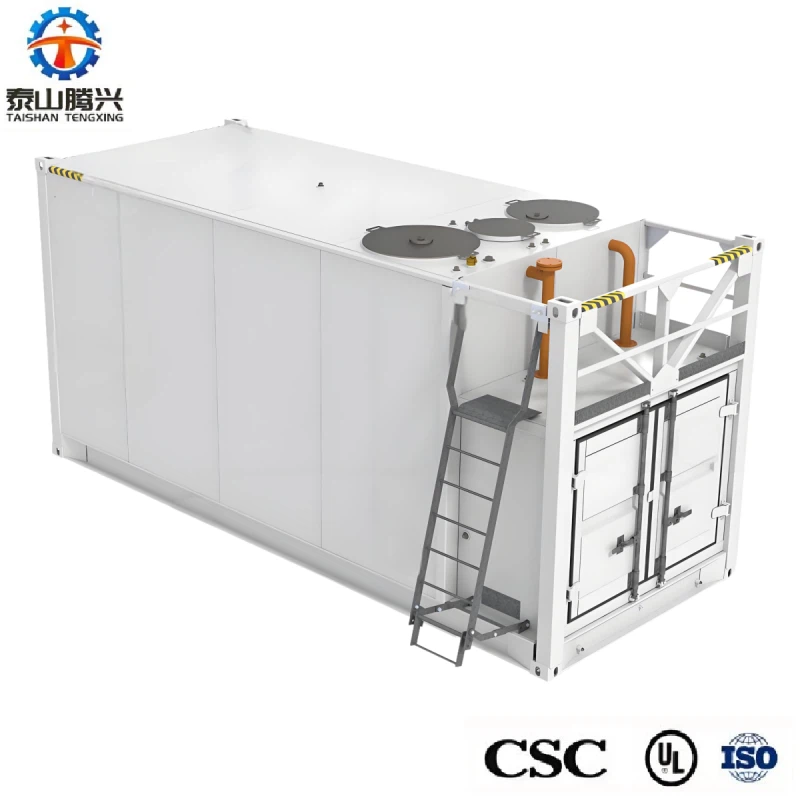
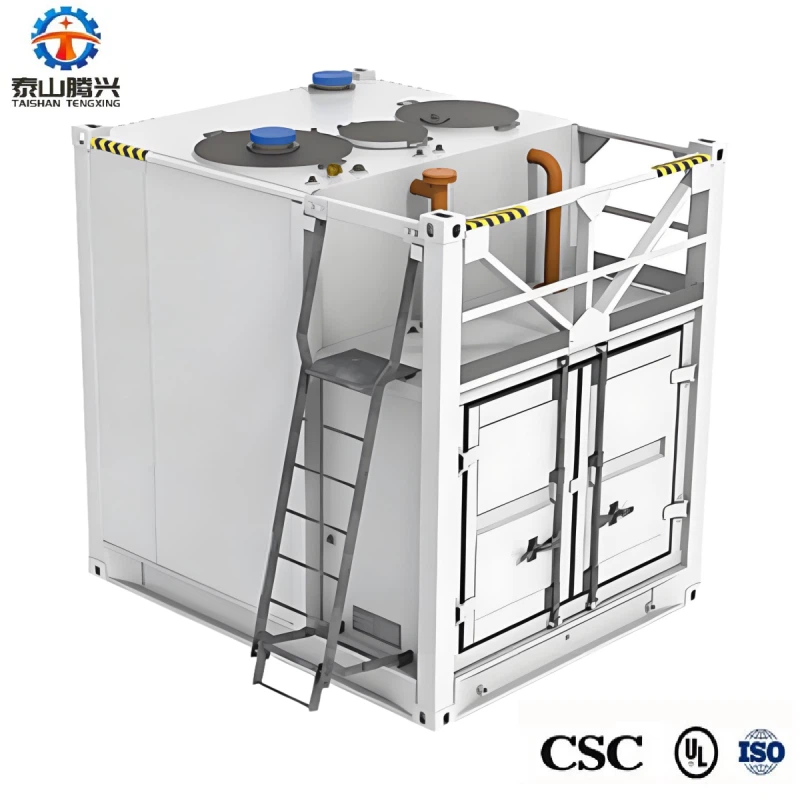
Maintenance also involves cleaning the tank and its components to remove any dirt, debris, or contaminants that may accumulate over time. This can help prevent the growth of bacteria and other microorganisms, which can cause fuel degradation and other problems.
In addition, it is important to test the tank's integrity periodically to ensure that it is still in good condition. This can involve conducting pressure tests, leak detection tests, and other inspections to identify any potential issues.
Environmental Conditions
The environmental conditions in which a self-bunded fuel tank is located can also have a significant impact on its lifespan. Exposure to extreme temperatures, humidity, and other environmental factors can cause the tank to degrade more quickly.
For example, tanks located in areas with high levels of humidity are more likely to experience corrosion. Similarly, tanks exposed to extreme temperatures, either hot or cold, can experience thermal expansion and contraction, which can lead to structural damage.
To mitigate the effects of environmental conditions, it is important to choose a tank that is designed to withstand the specific conditions in which it will be located. This may involve selecting a tank with a special coating or insulation to protect it from the elements.
Fuel Type
The type of fuel stored in a self-bunded fuel tank can also affect its lifespan. Different fuels have different chemical properties, which can interact with the tank's materials in different ways.
For example, diesel fuel contains sulfur, which can cause corrosion in steel tanks if not properly treated. Petrol, on the other hand, is more volatile and can cause damage to the tank's seals and gaskets if not stored properly.
To ensure the longevity of the tank, it is important to choose a tank that is compatible with the type of fuel it will be storing. This may involve selecting a tank with a special lining or coating to prevent corrosion and other damage.
Usage Patterns
The usage patterns of a self-bunded fuel tank can also have an impact on its lifespan. Tanks that are used frequently or are subjected to high levels of stress are more likely to experience wear and tear.
For example, tanks that are used for high-volume fuel storage or are located in areas with heavy traffic may experience more stress and wear than tanks that are used less frequently. Similarly, tanks that are used for storing fuel that is prone to degradation, such as biodiesel, may require more frequent maintenance and replacement.
To extend the lifespan of the tank, it is important to use it in a way that minimizes stress and wear. This may involve reducing the frequency of use, avoiding overfilling the tank, and using the tank in accordance with the manufacturer's recommendations.
Monitoring and Control Systems
The presence of monitoring and control systems can also affect the lifespan of self-bunded fuel tanks. These systems can help detect and prevent leaks, monitor fuel levels, and ensure that the tank is operating safely and efficiently.
For example, a tank equipped with a leak detection system can alert the operator if a leak is detected, allowing them to take immediate action to prevent further damage. Similarly, a tank with a fuel level monitoring system can help ensure that the tank is not overfilled, which can cause damage to the tank and its components.
To maximize the lifespan of the tank, it is important to invest in high-quality monitoring and control systems and to ensure that they are properly maintained and calibrated.
Conclusion
In conclusion, the lifespan of a self-bunded fuel tank is influenced by a variety of factors, including material quality, installation, maintenance, environmental conditions, fuel type, usage patterns, and monitoring and control systems. By understanding these factors and taking appropriate measures to address them, it is possible to extend the lifespan of the tank and ensure its safe and reliable operation.
If you are in the market for a self-bunded fuel tank, we invite you to explore our range of Self Bunded Diesel Tank, Self Bunded Petrol Tank, and Self Bunded Diesel Fuel Tank. Our tanks are made from high-quality materials, are installed by experienced professionals, and are backed by our commitment to quality and customer service.
If you have any questions or would like to discuss your specific requirements, please do not hesitate to contact us. We look forward to working with you to provide the best self-bunded fuel tank solution for your needs.
References
- American Petroleum Institute. (2019). API Standard 653: Tank Inspection, Repair, Alteration, and Reconstruction.
- International Organization for Standardization. (2018). ISO 9001:2015 Quality management systems - Requirements.
- National Fire Protection Association. (2020). NFPA 30: Flammable and Combustible Liquids Code.