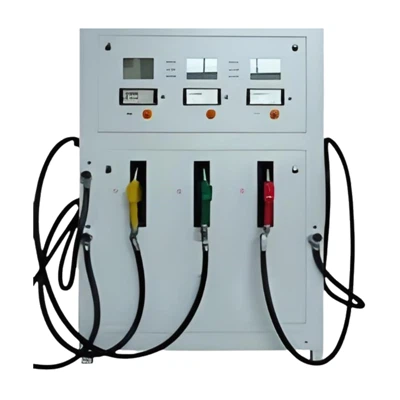
Fuel contamination is a critical issue in the operation of portable fuel stations. As a leading supplier of Portable Petrol Station, Mobile Diesel Station, and Portable Diesel Station, we understand the importance of effectively handling fuel contamination to ensure the quality and safety of the fuel we provide. In this blog, we will delve into the various aspects of how our portable fuel stations tackle this problem.
Understanding Fuel Contamination
Fuel contamination can occur at various stages, from production and storage to transportation and dispensing. There are several common types of contaminants that can affect fuel quality.
Water Contamination
Water is one of the most prevalent contaminants in fuel. It can enter the fuel system through condensation in storage tanks, leaks in the fueling infrastructure, or during the transportation process. Water in fuel can lead to a range of problems, including corrosion of fuel system components, microbial growth, and reduced fuel efficiency. Microbes such as bacteria and fungi thrive in the presence of water, and their growth can cause blockages in fuel filters and injectors, leading to engine performance issues.
Particulate Matter
Particulate matter, such as dirt, dust, rust, and debris, can also contaminate fuel. These particles can enter the fuel during storage, transportation, or when the fuel is being transferred from one container to another. Particulate matter can cause abrasion of fuel system components, clog fuel filters, and lead to premature wear of engines.
Chemical Contaminants
Chemical contaminants can include additives that are not compatible with the fuel, or substances that are accidentally introduced into the fuel. For example, if a fuel tank is not properly cleaned before being filled with a different type of fuel, residues from the previous fuel can contaminate the new fuel. Chemical contaminants can alter the chemical properties of the fuel, affecting its combustion characteristics and potentially causing damage to engines.
Prevention of Fuel Contamination in Portable Fuel Stations
Our portable fuel stations are designed with a range of features to prevent fuel contamination from occurring in the first place.
High - Quality Storage Tanks
We use high - quality storage tanks made from materials that are resistant to corrosion and leakage. These tanks are designed to be airtight and watertight, minimizing the risk of water and particulate matter entering the fuel. The tanks are also equipped with proper ventilation systems to prevent the build - up of pressure and to reduce the risk of condensation.


Filtration Systems
Our portable fuel stations are equipped with advanced filtration systems. These filters are designed to remove particulate matter and water from the fuel before it is dispensed. The filters have a high efficiency rating, ensuring that even the smallest particles are captured. Some of our filters are also designed with water - separating capabilities, which can effectively remove water from the fuel.
Proper Sealing and Gaskets
All connections and openings in our portable fuel stations are sealed with high - quality gaskets to prevent the entry of water and particulate matter. This includes the fuel filler caps, pump connections, and valve seals. Regular maintenance and inspection of these seals are carried out to ensure their integrity.
Hygienic Fueling Procedures
We provide our customers with guidelines on proper fueling procedures to prevent contamination. This includes ensuring that the fueling equipment is clean before use, and that the fuel is transferred in a clean and controlled environment. Our portable fuel stations are also designed to minimize the risk of spillage during fueling, which can lead to contamination of the surrounding area and the fuel itself.
Detection of Fuel Contamination
Despite our best efforts to prevent fuel contamination, it is still possible for contaminants to enter the fuel. Therefore, our portable fuel stations are equipped with detection mechanisms to identify fuel contamination at an early stage.
Visual Inspection
Regular visual inspections of the fuel are carried out. This involves checking the color, clarity, and presence of any visible particles or water in the fuel. Changes in the color of the fuel, such as a darker or cloudy appearance, can indicate the presence of contaminants.
Sensor Technology
We use advanced sensor technology in our portable fuel stations to detect the presence of water and particulate matter in the fuel. These sensors can continuously monitor the fuel quality and provide real - time data on the level of contamination. If the contamination levels exceed a certain threshold, an alarm is triggered, alerting the operator to take appropriate action.
Laboratory Testing
In some cases, when there is a suspicion of severe contamination, we recommend that samples of the fuel be sent to a laboratory for detailed analysis. Laboratory testing can identify the specific types and levels of contaminants in the fuel, allowing for more targeted remediation measures.
Remediation of Fuel Contamination
If fuel contamination is detected in our portable fuel stations, we have a range of remediation measures in place.
Filter Replacement
If the contamination is due to particulate matter, the first step is often to replace the fuel filters. Our portable fuel stations are designed to make filter replacement quick and easy. By replacing the filters, we can remove the majority of the particulate matter from the fuel.
Water Separation and Removal
For water contamination, our portable fuel stations are equipped with water separation systems. These systems use various techniques, such as coalescence, to separate the water from the fuel. Once the water is separated, it can be drained from the system. In some cases, if the water contamination is severe, the fuel may need to be transferred to a separate container for further treatment.
Fuel Treatment
If there is microbial growth in the fuel, we use fuel additives that are specifically designed to kill bacteria and fungi. These additives can be added to the fuel in the storage tank, and they work by disrupting the cell membranes of the microbes, preventing their growth and reproduction.
Flushing and Cleaning
In cases where the fuel system has been severely contaminated, we may recommend flushing and cleaning the entire fueling infrastructure. This involves draining the contaminated fuel, cleaning the storage tank, filters, and all fuel lines with appropriate cleaning agents, and then refilling the system with clean fuel.
Importance of Handling Fuel Contamination for Our Customers
Proper handling of fuel contamination is of utmost importance for our customers. For businesses that rely on portable fuel stations to power their equipment, such as construction companies, mining operations, and agricultural enterprises, fuel contamination can lead to significant downtime and increased maintenance costs. Engine failures due to contaminated fuel can halt operations, resulting in lost productivity and revenue.
By providing high - quality portable fuel stations that are designed to prevent, detect, and remediate fuel contamination, we help our customers ensure the reliable operation of their equipment. Our customers can have peace of mind knowing that the fuel they are using is of high quality and free from contaminants, which in turn leads to better engine performance, longer equipment lifespan, and reduced maintenance costs.
Conclusion
Fuel contamination is a complex issue that requires a comprehensive approach to handle effectively. Our portable fuel stations are designed with a focus on preventing contamination, detecting it early, and providing effective remediation measures. We are committed to providing our customers with the highest quality fueling solutions that ensure the safety and efficiency of their operations.
If you are interested in learning more about our Portable Petrol Station, Mobile Diesel Station, or Portable Diesel Station, or if you have any questions regarding fuel contamination and its handling, we invite you to contact us for a detailed discussion. We look forward to the opportunity to serve you and meet your fueling needs.
References
- "Fuel Contamination: Causes, Effects, and Solutions" - Journal of Fuel Science and Technology
- "Best Practices for Fuel Storage and Management" - National Institute of Standards and Technology
- "The Impact of Water in Fuel on Engine Performance" - Society of Automotive Engineers