How long does an underground fuel tank last?
As a seasoned supplier of underground fuel tanks, I often get asked the question: "How long does an underground fuel tank last?" This is a crucial query for anyone considering investing in an underground fuel storage solution, whether for a commercial gas station, an industrial facility, or a residential property. The lifespan of an underground fuel tank can vary significantly depending on several factors, and in this blog, I'll delve into these elements to provide you with a comprehensive understanding.
Factors Affecting the Lifespan of Underground Fuel Tanks
Tank Material
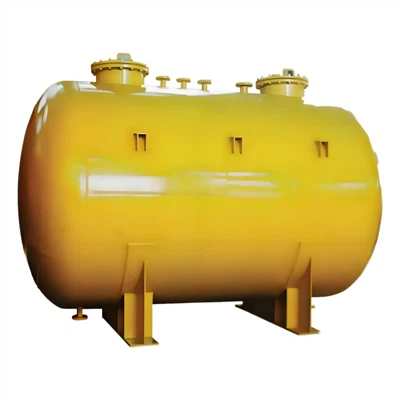
The material of the tank is one of the most significant factors influencing its longevity. Historically, steel was a popular choice for underground fuel tanks. Steel tanks are strong and relatively inexpensive, but they are highly susceptible to corrosion. When buried underground, steel tanks are exposed to moisture, soil chemicals, and electrical currents, which can cause rust and eventually lead to leaks. On average, a steel underground fuel tank may last between 10 to 15 years. However, this lifespan can be significantly reduced if the tank is installed in a particularly corrosive environment.
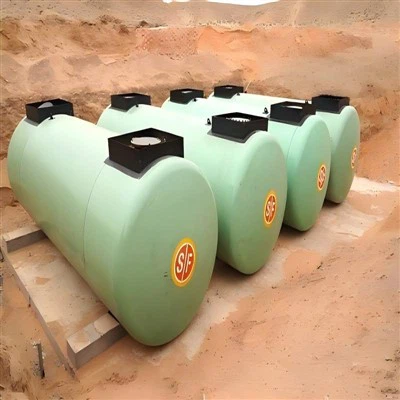
In contrast, fiberglass-reinforced plastic (FRP) tanks have become increasingly popular in recent years. FRP tanks are highly resistant to corrosion, making them a more durable option for underground fuel storage. These tanks can last 20 to 30 years or even longer with proper installation and maintenance. The non-metallic nature of FRP also eliminates the risk of galvanic corrosion, which is a common problem with steel tanks.
Installation Quality
Proper installation is crucial for ensuring the long-term performance of an underground fuel tank. A poorly installed tank can be subject to stress, damage, and premature failure. When installing an underground fuel tank, it is essential to follow all local codes and regulations, as well as the manufacturer's guidelines. This includes proper site preparation, ensuring a stable foundation, and using appropriate backfill materials.
For example, if the tank is not installed level, it can cause uneven stress on the tank walls, leading to cracks and leaks over time. Additionally, using improper backfill materials can cause abrasion or chemical damage to the tank. A professional installation by experienced contractors can significantly extend the lifespan of the tank.
Environmental Conditions
The environment in which the tank is installed plays a significant role in its lifespan. Soil conditions, such as pH level, moisture content, and the presence of chemicals, can affect the rate of corrosion and degradation. Tanks installed in acidic or alkaline soils are more likely to experience corrosion, especially if they are made of steel.
In areas with high water tables, the tank may be subject to hydrostatic pressure, which can cause the tank to float or shift. This can lead to damage to the tank and its associated piping. Additionally, extreme temperatures and weather conditions can also impact the tank's performance. For example, freezing temperatures can cause the fuel to expand, putting additional stress on the tank walls.
Maintenance and Inspection
Regular maintenance and inspection are essential for maximizing the lifespan of an underground fuel tank. This includes monitoring the tank's integrity, checking for leaks, and maintaining the associated piping and equipment. Most regulatory agencies require periodic inspections of underground fuel tanks to ensure compliance with safety and environmental standards.
For steel tanks, regular inspections may include visual inspections, ultrasonic testing, and cathodic protection monitoring. Cathodic protection is a technique used to prevent corrosion by applying an electrical current to the tank. For FRP tanks, inspections typically focus on checking for signs of damage, such as cracks or delamination.
In addition to inspections, proper maintenance practices can also help extend the tank's lifespan. This includes keeping the tank clean, preventing water and debris from entering the tank, and ensuring that the fuel is of good quality. Regularly changing filters and performing other routine maintenance tasks can also help prevent problems and ensure the efficient operation of the tank.
Typical Lifespans of Different Types of Underground Fuel Tanks
Underground Diesel Tank
Diesel fuel is less volatile than gasoline, which can have a positive impact on the lifespan of the tank. However, diesel can also contain contaminants that can cause corrosion and damage to the tank over time. A well-maintained steel underground diesel tank can last 10 to 15 years, while an FRP tank can last 20 to 30 years or more.
Underground Gasoline Tank
Gasoline is a more volatile fuel than diesel, and it can be more corrosive to some tank materials. Steel underground gasoline tanks are particularly susceptible to corrosion, and they may have a shorter lifespan compared to diesel tanks. On average, a steel underground gasoline tank may last 10 to 12 years. FRP gasoline tanks, on the other hand, can provide a longer lifespan of 20 to 30 years or more.


Underground Petrol Tank
The term "petrol" is commonly used in some countries to refer to gasoline. Similar to gasoline tanks, the lifespan of an underground petrol tank depends on the tank material, installation quality, and environmental conditions. FRP petrol tanks are generally more durable and can last longer than steel tanks.
Extending the Lifespan of Your Underground Fuel Tank
To get the most out of your underground fuel tank, it is important to take proactive steps to extend its lifespan. Here are some tips:
- Choose the Right Tank Material: Consider the environmental conditions and the type of fuel you will be storing when selecting a tank material. FRP tanks are generally a better choice for long-term durability, especially in corrosive environments.
- Invest in Professional Installation: Hire experienced contractors who are familiar with local codes and regulations to install the tank. A proper installation can prevent many potential problems and ensure the long-term performance of the tank.
- Perform Regular Maintenance and Inspections: Follow a regular maintenance schedule and have the tank inspected by a qualified professional at least once a year. This can help detect and address any issues before they become major problems.
- Monitor the Fuel Quality: Keep the fuel clean and free of contaminants to prevent damage to the tank. Use high-quality fuel filters and follow proper fuel handling procedures.
Conclusion
The lifespan of an underground fuel tank can vary depending on several factors, including tank material, installation quality, environmental conditions, and maintenance. While steel tanks may be more affordable upfront, they generally have a shorter lifespan compared to FRP tanks. By choosing the right tank material, ensuring proper installation, and performing regular maintenance, you can extend the lifespan of your underground fuel tank and ensure safe and reliable fuel storage for many years to come.
If you are considering purchasing an underground fuel tank, I encourage you to contact us to discuss your specific needs. Our team of experts can help you select the right tank for your application and provide you with professional installation and maintenance services. We are committed to providing high-quality products and excellent customer service to ensure your satisfaction.
References
- American Petroleum Institute (API). (Year). API Standard 650 - Welded Steel Tanks for Oil Storage.
- National Fire Protection Association (NFPA). (Year). NFPA 30 - Flammable and Combustible Liquids Code.
- Fiberglass Tank and Pipe Institute (FTPI). (Year). Guide for the Design, Fabrication, and Installation of Fiberglass Reinforced Plastic Tanks.