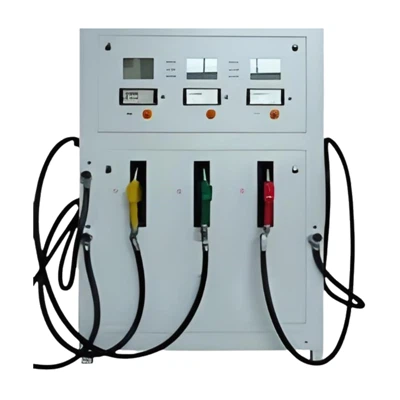
Ensuring the proper sealing of an underground fuel tank is super important, especially if you're in the business of storing and supplying fuel. As an underground fuel tank supplier, I've seen firsthand the issues that can pop up when a tank isn't sealed right. In this blog, I'll share some tips on how to make sure your underground fuel tank stays properly sealed.
1. Choose the Right Tank
The first step in ensuring proper sealing starts with selecting the right tank. There are different types of underground fuel tanks available, like Underground Diesel Tank, Underground Petrol Tank, and Underground Gasoline Tank. Each type has its own features and requirements for sealing.
When choosing a tank, consider the material it's made of. Steel tanks are common, but they can corrode over time, which might lead to leaks. Fiberglass-reinforced plastic (FRP) tanks are a great alternative as they're resistant to corrosion. Make sure the tank you choose is designed for underground use and meets all the relevant safety and environmental standards.


2. Professional Installation
Even the best tank won't seal properly if it's not installed correctly. That's why it's crucial to hire a professional installation team. These guys have the skills and experience to make sure the tank is placed in the right spot, at the right depth, and is properly leveled.
During installation, the tank needs to be connected to the fuel lines and other components. All these connections must be sealed tightly. The installers should use high-quality gaskets and seals to prevent any fuel from leaking out. They'll also check for any potential weak points in the tank and address them before backfilling the hole.
3. Regular Inspections
Once the tank is installed, regular inspections are a must. You can't just set it and forget it. Inspections help you catch any signs of a potential seal failure early on.
Visual inspections are a good start. Look for any signs of fuel leaks around the tank, such as wet spots or a strong smell of fuel. Check the gaskets and seals for any signs of wear or damage. If you notice any cracks or gaps, it's time to take action.
In addition to visual inspections, you can also use specialized equipment to check the integrity of the tank. For example, a pressure test can help you determine if there are any leaks in the tank. This involves pressurizing the tank and monitoring the pressure over a period of time. If the pressure drops, it could indicate a leak.
4. Maintenance and Repairs
Regular maintenance is key to keeping the tank's seal in good condition. This includes things like cleaning the tank, checking the fuel lines for blockages, and replacing any worn-out gaskets or seals.
If you do find a problem during an inspection, don't wait to fix it. Minor issues can quickly turn into major leaks if left untreated. Whether it's a small crack in the tank or a loose connection, get it repaired as soon as possible. Make sure to use high-quality replacement parts and follow the manufacturer's instructions for repairs.
5. Protect the Tank from External Factors
Underground fuel tanks are exposed to a lot of external factors that can affect their sealing. Soil conditions, for example, can have an impact on the tank. If the soil is too acidic or contains a lot of moisture, it can cause corrosion. You can protect the tank by using a cathodic protection system, which helps prevent corrosion by sending an electric current through the tank.
Temperature changes can also cause the tank to expand and contract, which might put stress on the seals. Make sure the tank is installed in a location where it's not exposed to extreme temperature fluctuations.
6. Train Your Staff
If you're running a fuel storage facility, it's important to train your staff on how to handle the underground fuel tank properly. They should know how to conduct inspections, perform basic maintenance tasks, and recognize the signs of a seal failure.
Proper training can help prevent human error, which is often a cause of seal problems. For example, if a staff member overfills the tank, it can put extra pressure on the seals and lead to a leak. By educating your staff, you can reduce the risk of these types of issues.
7. Keep Records
Keeping detailed records of the tank's installation, inspections, maintenance, and repairs is a good idea. These records can help you track the tank's history and identify any patterns or trends. For example, if you notice that a particular type of seal keeps failing, you can look into why that's happening and take steps to prevent it in the future.
Conclusion
Ensuring the proper sealing of an underground fuel tank is a multi-step process that requires careful planning, professional installation, regular inspections, and proper maintenance. By following these tips, you can reduce the risk of fuel leaks, protect the environment, and ensure the safety of your facility.
If you're in the market for an underground fuel tank or need help with installation, maintenance, or inspections, don't hesitate to get in touch. We're here to help you find the right solution for your needs. Whether you're looking for an Underground Diesel Tank, Underground Petrol Tank, or Underground Gasoline Tank, we've got you covered. Let's work together to ensure your fuel storage is safe and efficient.
References
- Environmental Protection Agency (EPA). (n.d.). Underground Storage Tanks. Retrieved from [EPA website]
- National Fire Protection Association (NFPA). (n.d.). NFPA 30: Flammable and Combustible Liquids Code.