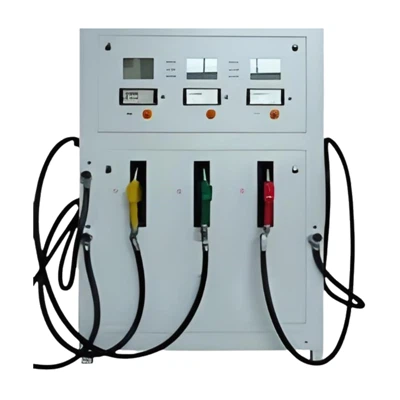
In the dynamic and competitive energy market, ensuring the reliability of fuel supply in a mini filling station is a critical task that involves a comprehensive approach. As a dedicated supplier to mini filling stations, I understand the unique challenges and requirements of this niche. In this blog, I will share insights and strategies on how to maintain a consistent and reliable fuel supply for mini filling stations.
Understanding the Needs of Mini Filling Stations
Mini filling stations serve a specific market segment, often in areas with lower traffic volumes or specialized customer needs. They may include Mini Diesel Station or Mini Petrol Station, catering to local communities, small businesses, or specific vehicle types. Understanding the demand patterns, fuel preferences, and regulatory requirements of these stations is the first step in ensuring a reliable fuel supply.
Analyzing Demand Patterns
To accurately predict fuel demand, it is essential to analyze historical data, seasonal trends, and local economic factors. For example, a mini filling station located near a construction site may experience higher demand for diesel fuel during peak construction seasons. By closely monitoring these patterns, suppliers can adjust their inventory levels and delivery schedules accordingly, ensuring that stations never run out of fuel.
Assessing Fuel Preferences
Different regions and customer segments may have varying preferences for fuel types. Some areas may have a higher demand for unleaded petrol, while others may require more diesel or alternative fuels. By understanding these preferences, suppliers can offer a tailored product mix that meets the specific needs of each mini filling station.
Complying with Regulatory Requirements
Mini filling stations are subject to a range of regulatory requirements, including safety, environmental, and quality standards. Suppliers must ensure that all fuel products meet these standards and that proper documentation is provided to the stations. This includes maintaining accurate records of fuel quality, storage, and transportation, as well as complying with local and national regulations.
Establishing Strong Supplier Relationships
Building strong relationships with reliable fuel suppliers is crucial for ensuring a consistent and high-quality fuel supply. As a supplier to mini filling stations, I prioritize transparency, communication, and trust in my partnerships.
Selecting Reputable Suppliers
When choosing fuel suppliers, it is important to consider their reputation, financial stability, and track record of reliability. Look for suppliers who have a proven history of delivering high-quality fuel on time and who are committed to meeting the specific needs of mini filling stations.
Negotiating Favorable Contracts
Negotiating favorable supply contracts is essential for ensuring a stable and cost-effective fuel supply. Contracts should include clear terms and conditions, including pricing, delivery schedules, quality standards, and payment terms. By working closely with suppliers, it is possible to negotiate contracts that provide flexibility and protection against market fluctuations.
Maintaining Open Communication
Maintaining open and regular communication with suppliers is key to ensuring a smooth and reliable fuel supply. This includes providing accurate forecasts of fuel demand, sharing information about any changes in station operations, and addressing any issues or concerns promptly. By working together, suppliers and mini filling stations can build a strong partnership based on trust and mutual benefit.
Implementing Effective Inventory Management
Effective inventory management is essential for ensuring that mini filling stations have an adequate supply of fuel at all times. This involves monitoring inventory levels, forecasting demand, and implementing appropriate replenishment strategies.
Monitoring Inventory Levels
Regularly monitoring inventory levels is crucial for identifying potential shortages or overstock situations. This can be done using automated inventory management systems that provide real-time data on fuel levels, consumption rates, and delivery schedules. By closely monitoring inventory levels, suppliers can take proactive measures to ensure that stations have an adequate supply of fuel.

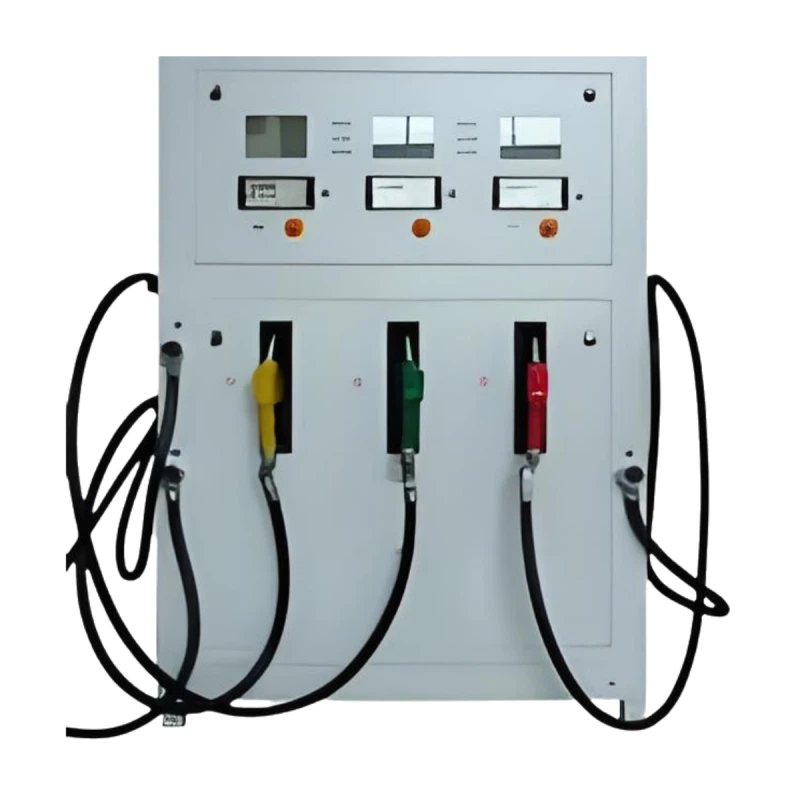
Forecasting Demand
Accurately forecasting fuel demand is essential for optimizing inventory levels and minimizing the risk of shortages or overstock. This can be done using historical data, market trends, and other factors to develop a demand forecast model. By regularly updating and refining this model, suppliers can improve the accuracy of their demand forecasts and ensure that stations have the right amount of fuel at the right time.
Implementing Replenishment Strategies
Based on the demand forecast and inventory levels, suppliers can implement appropriate replenishment strategies to ensure that stations have an adequate supply of fuel. This may include scheduled deliveries, emergency deliveries, or a combination of both. By working closely with mini filling stations, suppliers can develop a replenishment strategy that meets their specific needs and preferences.
Ensuring Quality Control
Ensuring the quality of fuel is essential for maintaining the reliability and performance of mini filling stations. This involves implementing strict quality control measures at every stage of the supply chain, from production to delivery.
Testing Fuel Quality
Before delivering fuel to mini filling stations, suppliers should conduct rigorous quality testing to ensure that it meets all relevant standards and specifications. This includes testing for purity, octane rating, cetane number, and other quality parameters. By using advanced testing equipment and techniques, suppliers can ensure that the fuel they deliver is of the highest quality.
Maintaining Storage and Transportation Conditions
Proper storage and transportation conditions are essential for maintaining the quality of fuel. Suppliers should ensure that all storage tanks and transportation vehicles are clean, well-maintained, and equipped with appropriate safety features. This includes regular inspections, cleaning, and maintenance to prevent contamination and ensure the integrity of the fuel.
Providing Quality Assurance Documentation
To provide customers with confidence in the quality of the fuel they are purchasing, suppliers should provide detailed quality assurance documentation. This includes certificates of analysis, test reports, and other relevant documentation that verifies the quality and compliance of the fuel. By providing this documentation, suppliers can demonstrate their commitment to quality and build trust with their customers.
Managing Supply Chain Risks
The fuel supply chain is subject to a range of risks, including地缘political events, natural disasters, and market fluctuations. As a supplier to mini filling stations, it is important to have a comprehensive risk management strategy in place to minimize the impact of these risks on the fuel supply.
Identifying Supply Chain Risks
The first step in managing supply chain risks is to identify potential risks and their potential impact on the fuel supply. This includes assessing the risk of geopolitical events, natural disasters, market fluctuations, and other factors that could disrupt the supply chain. By conducting a thorough risk assessment, suppliers can develop a comprehensive risk management strategy that addresses these risks.
Developing Risk Mitigation Strategies
Once potential risks have been identified, suppliers should develop risk mitigation strategies to minimize their impact on the fuel supply. This may include diversifying suppliers, maintaining strategic reserves, implementing contingency plans, and monitoring market trends. By taking proactive measures to manage supply chain risks, suppliers can ensure that mini filling stations have a reliable and consistent fuel supply.
Testing and Updating Risk Management Strategies
To ensure the effectiveness of risk management strategies, suppliers should regularly test and update them. This includes conducting simulations and drills to evaluate the response to potential risks and making any necessary adjustments to the strategies. By continuously improving their risk management capabilities, suppliers can better protect the fuel supply and ensure the reliability of mini filling stations.
Conclusion
Ensuring the reliability of fuel supply in a mini filling station is a complex and challenging task that requires a comprehensive approach. By understanding the needs of mini filling stations, establishing strong supplier relationships, implementing effective inventory management, ensuring quality control, and managing supply chain risks, suppliers can help to ensure that these stations have a consistent and reliable fuel supply.
If you are a mini filling station operator looking for a reliable fuel supplier, I invite you to contact us to discuss your specific needs. We are committed to providing high-quality fuel products and services that meet the unique requirements of mini filling stations. Let's work together to ensure the success of your business.
References
- [List relevant industry reports, studies, or guidelines here]
- [For example: "Fuel Supply Management Best Practices", Industry Association X]