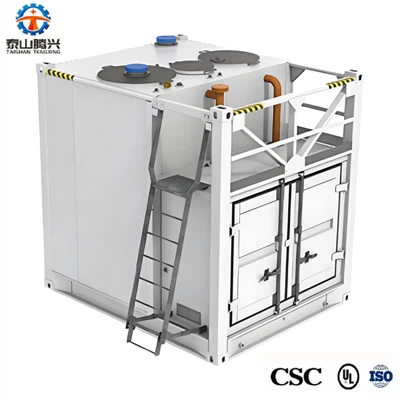
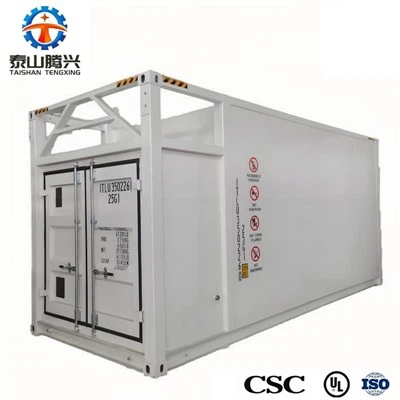
Yo, folks! As a supplier of Underground Diesel Tank, I often get asked if an underground diesel tank can be used for different grades of diesel. Well, let's dive right into this topic and break it down.
First off, let's understand what different grades of diesel are. Diesel fuel comes in various grades, mainly distinguished by their cetane number, sulfur content, and other properties. The cetane number is like the octane number for gasoline; it measures the ignition quality of diesel. A higher cetane number means the diesel ignites more easily and burns more efficiently. Sulfur content is also a crucial factor, as low - sulfur diesel is more environmentally friendly and required by many modern engines.
Now, can an underground diesel tank handle different grades of diesel? The short answer is yes, it can. But there are some important things to keep in mind.
Compatibility
Most modern underground diesel tanks are made from materials that are compatible with different grades of diesel. These tanks are typically constructed from high - quality steel or fiberglass. Steel tanks are strong and durable, and they can withstand the chemical properties of various diesel fuels. Fiberglass tanks, on the other hand, are corrosion - resistant and lightweight. They also don't react with the diesel, making them a great option for storing different grades.
However, if you're using an older tank, there could be some issues. Older tanks might have coatings that could be damaged by certain additives in some grades of diesel. For example, some high - performance diesel fuels contain additives that are designed to clean the engine and improve fuel efficiency. These additives might react with the old coating on the tank, causing it to peel or flake off. If this happens, it can contaminate the fuel and potentially damage the engine.
Contamination Risks
One of the biggest concerns when using an underground diesel tank for different grades of diesel is contamination. If you switch from a lower - grade diesel to a higher - grade one, there's a risk that the remaining lower - grade diesel in the tank could mix with the new fuel. This can affect the performance of the higher - grade diesel.
For instance, if the lower - grade diesel has a higher sulfur content, it can reduce the effectiveness of the low - sulfur additives in the new fuel. This can lead to increased emissions and potentially damage the engine's emission control system. To minimize this risk, it's a good idea to empty the tank as much as possible before filling it with a different grade of diesel. You can also use a fuel transfer pump to remove as much of the old fuel as you can.
Storage Conditions
The storage conditions of the underground diesel tank also play a role in whether it can be used for different grades of diesel. Temperature and humidity can affect the quality of the fuel. Diesel fuel can absorb moisture from the air, especially in humid conditions. This moisture can cause microbial growth in the tank, which can contaminate the fuel.
To prevent this, make sure the tank is properly sealed. You can also install a moisture - absorbing filter in the tank. Additionally, maintaining a consistent temperature in the tank can help preserve the quality of the fuel. Some underground tanks are equipped with insulation to help regulate the temperature.


Testing and Monitoring
Regular testing and monitoring of the fuel in the underground tank are essential when using different grades of diesel. You should test the fuel for water content, microbial growth, and other contaminants. There are various testing kits available in the market that can help you do this easily.
Monitoring the fuel level is also important. If you notice a sudden drop in the fuel level, it could indicate a leak in the tank. A leak can not only waste fuel but also contaminate the surrounding soil and groundwater. You can use a fuel level sensor to keep track of the fuel level in the tank.
Regulatory Requirements
Before using an underground diesel tank for different grades of diesel, you need to check the local regulatory requirements. Some areas have strict regulations regarding the storage and handling of different grades of fuel. These regulations are in place to protect the environment and public safety.
For example, you might need to obtain a permit to store different grades of diesel in the same tank. You may also be required to install certain safety features, such as spill containment systems and leak detection devices. Make sure you comply with all the relevant regulations to avoid any legal issues.
Benefits of Using One Tank for Different Grades
Despite the potential challenges, there are some benefits to using an underground diesel tank for different grades of diesel. It can save you money on tank installation and maintenance. Instead of having multiple tanks for different grades, you can use a single tank, which reduces the initial investment and ongoing maintenance costs.
It also provides more flexibility. If you run out of one grade of diesel, you can easily switch to another grade without having to wait for a new tank to be installed. This can be especially useful in emergency situations or when there are supply shortages.
Other Related Tanks
If you're also interested in other types of underground fuel tanks, we also offer Underground Petrol Tank and Underground Gasoline Tank. These tanks have similar considerations when it comes to storage and compatibility.
In conclusion, an underground diesel tank can be used for different grades of diesel, but it requires careful planning, proper maintenance, and compliance with regulations. If you're thinking about using your underground diesel tank for different grades, make sure you take all the necessary precautions to ensure the quality of the fuel and the safety of the storage system.
If you're in the market for an underground diesel tank or have any questions about using different grades of diesel in your tank, don't hesitate to reach out. We're here to help you make the best decision for your fuel storage needs. Let's have a chat and see how we can work together to meet your requirements.
References
- "Diesel Fuel Basics" - American Petroleum Institute
- "Underground Storage Tank Regulations" - Environmental Protection Agency
- "Fuel Storage and Handling Best Practices" - National Fire Protection Association