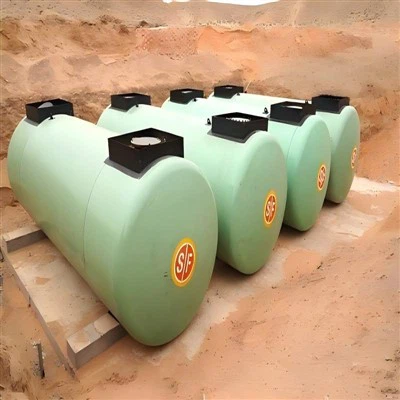
Installing a flow control valve for an underground petrol tank is a crucial process that requires careful planning, technical knowledge, and adherence to safety regulations. As a supplier of Underground Petrol Tank, we understand the importance of this task and are here to guide you through the installation process step by step.
Understanding Flow Control Valves
Before diving into the installation process, it's essential to understand what a flow control valve is and why it's necessary for an underground petrol tank. A flow control valve is a device used to regulate the flow rate of a fluid, in this case, petrol, through a pipeline. It allows you to control the amount of petrol being dispensed, ensuring that it is delivered at a safe and consistent rate.
There are several types of flow control valves available, including ball valves, gate valves, and globe valves. Each type has its own advantages and disadvantages, and the choice of valve will depend on factors such as the flow rate requirements, pressure, and the specific application.
Pre-Installation Preparations
Safety First
Safety should always be your top priority when working with underground petrol tanks. Before starting the installation process, make sure you have the necessary safety equipment, including gloves, goggles, and a fire extinguisher. Familiarize yourself with the safety procedures and regulations in your area, and ensure that you have all the required permits.
Gather the Necessary Tools and Materials
To install a flow control valve, you will need the following tools and materials:
- Flow control valve
- Pipe cutter
- Wrenches
- Pipe fittings
- Sealant
- Measuring tape
- Safety equipment
Inspect the Tank and Pipeline
Before installing the flow control valve, inspect the underground petrol tank and the pipeline for any signs of damage or leaks. Check the tank's integrity, including the seams, welds, and fittings. Look for any corrosion, cracks, or dents that could compromise the tank's safety.
Inspect the pipeline for any blockages, leaks, or damage. Ensure that the pipeline is properly supported and secured. If you find any issues, address them before proceeding with the installation.
Installation Process
Step 1: Shut Off the Petrol Supply
Before starting any work on the pipeline, shut off the petrol supply to the tank. This will prevent any petrol from flowing through the pipeline during the installation process, reducing the risk of accidents and spills.
Step 2: Locate the Installation Point
Determine the best location for installing the flow control valve. The valve should be installed in a convenient location that allows for easy access and maintenance. It should also be installed close to the tank to minimize the length of the pipeline.
Mark the installation point on the pipeline using a measuring tape and a marker. Make sure the mark is straight and level.
Step 3: Cut the Pipeline
Using a pipe cutter, carefully cut the pipeline at the marked installation point. Make sure the cut is clean and straight. Remove any burrs or debris from the cut ends of the pipeline using a file or sandpaper.
Step 4: Install the Pipe Fittings
Attach the pipe fittings to the cut ends of the pipeline. Use the appropriate size and type of fittings for your flow control valve. Apply a thin layer of sealant to the threads of the fittings to prevent leaks.
Tighten the fittings using a wrench, making sure they are securely fastened. Be careful not to overtighten the fittings, as this could damage the pipeline or the fittings.
Step 5: Install the Flow Control Valve
Insert the flow control valve into the pipe fittings. Make sure the valve is properly aligned and seated. Tighten the valve using a wrench, following the manufacturer's instructions.
Step 6: Test the Installation
Once the flow control valve is installed, turn on the petrol supply to the tank. Check for any leaks around the valve and the pipe fittings. If you find any leaks, tighten the fittings or apply additional sealant as needed.
Test the flow control valve by adjusting the flow rate. Make sure the valve is working properly and that the flow rate can be adjusted smoothly.
Post-Installation Checks
Inspect the Installation
After the installation is complete, inspect the flow control valve and the pipeline for any signs of damage or leaks. Check the valve's operation and make sure it is functioning properly.
Record the Installation
Keep a record of the installation, including the date, time, and any relevant details. This record can be useful for future maintenance and inspections.
Train the Operators
If the flow control valve is being installed in a commercial or industrial setting, make sure the operators are trained on how to use and maintain the valve. Provide them with the necessary training materials and safety instructions.
Maintenance and Troubleshooting
Regular Maintenance
To ensure the proper functioning of the flow control valve, it is important to perform regular maintenance. This includes inspecting the valve for any signs of wear or damage, cleaning the valve, and lubricating the moving parts.
Follow the manufacturer's recommendations for maintenance intervals and procedures. Keep a record of the maintenance activities for future reference.
Troubleshooting
If you encounter any problems with the flow control valve, such as leaks, reduced flow rate, or difficulty adjusting the valve, refer to the manufacturer's troubleshooting guide. If you are unable to resolve the issue, contact a qualified technician for assistance.
Conclusion
Installing a flow control valve for an underground petrol tank is a complex process that requires careful planning, technical knowledge, and adherence to safety regulations. By following the steps outlined in this guide, you can ensure a safe and successful installation.
As a supplier of Underground Petrol Tank, we are committed to providing high-quality products and services to our customers. If you have any questions or need further assistance with the installation of a flow control valve, please do not hesitate to contact us. We are here to help you with all your underground petrol tank needs.


References
- API RP 1632: Recommended Practice for Design, Installation, and Operation of Underground Petroleum Storage Systems.
- NFPA 30: Flammable and Combustible Liquids Code.
- ASTM D1998: Standard Specification for Underground Petroleum Storage Tanks.