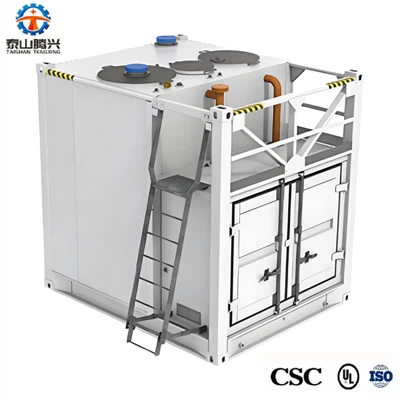
Hey there! I'm a supplier of underground fuel tanks, and I know firsthand how important it is to keep your fuel in top - notch condition. Fuel degradation in an underground fuel tank can lead to all sorts of headaches, like clogs in your engines, reduced fuel efficiency, and even damage to your equipment. So, let's talk about how you can prevent this from happening.
Understanding Fuel Degradation
First off, it's crucial to understand what causes fuel degradation. There are a few main culprits. Oxidation is one of them. When fuel is exposed to oxygen, it starts to break down. This can happen when there are air leaks in the tank or when the fuel is stored for a long time. Microbial growth is another big issue. Bacteria and fungi can thrive in the fuel, especially if there's water present. These microorganisms can form slimes and biofilms that clog filters and fuel lines.
Temperature also plays a role. High temperatures can speed up the chemical reactions that cause fuel to degrade. In an underground tank, you might think the temperature is stable, but seasonal changes and the location of the tank can still have an impact.
Regular Inspections
One of the best ways to prevent fuel degradation is through regular inspections. You should check your underground fuel tank at least once a year, if not more often. Look for signs of corrosion on the tank walls. Corrosion can lead to leaks, which not only waste fuel but also allow water and air to enter the tank.
Inspect the fuel itself. Check for any signs of discoloration, sediment, or an unusual odor. If you notice any of these things, it could be a sign that the fuel is degrading. You can also use fuel testing kits to check for things like water content, microbial contamination, and oxidation levels.
Keep the Tank Full
It might seem counterintuitive, but keeping your underground fuel tank as full as possible can help prevent fuel degradation. When the tank is full, there's less air space, which means less oxygen available for oxidation. Also, a full tank reduces the chances of water condensation. Water can enter the tank through condensation when there's a lot of empty space and a significant temperature difference between the inside and outside of the tank.
Use Fuel Additives
Fuel additives can be a great way to prevent fuel degradation. There are different types of additives available. Oxidation inhibitors can slow down the oxidation process. They work by reacting with the oxygen in the fuel before it can cause damage. Biocides are another type of additive. They help to kill off any bacteria or fungi that might be growing in the fuel.


But be careful when choosing additives. Make sure you choose ones that are compatible with your fuel and your tank. You don't want to use an additive that could cause more problems than it solves.
Proper Tank Installation
The way your underground fuel tank is installed can also have a big impact on fuel degradation. Make sure the tank is installed correctly, with proper ventilation and grounding. A well - installed tank is less likely to have leaks or air infiltration.
If you're in the market for a new underground fuel tank, check out our Underground Petrol Tank, Underground Gasoline Tank, and Underground Diesel Tank. We offer high - quality tanks that are designed to keep your fuel in great condition.
Water Management
Water is one of the biggest enemies of fuel in an underground tank. As I mentioned earlier, it can lead to microbial growth and corrosion. To manage water in your tank, you can install a water separator. This device helps to remove water from the fuel before it reaches your engines.
You should also check for water in the tank regularly. You can do this by using a water - finding paste. Just dip a stick with the paste on it into the tank, and if there's water, the paste will change color. If you find water, drain it out as soon as possible.
Storage Conditions
The location of your underground fuel tank can affect the storage conditions. Try to place the tank in an area where the temperature is as stable as possible. Avoid areas that are prone to flooding or where there's a lot of traffic that could cause vibrations.
Also, make sure the tank is protected from direct sunlight. Sunlight can heat up the fuel and speed up the degradation process.
Training and Education
If you have employees who are responsible for handling the fuel in the underground tank, make sure they're properly trained. They should know how to inspect the tank, how to use fuel additives, and what to do if they notice any signs of fuel degradation.
Monitoring Systems
Investing in a monitoring system can be a great way to keep an eye on your underground fuel tank. These systems can track things like fuel level, temperature, and water content. Some systems can even send alerts to your phone or computer if there's a problem.
Conclusion
Preventing fuel degradation in an underground fuel tank is all about being proactive. By following these tips, you can keep your fuel in great condition and avoid costly problems down the road.
If you're interested in purchasing an underground fuel tank or need more information on fuel degradation prevention, don't hesitate to reach out. We're here to help you make the best decisions for your fuel storage needs.
References
- ASTM International. Standards related to fuel storage and quality.
- National Fire Protection Association (NFPA). Codes and standards for fuel storage.