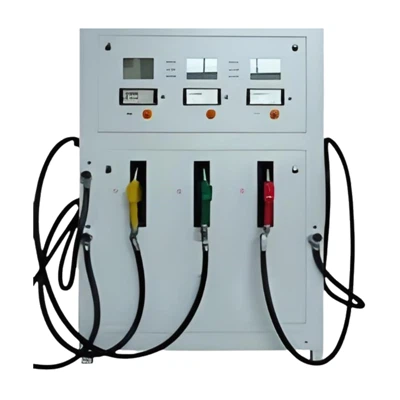
Static electricity is a significant concern in underground fuel tank systems. As a leading supplier of Underground Petrol Tank, Underground Diesel Tank, and Underground Gasoline Tank, we understand the potential risks associated with static electricity in these environments. In this blog post, we will explore the causes of static electricity in underground fuel tank systems and provide practical strategies to prevent it.
Understanding Static Electricity in Underground Fuel Tank Systems
Static electricity is the result of an imbalance of electric charges within or on the surface of a material. In the context of underground fuel tank systems, static electricity can be generated during various operations such as fuel filling, transfer, and agitation. When fuel flows through pipes, hoses, or filters, friction between the fuel and the surfaces can cause electrons to be transferred, leading to the buildup of static charges.
The risks associated with static electricity in underground fuel tank systems are significant. A static discharge can ignite fuel vapors, leading to fires or explosions. This not only poses a threat to the safety of personnel and property but can also have severe environmental consequences. Therefore, it is crucial to implement effective measures to prevent static electricity buildup in these systems.
Causes of Static Electricity Buildup
Several factors contribute to the buildup of static electricity in underground fuel tank systems. One of the primary causes is the flow of fuel through pipes and hoses. The faster the fuel flows, the more friction is generated, increasing the likelihood of static charge buildup. Additionally, the type of fuel can also affect static electricity generation. Fuels with low conductivity, such as gasoline, are more prone to static charge buildup compared to fuels with higher conductivity, such as diesel.
Another factor that can contribute to static electricity buildup is the presence of contaminants in the fuel. Particles, water, or other impurities can increase the friction between the fuel and the surfaces, leading to a greater buildup of static charges. Moreover, the design and material of the fuel tank and associated equipment can also play a role. For example, non-conductive materials can prevent the dissipation of static charges, allowing them to accumulate over time.
Preventive Measures
Grounding and Bonding
One of the most effective ways to prevent static electricity buildup in underground fuel tank systems is through proper grounding and bonding. Grounding involves connecting the fuel tank and all associated equipment, such as pipes, hoses, and pumps, to the earth. This provides a path for the static charges to flow safely to the ground, preventing their accumulation.
Bonding, on the other hand, involves connecting all conductive parts of the system together. This ensures that any static charges generated are evenly distributed across the system, reducing the risk of a static discharge. When installing or maintaining an underground fuel tank system, it is essential to ensure that all grounding and bonding connections are properly made and regularly inspected.
Use of Conductive Materials
Using conductive materials in the construction of underground fuel tank systems can also help prevent static electricity buildup. Conductive pipes, hoses, and tanks allow static charges to be dissipated more easily, reducing the risk of a static discharge. Additionally, the use of conductive additives in the fuel can increase its conductivity, further minimizing the buildup of static charges.
Control of Fuel Flow Rate
Controlling the fuel flow rate is another important preventive measure. By reducing the speed at which fuel flows through pipes and hoses, the friction generated can be minimized, reducing the likelihood of static charge buildup. It is recommended to follow the manufacturer's guidelines for the maximum flow rate of the fuel system and to use flow control devices, such as valves or restrictors, if necessary.
Elimination of Contaminants
Ensuring that the fuel is free from contaminants is crucial in preventing static electricity buildup. Regularly filtering the fuel can remove particles, water, and other impurities, reducing the friction between the fuel and the surfaces. Additionally, proper storage and handling of the fuel can help prevent the introduction of contaminants into the system.
Use of Anti-Static Agents
Anti-static agents can be added to the fuel to reduce the buildup of static charges. These agents work by increasing the conductivity of the fuel, allowing static charges to be dissipated more easily. When using anti-static agents, it is important to follow the manufacturer's instructions regarding the proper dosage and application.


Design and Installation Considerations
The design and installation of underground fuel tank systems also play a vital role in preventing static electricity buildup. When designing the system, it is important to consider factors such as the layout of the pipes, the location of the fuel tank, and the type of equipment used. For example, pipes should be designed to minimize sharp bends and turns, as these can increase the friction and static charge buildup.
During installation, it is essential to ensure that all components are properly installed and connected. The fuel tank should be installed on a level surface and properly grounded. Additionally, all pipes and hoses should be securely fastened and free from leaks. Regular inspections and maintenance of the system are also necessary to ensure that it remains in good working condition.
Training and Education
Proper training and education of personnel involved in the operation and maintenance of underground fuel tank systems are essential. All employees should be trained on the risks associated with static electricity and the preventive measures that need to be taken. This includes understanding the importance of grounding and bonding, controlling fuel flow rates, and eliminating contaminants.
Regular safety training sessions should be conducted to keep employees updated on the latest safety procedures and best practices. Additionally, employees should be provided with the necessary personal protective equipment (PPE) to minimize the risk of static electricity-related accidents.
Monitoring and Maintenance
Monitoring the underground fuel tank system for static electricity buildup is an important part of preventive maintenance. This can be done using static electricity monitoring devices, which can detect the presence of static charges and provide an early warning of potential problems. Regular inspections of the system should also be carried out to check for any signs of damage or wear that could affect its ability to prevent static electricity buildup.
Maintenance of the system is also crucial to ensure its continued effectiveness. This includes regular cleaning of the fuel tank and associated equipment, replacement of worn or damaged parts, and calibration of monitoring devices. By implementing a comprehensive monitoring and maintenance program, the risk of static electricity-related incidents can be significantly reduced.
Conclusion
Preventing static electricity in underground fuel tank systems is of utmost importance to ensure the safety of personnel, property, and the environment. By understanding the causes of static electricity buildup and implementing effective preventive measures, such as grounding and bonding, using conductive materials, controlling fuel flow rates, eliminating contaminants, and using anti-static agents, the risk of static discharge and its associated hazards can be minimized.
As a supplier of Underground Petrol Tank, Underground Diesel Tank, and Underground Gasoline Tank, we are committed to providing our customers with high-quality products and solutions that meet the highest safety standards. If you are interested in learning more about our underground fuel tank systems or have any questions regarding static electricity prevention, please feel free to contact us. We look forward to discussing your requirements and providing you with the best solutions for your needs.
References
- National Fire Protection Association (NFPA). NFPA 30: Flammable and Combustible Liquids Code.
- American Petroleum Institute (API). API RP 2003: Protection Against Ignitions Arising Out of Static, Lightning, and Stray Currents.
- International Electrotechnical Commission (IEC). IEC 60079-32-1: Explosive atmospheres - Part 32-1: Electrostatic hazards - Guidance.