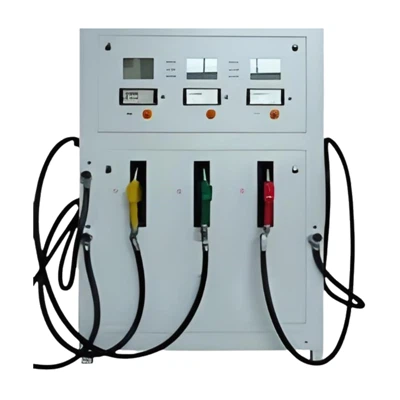
In today's fast - paced world, the demand for flexible and efficient fueling solutions is on the rise. As a supplier of Mobile Filling Stations, I've witnessed firsthand how these innovative setups are revolutionizing the fuel industry and bringing about significant economic benefits.


1. Cost - Saving for End - Users
One of the most immediate economic benefits of mobile filling stations is the cost - saving they offer to end - users. Traditional fixed filling stations often have high overhead costs, including rent for large plots of land, building construction, and extensive infrastructure maintenance. These costs are ultimately passed on to the consumers in the form of higher fuel prices.
In contrast, mobile filling stations have relatively lower operating costs. They don't require a large, permanent physical location, and their setup and relocation are much more affordable. For businesses that rely on a large fleet of vehicles, such as transportation companies, construction firms, and logistics providers, having a mobile filling station on - site can save a substantial amount of money. Instead of sending their vehicles to a distant fixed station, which incurs additional fuel costs for the journey, they can refuel right at their workplace. This not only reduces fuel consumption but also saves time, allowing employees to be more productive.
For example, a construction company working on a remote site may have to transport its heavy machinery and vehicles to the nearest fixed filling station, which could be miles away. With a Mobile Diesel Station, they can fuel up their equipment on - site, eliminating the need for long - distance trips. This not only cuts down on fuel expenses but also minimizes downtime, enabling the company to complete projects more quickly and potentially take on more jobs.
2. Increased Revenue for Fuel Suppliers
Mobile filling stations open up new revenue streams for fuel suppliers. They can reach customers in areas where traditional filling stations are not feasible or accessible. For instance, in rural areas with low population density, it may not be economically viable to build a fixed filling station. However, a mobile filling station can visit these areas periodically, providing fuel to local farmers, small businesses, and residents.
Fuel suppliers can also target specific industries and events. During large - scale outdoor events such as music festivals, sports tournaments, or agricultural fairs, mobile filling stations can be deployed to meet the fuel needs of generators, food trucks, and other vehicles. This allows suppliers to tap into a previously untapped market and increase their sales volume.
Moreover, mobile filling stations can offer customized fueling services. They can provide different types of fuels, such as gasoline, diesel, and even alternative fuels, depending on the customer's requirements. This flexibility enables suppliers to attract a wider range of customers and charge premium prices for specialized services. For example, a Mobile Gasoline Station can be equipped to provide high - octane gasoline for high - performance vehicles, catering to a niche market of car enthusiasts.
3. Job Creation
The establishment and operation of mobile filling stations create jobs at various levels. At the manufacturing stage, there is a need for skilled workers to design, build, and assemble the mobile filling stations. These workers include engineers, welders, electricians, and technicians. Once the stations are in operation, there is a demand for drivers to transport the stations to different locations, as well as attendants to manage the fueling process.
In addition, the increased economic activity generated by mobile filling stations can have a multiplier effect on job creation in related industries. For example, the growth of the mobile filling station market may lead to an increase in demand for fuel storage tanks, pumps, and other equipment. This, in turn, creates jobs in the manufacturing and distribution of these products.
4. Reduced Infrastructure Investment
From a societal perspective, mobile filling stations can reduce the need for large - scale infrastructure investment in the fueling sector. Building a traditional filling station requires significant capital investment in land acquisition, construction, and environmental compliance. In many cases, these stations also need to be connected to a complex network of pipelines and storage facilities.
Mobile filling stations, on the other hand, can operate with a much smaller footprint. They can be easily transported and set up, and they don't require a permanent connection to a pipeline network. This means that governments and private investors can save on infrastructure costs and allocate resources to other critical areas, such as education, healthcare, and transportation.
5. Enhanced Market Competition
The introduction of mobile filling stations into the market increases competition. Traditional filling stations now have to compete with these mobile alternatives, which often offer more competitive prices and better - tailored services. This competition drives innovation and efficiency in the fuel industry.
Fixed filling stations may be forced to improve their customer service, upgrade their facilities, and offer more competitive pricing to retain their customers. At the same time, mobile filling stations are constantly looking for ways to differentiate themselves, such as by offering faster fueling times, more convenient payment options, or better - quality fuels. This overall improvement in the market benefits consumers, as they have more choices and can get better value for their money.
6. Environmental Benefits with Economic Pay - offs
Many modern mobile filling stations are designed with environmental considerations in mind. They are equipped with advanced fuel storage and dispensing systems that minimize fuel spills and emissions. This not only helps to protect the environment but also reduces the potential for costly environmental clean - up operations.
In addition, by reducing the need for vehicles to travel long distances to refuel, mobile filling stations can contribute to a reduction in greenhouse gas emissions. This can lead to potential cost savings for businesses in the form of lower carbon taxes or incentives for environmental compliance. Moreover, as the demand for sustainable energy solutions grows, mobile filling stations can be adapted to offer alternative fuels such as biofuels or hydrogen, opening up new business opportunities and contributing to a greener economy.
Conclusion
The economic benefits of mobile filling stations are numerous and far - reaching. From cost - savings for end - users and increased revenue for fuel suppliers to job creation, reduced infrastructure investment, enhanced market competition, and environmental benefits, these innovative fueling solutions are transforming the fuel industry.
If you are a business owner looking for a more cost - effective and convenient fueling solution, or a fuel supplier interested in expanding your market reach, I encourage you to consider investing in a mobile filling station. Our company offers a wide range of high - quality Mobile Diesel Station, Mobile Gasoline Station, and Portable Gasoline Station options to meet your specific needs. Contact us today to start a discussion about how our mobile filling stations can bring economic advantages to your business.
References
- "The Future of Fueling: Mobile Filling Stations" - Industry Report by Fuel Market Research Group
- "Economic Impact of Alternative Fueling Infrastructure" - Journal of Energy Economics
- "Environmental and Economic Benefits of Mobile Fueling Solutions" - Research Paper by the Institute of Sustainable Energy