Hey there! As a supplier of Underground Diesel Tank, I've seen firsthand the importance of reducing the risk of explosion in these tanks. It's not just about safety; it's also about protecting your investment and ensuring the smooth operation of your business. In this blog post, I'm gonna share some practical tips on how you can achieve that.
Understanding the Risks
Before we dive into the solutions, let's take a quick look at what causes explosions in underground diesel tanks. Diesel is a flammable liquid, and when it vaporizes, it can form an explosive mixture with air. This mixture can be ignited by a spark, flame, or even static electricity. Factors like improper installation, poor maintenance, and environmental conditions can increase the likelihood of an explosion.
Proper Installation
The first step in reducing the risk of explosion is to ensure that your underground diesel tank is installed correctly. Here are some key points to keep in mind:


- Location: Choose a suitable location for the tank. It should be away from sources of ignition, such as electrical equipment, heaters, and open flames. Also, make sure it's on stable ground and not prone to flooding.
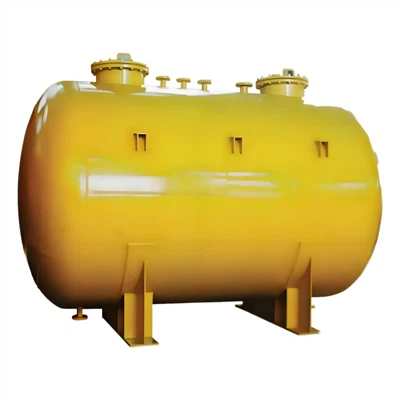
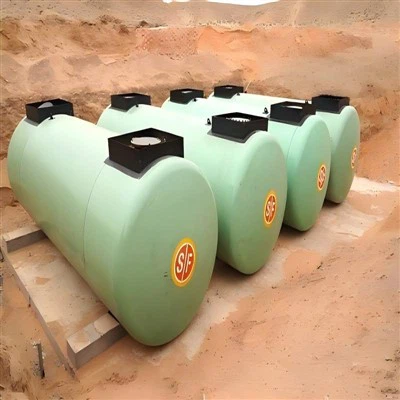
- Tank Material: Select a high-quality tank made from materials that are resistant to corrosion and leakage. Most modern underground diesel tanks are made of fiberglass or steel, which offer excellent durability and protection.
- Ventilation: Proper ventilation is crucial to prevent the buildup of diesel vapors. The tank should be equipped with vents that allow fresh air to enter and exhaust the vapors safely. Make sure the vents are not blocked or restricted.
- Overfill Protection: Install an overfill prevention device to prevent the tank from overflowing. This can help reduce the risk of spills and the formation of explosive vapors.
Regular Maintenance
Once your underground diesel tank is installed, regular maintenance is essential to keep it in good working condition. Here are some maintenance tasks you should perform:
- Inspections: Conduct regular inspections of the tank, pipes, and fittings for signs of damage, corrosion, or leakage. Look for cracks, rust, and any other visible defects. If you notice any problems, address them immediately.
- Cleaning: Keep the tank clean to prevent the buildup of sediment, water, and other contaminants. This can help improve the quality of the diesel and reduce the risk of clogging and other issues.
- Testing: Periodically test the tank for leaks and other safety issues. You can use a variety of testing methods, such as pressure testing and ultrasonic testing, to detect any problems early.
- Calibration: Ensure that all the sensors and gauges on the tank are calibrated correctly. This can help you monitor the level of diesel in the tank accurately and prevent overfilling or running out of fuel.
Safety Measures
In addition to proper installation and maintenance, there are several safety measures you can take to reduce the risk of explosion in your underground diesel tank:
- Grounding: Make sure the tank is properly grounded to prevent the buildup of static electricity. Static electricity can generate sparks, which can ignite the diesel vapors.
- Lightning Protection: Install lightning protection systems to protect the tank from lightning strikes. Lightning can cause significant damage to the tank and increase the risk of explosion.
- Fire Suppression: Have a fire suppression system in place, such as a sprinkler system or fire extinguisher, to quickly extinguish any fires that may occur. Make sure the system is regularly maintained and tested.
- Training: Provide training to all employees who work with or around the underground diesel tank. They should be aware of the potential hazards and know how to respond in case of an emergency.
Monitoring and Control
Another important aspect of reducing the risk of explosion is to monitor and control the conditions inside the tank. Here are some ways you can do this:
- Level Monitoring: Use a level monitoring system to keep track of the amount of diesel in the tank. This can help you prevent overfilling and ensure that you have enough fuel for your operations.
- Temperature Monitoring: Monitor the temperature inside the tank to prevent overheating. High temperatures can increase the volatility of the diesel and the risk of explosion.
- Vapor Monitoring: Install a vapor monitoring system to detect the presence of diesel vapors in the air. If the vapor concentration exceeds a safe level, the system can trigger an alarm and take appropriate action.
- Remote Monitoring: Consider using a remote monitoring system to keep an eye on the tank's conditions from a distance. This can be especially useful if you have multiple tanks or if the tank is located in a remote area.
Environmental Considerations
Finally, it's important to consider the environmental impact of your underground diesel tank. Here are some ways you can minimize the environmental risks:
- Spill Prevention: Take steps to prevent spills and leaks from the tank. This can include using secondary containment systems, such as double-walled tanks or spill berms, to contain any spills.
- Waste Management: Properly dispose of any waste generated during the operation and maintenance of the tank, such as used filters and contaminated diesel. Follow all local regulations and guidelines for waste disposal.
- Environmental Monitoring: Regularly monitor the surrounding environment for any signs of contamination. This can include testing the soil, water, and air for diesel residues. If you detect any contamination, take immediate action to clean it up.
Conclusion
Reducing the risk of explosion in an underground diesel tank requires a combination of proper installation, regular maintenance, safety measures, monitoring, and environmental considerations. By following these tips, you can ensure the safety of your employees, protect your investment, and minimize the environmental impact of your operations.
If you're in the market for an Underground Diesel Tank, Underground Gasoline Tank, or Underground Petrol Tank, I'd be happy to help. We offer a wide range of high-quality tanks and related products to meet your needs. Feel free to reach out to us to discuss your requirements and get a quote.
References
- American Petroleum Institute (API). (2019). API Standard 650, Welded Steel Tanks for Oil Storage.
- National Fire Protection Association (NFPA). (2020). NFPA 30, Flammable and Combustible Liquids Code.
- Environmental Protection Agency (EPA). (2021). Underground Storage Tanks Regulations.