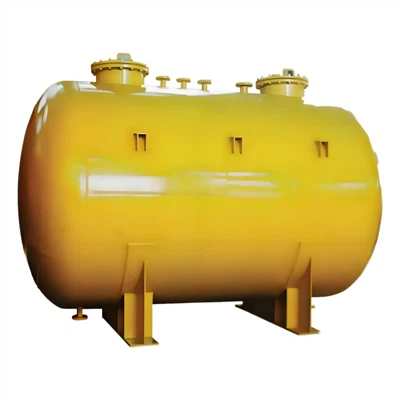
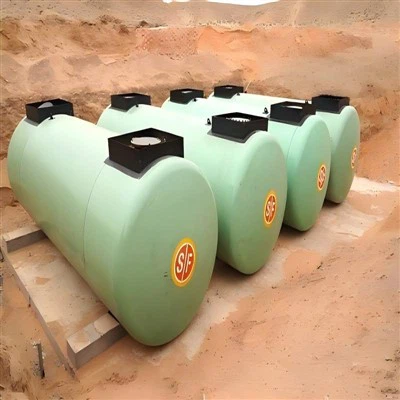
Leaking underground diesel tanks can pose significant environmental and safety risks, not to mention the potential for financial losses due to fuel leakage. As a supplier of Underground Diesel Tank, I understand the importance of addressing these issues promptly and effectively. In this blog post, I will guide you through the process of repairing a leaking underground diesel tank, from detection to the final steps of ensuring a safe and functional tank.
Step 1: Detection and Assessment
The first step in repairing a leaking underground diesel tank is to detect the leak. There are several methods for detecting leaks in underground diesel tanks. One common method is the use of electronic sensors that can detect changes in the tank's pressure or the presence of diesel fuel in the surrounding soil. These sensors can be installed inside the tank or in the soil around it.
Another method is visual inspection. This can be done by excavating around the tank to look for signs of leakage, such as wet spots, discoloration, or the smell of diesel fuel. However, this method is more invasive and should be used with caution to avoid causing further damage to the tank.
Once the leak has been detected, it's important to assess the extent of the damage. This includes determining the size and location of the leak, as well as any potential contamination of the surrounding soil and groundwater. A professional environmental consultant may be needed to conduct a thorough assessment and recommend the appropriate course of action.
Step 2: Drain the Tank
Before any repair work can begin, the diesel fuel in the tank must be drained. This is a critical step to ensure the safety of the repair workers and to prevent further leakage. The fuel can be pumped out using a specialized fuel transfer pump and stored in a safe, temporary container.
It's important to follow all safety procedures when draining the tank, including wearing appropriate personal protective equipment (PPE) and ensuring proper ventilation. Additionally, the fuel should be disposed of in accordance with local regulations.
Step 3: Excavation
After the tank has been drained, the next step is to excavate around the tank to expose the area of the leak. This allows for easier access to the damaged area and makes it possible to perform the necessary repairs.
During the excavation process, it's important to be careful not to damage the tank further. The soil around the tank should be removed gradually, and the use of heavy machinery should be minimized. Once the tank is exposed, the area around the leak should be cleaned to remove any dirt, debris, or rust.
Step 4: Repair the Leak
There are several methods for repairing a leaking underground diesel tank, depending on the size and location of the leak. For small leaks, a patch or sealant may be sufficient. These products are designed to adhere to the tank's surface and prevent further leakage.
For larger leaks, welding or replacement of the damaged section of the tank may be necessary. Welding should only be performed by a qualified professional, as it requires specialized skills and equipment. Additionally, welding in the presence of diesel fuel vapors can be extremely dangerous, so all safety precautions must be taken.
If the damage to the tank is extensive, it may be more cost-effective to replace the entire tank. This decision should be based on a thorough assessment of the tank's condition and the cost of repair versus replacement.
Step 5: Testing and Inspection
Once the repair work is complete, the tank should be tested to ensure that the leak has been successfully repaired. This can be done by filling the tank with water or a non-flammable liquid and monitoring the pressure. If there are no signs of leakage, the tank can be considered repaired.
In addition to testing, the tank should also be inspected for any other potential issues, such as corrosion or structural damage. A professional inspection can help identify any problems before they become major issues.
Step 6: Backfill and Restoration
After the tank has been tested and inspected, the excavation area should be backfilled with soil. The soil should be compacted to ensure proper support for the tank and to prevent future settlement.
Once the backfilling is complete, the area should be restored to its original condition. This may include reseeding the grass, replacing any landscaping, or repairing any damaged pavement.
Step 7: Monitoring and Maintenance
Even after a leaking underground diesel tank has been repaired, it's important to monitor the tank regularly to ensure that there are no new leaks or other issues. This can be done by checking the tank's pressure, inspecting the surrounding soil for signs of leakage, and performing regular maintenance tasks, such as cleaning the tank and checking the valves and fittings.
Regular maintenance can help extend the life of the tank and prevent future problems. It's also important to keep records of all maintenance and repair work for future reference.
Conclusion
Repairing a leaking underground diesel tank is a complex process that requires careful planning, specialized skills, and the use of appropriate equipment. As a supplier of Underground Diesel Tank, I am committed to providing high-quality products and services to help you address any issues with your underground diesel tank.


If you are experiencing a leaking underground diesel tank or have any questions about tank repair or maintenance, please don't hesitate to contact us. We have a team of experts who can provide you with the guidance and support you need to ensure the safety and functionality of your tank. Whether you need a simple patch or a complete tank replacement, we have the knowledge and experience to get the job done right.
In addition to Underground Diesel Tank, we also offer Underground Petrol Tank and Underground Gasoline Tank solutions. Our tanks are designed to meet the highest standards of quality and safety, and we can help you choose the right tank for your specific needs.
Contact us today to discuss your requirements and to learn more about our products and services. We look forward to working with you to ensure the success of your fuel storage and management system.
References
- ASTM International. (2017). Standard Practice for Installation of Underground Petroleum Storage Systems. ASTM D3041-17.
- Environmental Protection Agency. (2015). Underground Storage Tanks: A Citizen's Guide. EPA 510-K-15-001.
- National Fire Protection Association. (2018). NFPA 30: Flammable and Combustible Liquids Code.