Yo, folks! As a supplier of portable fuel stations, I've gotten a ton of questions about how these bad boys perform in windy conditions. It's a pretty valid concern, right? Wind can mess with all sorts of stuff, and when it comes to fuel stations, safety and efficiency are super important. So, let's dive right into it and see what happens when a portable fuel station faces some gusty winds.
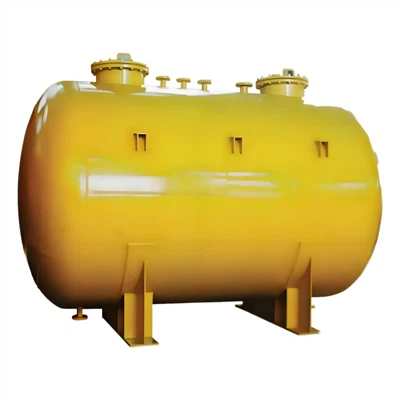
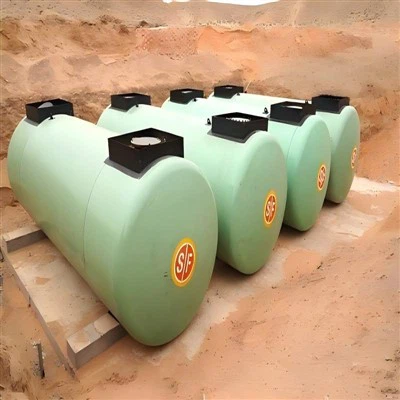
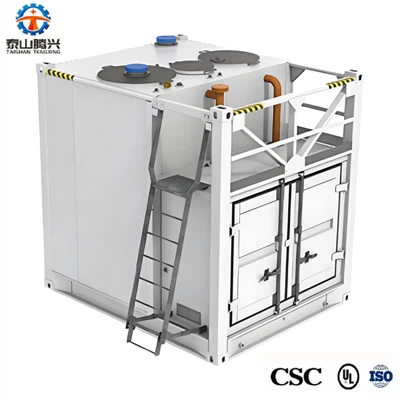
First off, let's talk about the basics. We've got different types of portable fuel stations, like the Portable Diesel Station, Portable Gasoline Station, and Mobile Filling Station. Each of these has its own features, but they all share some common challenges when it comes to windy weather.
One of the biggest issues with wind is its impact on the stability of the portable fuel station. These stations are designed to be mobile, which means they're not always as heavy or as firmly rooted as a traditional, stationary fuel station. Strong winds can push and shake the station, potentially causing it to tip over. This is a huge safety hazard, not just for the equipment but also for anyone nearby. A tipped - over fuel station could lead to fuel spills, which are not only bad for the environment but can also cause fires or explosions.
To combat this, our portable fuel stations are built with stability in mind. We use heavy - duty frames and low - center - of - gravity designs. This helps to keep the station firmly on the ground even when the wind starts to blow. Some of our models also come with optional stabilizers or anchoring systems. These can be attached to the ground or a fixed structure to provide extra support during windy conditions.
Another problem wind can cause is related to the fuel dispensing process. When it's windy, the fuel can be affected by the air movement. For example, if the wind is blowing strongly across the nozzle, it can disrupt the flow of fuel. This might result in uneven dispensing or even cause the fuel to splatter outside of the tank. This not only wastes fuel but can also create a slippery and dangerous surface around the fueling area.
Our engineers have worked hard to design nozzles that are more resistant to wind interference. The nozzles are shaped and sized to minimize the impact of air movement on the fuel flow. They also have built - in anti - splash features that help to keep the fuel inside the tank where it belongs. Additionally, we recommend using a shield or a windbreak around the fueling area when possible. This can help to reduce the direct impact of the wind on the fueling process.
The ventilation system of the portable fuel station can also be affected by the wind. Proper ventilation is crucial to prevent the build - up of fuel vapors, which can be explosive. Strong winds can either blow too much air through the ventilation system, causing it to work inefficiently, or block the vents altogether, leading to a dangerous accumulation of vapors.
We've designed our ventilation systems to be adjustable. They can adapt to different wind conditions to ensure that the right amount of air is flowing through the station at all times. Some models also have backup ventilation options in case the primary vents are blocked by the wind.
Now, let's talk about the impact of wind on the temperature of the fuel. Wind can cause rapid cooling of the fuel and the components of the fuel station. This is especially important for diesel fuel, which can thicken in cold temperatures. If the fuel thickens too much, it can clog the filters and the fuel lines, preventing the proper operation of the station.
Our portable fuel stations are equipped with temperature - regulating systems. These systems help to keep the fuel at an optimal temperature, even when the wind is causing the outside temperature to drop. This ensures that the fuel flows smoothly through the system and that the station can operate efficiently in all weather conditions.
In addition to the technical aspects, we also provide training and support to our customers. We want to make sure that everyone who uses our portable fuel stations knows how to operate them safely in windy conditions. Our training programs cover topics like proper setup, maintenance, and what to do in case of an emergency.
We also keep an eye on the weather forecast. If we know that a strong wind event is coming, we can provide our customers with additional advice and support. For example, we might recommend that they move the fuel station to a more sheltered location or take extra precautions with the anchoring system.
When it comes to performance in windy conditions, our portable fuel stations have been tested rigorously. We've conducted wind tunnel tests and real - world trials to make sure that they can handle all sorts of weather situations. The results have been really positive. Our customers have reported that our stations perform well even in high - wind areas, with minimal disruptions to their operations.
If you're in the market for a portable fuel station, don't let the thought of windy conditions scare you off. Our products are designed to be reliable and safe, no matter what Mother Nature throws at them. Whether you need a Portable Diesel Station, Portable Gasoline Station, or Mobile Filling Station, we've got you covered.


If you have any questions or want to learn more about our products, don't hesitate to reach out. We're always here to help you find the right portable fuel station for your needs and to ensure that you can use it safely and efficiently, even in the windiest of conditions.
References:
- Industry standards for portable fuel station design and safety
- Internal research and development reports on wind - related challenges and solutions
- Customer feedback and real - world performance data from portable fuel station users