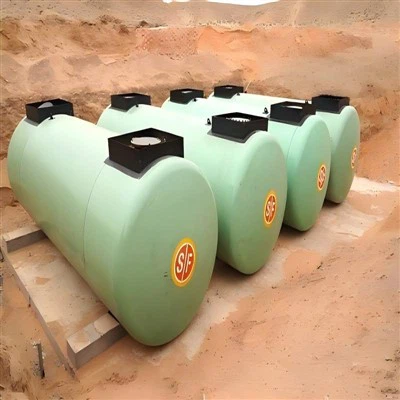
As a fuel tank supplier, I understand the importance of proper fuel tank storage when it's not in use. Whether you're dealing with an Above Ground Diesel Tank, an Underground Diesel Tank, or an Above Ground Gasoline Fuel Tank, the right storage methods can significantly extend the tank's lifespan and ensure its safety.
1. Pre - storage Preparation
Before storing a fuel tank, a thorough cleaning is essential. First, drain all the remaining fuel from the tank. This step is crucial because leftover fuel can degrade over time, leading to the formation of sludge and sediment. These substances can corrode the tank from the inside, reducing its structural integrity.
Once the tank is empty, use a suitable cleaning agent to wash the interior. Make sure to follow the manufacturer's instructions for the cleaning agent. After cleaning, rinse the tank multiple times with clean water to remove any traces of the cleaning agent.
Inspect the tank for any signs of damage, such as dents, cracks, or rust. Minor dents can often be repaired, but if there are significant cracks or extensive rust, it may be necessary to replace the tank. Check the fittings, valves, and gauges as well. Replace any damaged components to prevent leaks during storage.
2. Choosing the Right Storage Location
The storage location plays a vital role in the preservation of the fuel tank. For above - ground fuel tanks, select a dry, well - ventilated area. Avoid areas prone to flooding or where water can accumulate. Standing water can cause rust on the exterior of the tank.
If you're storing an underground fuel tank, ensure that the soil around the tank is stable and well - drained. The tank should be placed in a location where it won't be subject to excessive pressure or movement. Underground tanks are more susceptible to corrosion due to the moisture in the soil, so proper protection is crucial.
Keep the tank away from sources of heat and ignition. Fuel is highly flammable, and any spark or high - temperature source can pose a significant risk. A storage area that is far from machinery, electrical equipment, and open flames is ideal.
3. Protecting the Tank from the Elements
Exposure to sunlight, rain, and snow can have a negative impact on the fuel tank. For above - ground tanks, consider using a protective cover. A high - quality cover can shield the tank from UV rays, which can cause the tank's paint to fade and the material to degrade over time. It also protects the tank from rain and snow, preventing water from pooling on the tank's surface.
If the tank is made of metal, apply a rust - resistant coating. This coating acts as a barrier between the metal and the environment, reducing the risk of rust formation. For plastic tanks, make sure they are stored in a location where they won't be exposed to extreme temperatures, as this can cause the plastic to become brittle.
4. Maintaining the Tank During Storage
Even when the tank is not in use, it's important to perform regular maintenance. Check the tank periodically for any signs of damage or deterioration. Inspect the seals and gaskets to ensure they are still in good condition. If any seals are damaged, replace them immediately to prevent leaks.
For underground tanks, monitor the soil around the tank for any signs of subsidence or waterlogging. If the soil around the tank is shifting, it could put stress on the tank and cause damage.
If the tank has a vent, make sure it is clear and unobstructed. A blocked vent can cause pressure to build up inside the tank, which can lead to leaks or even an explosion.
5. Safety Considerations
Safety should always be a top priority when storing a fuel tank. Make sure that the storage area is clearly marked with appropriate safety signs. These signs should indicate that the area contains a fuel tank and provide information about the potential hazards.
Keep a fire extinguisher nearby in case of an emergency. Make sure that anyone who has access to the storage area is aware of the location and proper use of the fire extinguisher.
If you're storing multiple fuel tanks, ensure that they are spaced apart to prevent a chain reaction in case of a fire or explosion.
6. Documentation and Record - keeping
Maintain detailed records of the tank's storage. This includes information such as the date of storage, the condition of the tank at the time of storage, and any maintenance or inspections performed during storage. These records can be valuable in case of any future issues with the tank.
7. Re - commissioning the Tank
When it's time to use the tank again, a thorough inspection is necessary. Check the tank for any signs of damage that may have occurred during storage. Test the fittings, valves, and gauges to ensure they are working properly.
If the tank has been stored for an extended period, it may be necessary to clean it again before refilling it with fuel. This will help to remove any dust or debris that may have accumulated inside the tank.


Conclusion
Proper storage of a fuel tank when not in use is essential for its longevity and safety. By following these best practices, you can ensure that your fuel tank remains in good condition and is ready for use when needed.
If you're in the market for a high - quality fuel tank, whether it's an Above Ground Diesel Tank, an Underground Diesel Tank, or an Above Ground Gasoline Fuel Tank, we are here to assist you. Our team of experts can provide you with the right tank for your needs and offer guidance on proper storage and maintenance. Contact us to start a procurement discussion and find the perfect fuel tank solution for your requirements.
References
- American Petroleum Institute (API). Recommended Practices for Storage Tank Installation and Maintenance.
- National Fire Protection Association (NFPA). Codes and Standards for Fuel Storage.
- Manufacturer's manuals for fuel tanks.