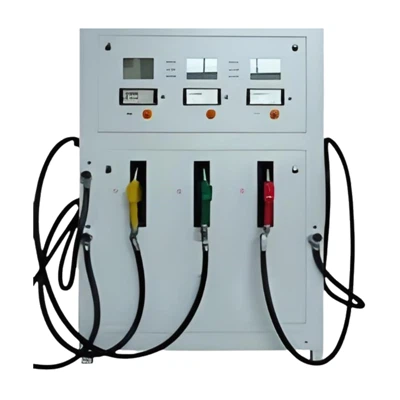
In the dynamic landscape of the fuel industry, mobile filling stations have emerged as a revolutionary solution, offering unparalleled convenience and flexibility. As a seasoned supplier of Mobile Filling Station, I have witnessed firsthand the transformative impact these stations have on various sectors, from construction sites to remote mining operations. However, like any business venture, mobile filling station operators face a unique set of challenges that require careful navigation and strategic planning. In this blog post, I will delve into the key challenges faced by mobile filling station operators and explore potential solutions to overcome them.
Regulatory Compliance
One of the most significant challenges faced by mobile filling station operators is navigating the complex web of regulatory requirements. These stations are subject to a wide range of local, state, and federal regulations, covering everything from safety standards and environmental protection to licensing and permitting. Ensuring compliance with these regulations is not only a legal obligation but also crucial for maintaining the safety and integrity of the operation.
For instance, mobile filling stations must adhere to strict safety standards to prevent fuel spills, fires, and explosions. This includes installing proper storage tanks, pumps, and dispensing equipment, as well as implementing regular maintenance and inspection procedures. Additionally, operators must comply with environmental regulations to minimize the impact of fuel operations on the surrounding ecosystem. This may involve implementing spill prevention and response plans, monitoring air and water quality, and properly disposing of waste materials.
Obtaining the necessary licenses and permits can also be a time-consuming and costly process. Operators must apply for various permits, such as fuel storage permits, transportation permits, and business licenses, and ensure that they meet all the requirements set by the regulatory authorities. Failure to comply with these regulations can result in hefty fines, legal penalties, and even the suspension or revocation of the operator's license.
To overcome these challenges, mobile filling station operators must stay up-to-date with the latest regulatory requirements and ensure that their operations are fully compliant. This may involve hiring a compliance officer or consulting with a regulatory expert to navigate the complex regulatory landscape. Additionally, operators should invest in training and education programs for their employees to ensure that they are aware of the safety and environmental regulations and are trained to operate the equipment safely and efficiently.
Safety and Security
Safety and security are paramount concerns for mobile filling station operators. These stations handle highly flammable and hazardous materials, making them vulnerable to accidents, theft, and vandalism. Ensuring the safety of employees, customers, and the surrounding community is not only a moral obligation but also essential for the long-term success of the business.
One of the primary safety challenges faced by mobile filling station operators is preventing fuel spills and leaks. Fuel spills can have serious environmental and health consequences, as well as financial implications for the operator. To prevent spills, operators must implement proper storage and handling procedures, such as using double-walled tanks, installing spill containment systems, and conducting regular inspections and maintenance. Additionally, operators should train their employees on spill response procedures and ensure that they have access to the necessary equipment and resources to respond quickly and effectively to a spill.


Another safety concern is the risk of fires and explosions. Mobile filling stations are equipped with pumps, motors, and other electrical equipment that can generate sparks and heat, increasing the risk of fire. To prevent fires and explosions, operators must ensure that all electrical equipment is properly installed and maintained, and that they have adequate fire suppression systems in place. Additionally, operators should implement strict safety protocols, such as prohibiting smoking and the use of open flames in the vicinity of the station.
Security is also a major concern for mobile filling station operators. These stations are often located in remote or unsecured areas, making them vulnerable to theft and vandalism. To prevent theft and vandalism, operators must implement proper security measures, such as installing surveillance cameras, fencing, and access control systems. Additionally, operators should train their employees on security procedures and ensure that they are aware of the potential risks and how to respond to them.
To address these safety and security challenges, mobile filling station operators must invest in high-quality equipment and technology, implement strict safety and security protocols, and provide regular training and education for their employees. Additionally, operators should work closely with local law enforcement agencies and emergency responders to develop emergency response plans and ensure that they are prepared to handle any potential incidents.
Logistics and Supply Chain Management
Logistics and supply chain management are critical aspects of mobile filling station operations. These stations rely on a steady supply of fuel to meet the needs of their customers, and any disruptions in the supply chain can have a significant impact on the business. Ensuring the timely and efficient delivery of fuel is essential for maintaining customer satisfaction and maximizing profitability.
One of the primary challenges faced by mobile filling station operators is managing the logistics of fuel delivery. These stations are often located in remote or hard-to-reach areas, making it difficult to transport fuel to the site. Additionally, operators must coordinate with multiple suppliers and carriers to ensure that they have a reliable supply of fuel at all times. This may involve negotiating contracts with suppliers, managing inventory levels, and scheduling deliveries to meet the demand.
Another challenge is managing the supply chain risks. The fuel industry is subject to a wide range of risks, such as price fluctuations, supply disruptions, and regulatory changes. These risks can have a significant impact on the profitability of the mobile filling station operation. To mitigate these risks, operators must develop a comprehensive supply chain management strategy that includes risk assessment, contingency planning, and supplier diversification.
To overcome these logistics and supply chain challenges, mobile filling station operators must invest in advanced technology and systems to improve the efficiency and visibility of their operations. This may include using GPS tracking systems to monitor the location and status of fuel deliveries, implementing inventory management software to optimize inventory levels, and using data analytics to forecast demand and identify potential supply chain risks. Additionally, operators should work closely with their suppliers and carriers to develop strong partnerships and ensure that they have a reliable and efficient supply chain in place.
Customer Service and Marketing
Providing excellent customer service and effective marketing are essential for the success of any business, and mobile filling station operators are no exception. These stations rely on repeat customers and positive word-of-mouth referrals to grow their business, and providing a high level of customer service is crucial for building customer loyalty and trust.
One of the primary challenges faced by mobile filling station operators is providing convenient and reliable service. These stations are often located in remote or hard-to-reach areas, making it difficult for customers to access them. Additionally, operators must ensure that they have a sufficient supply of fuel at all times to meet the demand. To overcome these challenges, operators must invest in advanced technology and systems to improve the efficiency and visibility of their operations. This may include using mobile apps to allow customers to locate the nearest station, check fuel prices, and place orders, as well as implementing real-time inventory management systems to ensure that they have a sufficient supply of fuel at all times.
Another challenge is differentiating the business from competitors. The mobile filling station market is highly competitive, and operators must find ways to stand out from the crowd and attract customers. This may involve offering unique services or products, such as fuel additives or lubricants, as well as providing exceptional customer service and competitive pricing. Additionally, operators should invest in marketing and advertising to increase brand awareness and attract new customers.
To address these customer service and marketing challenges, mobile filling station operators must focus on providing a high level of customer service and developing a strong brand identity. This may involve training employees on customer service skills, implementing customer feedback mechanisms, and offering loyalty programs and incentives to encourage repeat business. Additionally, operators should invest in marketing and advertising to increase brand awareness and attract new customers. This may include using social media, email marketing, and traditional advertising channels to reach a wider audience.
Conclusion
In conclusion, mobile filling station operators face a unique set of challenges that require careful navigation and strategic planning. From regulatory compliance and safety and security to logistics and supply chain management and customer service and marketing, these challenges can have a significant impact on the success of the business. However, by investing in high-quality equipment and technology, implementing strict safety and security protocols, developing a comprehensive supply chain management strategy, and focusing on providing a high level of customer service and effective marketing, mobile filling station operators can overcome these challenges and achieve long-term success.
If you are interested in learning more about our Mobile Filling Station solutions or would like to discuss your specific requirements, please do not hesitate to contact us. We would be happy to provide you with more information and help you find the right solution for your business.
References
- "Fueling the Future: The Rise of Mobile Filling Stations." Fuel & Lubricants Magazine, Vol. 23, No. 4, 2022.
- "Safety and Security Guidelines for Mobile Filling Stations." National Fire Protection Association, 2021.
- "Regulatory Compliance for Mobile Filling Stations." Environmental Protection Agency, 2020.
- "Logistics and Supply Chain Management in the Fuel Industry." Journal of Supply Chain Management, Vol. 18, No. 2, 2019.
- "Customer Service and Marketing Strategies for Mobile Filling Stations." Marketing Journal, Vol. 32, No. 3, 2018.