As a seasoned fuel tank supplier, I've witnessed firsthand the challenges and concerns related to fuel evaporation from tanks. Fuel evaporation not only leads to significant financial losses but also poses environmental risks and safety hazards. In this blog post, I'll share some effective strategies on how to prevent fuel evaporation from the tank, drawing on my years of experience in the industry.
Understanding the Causes of Fuel Evaporation
Before delving into prevention methods, it's crucial to understand what causes fuel evaporation. Fuel evaporation occurs due to a combination of factors, including temperature, pressure, and the volatility of the fuel itself. When the temperature rises, the fuel molecules gain energy and become more likely to escape from the liquid phase into the gas phase. Additionally, changes in pressure, such as when the tank is filled or emptied, can also cause fuel to evaporate.


Choose the Right Fuel Tank
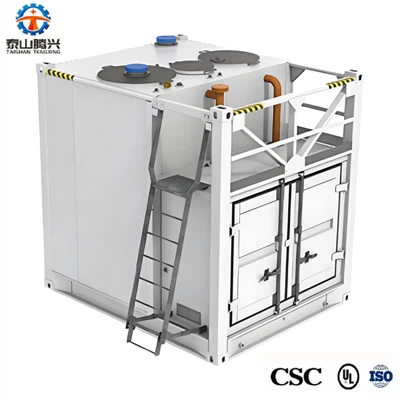
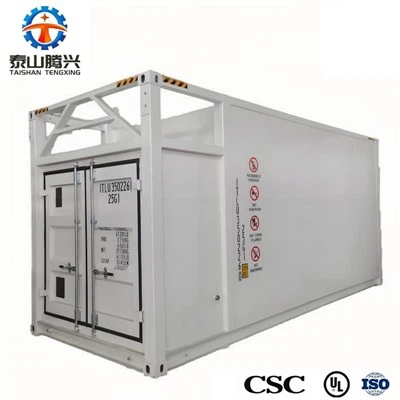
The type of fuel tank you choose plays a significant role in preventing fuel evaporation. A high - quality, well - sealed fuel tank can significantly reduce the rate of evaporation. For diesel storage, a Diesel Storage Tank designed with advanced sealing technology can keep the fuel secure and minimize evaporation. Similarly, a Fuel Storage Tank that is specifically engineered to withstand different environmental conditions and pressures is essential.
When selecting a fuel tank, look for tanks made from materials that are resistant to corrosion and have a low permeability to fuel vapors. Stainless steel and high - density polyethylene are popular choices as they offer excellent durability and can prevent fuel from seeping through the tank walls.
Proper Installation and Maintenance
Proper installation of the fuel tank is crucial for preventing evaporation. The tank should be installed on a level surface to ensure that the seals are not compromised. All connections, such as pipes, valves, and vents, should be tightly sealed to prevent any leakage of fuel vapors.
Regular maintenance is also essential. Inspect the tank and its components regularly for signs of wear and tear, such as cracks, loose fittings, or damaged seals. Replace any worn - out parts immediately to maintain the integrity of the tank. Check the venting system to ensure that it is functioning correctly. A blocked or malfunctioning vent can cause pressure to build up inside the tank, leading to increased evaporation.
Temperature Control
As mentioned earlier, temperature is a major factor in fuel evaporation. To reduce evaporation, it's important to control the temperature of the fuel tank. One way to do this is by installing the tank in a shaded area. If this is not possible, you can use insulation materials to cover the tank. Insulation helps to keep the tank cool by reducing the amount of heat absorbed from the surrounding environment.
In some cases, you may also consider using a cooling system. For large - scale fuel storage facilities, refrigeration units can be installed to maintain a low and stable temperature inside the tank. However, this option is more expensive and may not be practical for small - scale applications.
Use of Vapor Recovery Systems
Vapor recovery systems are an effective way to prevent fuel evaporation. These systems capture the fuel vapors that are released during the filling and storage process and return them to the tank. There are two main types of vapor recovery systems: Stage I and Stage II.
Stage I vapor recovery systems are used during the refueling of storage tanks at fuel terminals. These systems capture the vapors displaced from the storage tank when it is being filled with fuel. Stage II vapor recovery systems are used at gasoline stations to capture the vapors released when vehicles are being refueled.
By installing a vapor recovery system, you can significantly reduce the amount of fuel vapors released into the atmosphere, saving money and protecting the environment.
Fill the Tank Properly
The way you fill the fuel tank can also affect evaporation. Avoid overfilling the tank, as this can cause fuel to spill and increase the risk of evaporation. When filling the tank, do it slowly to allow the vapors to escape gradually. This reduces the pressure build - up inside the tank and minimizes evaporation.
It's also a good idea to fill the tank during cooler times of the day, such as early morning or late evening. The lower temperatures during these times reduce the volatility of the fuel, resulting in less evaporation.
Monitoring and Leak Detection
Implement a monitoring system to keep track of the fuel level and the presence of any leaks in the tank. There are various types of monitoring devices available, including level sensors and leak detection sensors. These sensors can alert you immediately if there is a significant change in the fuel level or if a leak is detected.
Regularly check the tank for any signs of leakage, such as a strong smell of fuel or wet spots around the tank. If a leak is detected, take immediate action to repair it. Ignoring a leak can not only lead to increased evaporation but also pose a serious safety hazard.
Employee Training
If you have employees who are responsible for handling the fuel tanks, it's important to provide them with proper training. They should be educated on the importance of preventing fuel evaporation and the correct procedures for handling the tanks. Training should include topics such as proper installation, maintenance, filling, and safety protocols.
Well - trained employees are more likely to follow the correct procedures, which can help to reduce the risk of fuel evaporation and ensure the safe operation of the fuel storage system.
Conclusion
Preventing fuel evaporation from the tank is essential for financial, environmental, and safety reasons. By choosing the right fuel tank, ensuring proper installation and maintenance, controlling the temperature, using vapor recovery systems, filling the tank properly, monitoring for leaks, and training employees, you can significantly reduce the amount of fuel that evaporates.
As a fuel tank supplier, I'm committed to providing high - quality fuel tanks and solutions to help you prevent fuel evaporation. If you're interested in learning more about our products or have any questions about preventing fuel evaporation, please feel free to contact us. We're here to assist you in finding the best fuel storage solutions for your needs.
References
- "Fuel Tank Design and Installation Guidelines" - Industry Standard Publication
- "The Impact of Temperature on Fuel Evaporation" - Journal of Fuel Science and Technology
- "Vapor Recovery Systems: A Guide to Implementation" - Environmental Protection Agency Publication