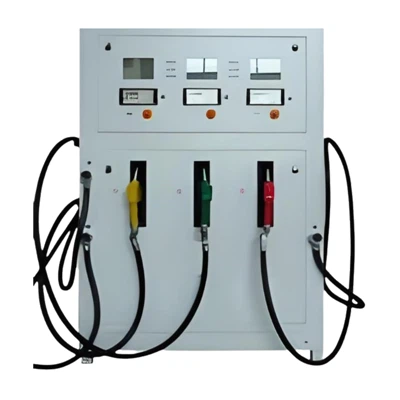
As a seasoned supplier of Mini Diesel Stations, I've witnessed firsthand the various challenges these compact powerhouses can face. In this blog post, I'll delve into the common failures of Mini Diesel Stations, offering insights based on years of experience in the industry.
1. Fuel - Related Failures
Contaminated Fuel
One of the most prevalent issues with Mini Diesel Stations is fuel contamination. Diesel fuel can become contaminated with water, dirt, or other foreign particles during storage or transportation. Water in the fuel can lead to corrosion within the fuel system, including the fuel tank, injectors, and pumps. Dirt and debris can clog fuel filters, reducing fuel flow and causing the engine to run inefficiently or even stall.
For example, if the storage tank at the Mini Diesel Station is not properly sealed, rainwater can seep in over time. This water can then mix with the diesel fuel, leading to microbial growth. These microorganisms can form sludges that block fuel lines and filters. To mitigate this, regular fuel quality checks and proper storage tank maintenance are essential.
Fuel Filter Blockage
Fuel filters play a crucial role in ensuring that only clean fuel reaches the engine. Over time, these filters can become clogged with dirt, rust, and other contaminants. A blocked fuel filter restricts the flow of fuel to the engine, resulting in reduced power output, rough idling, and in severe cases, engine failure.
Regularly replacing fuel filters according to the manufacturer's recommendations is a simple yet effective way to prevent this issue. Most Mini Diesel Stations come with a maintenance schedule that specifies when the fuel filter should be changed. Ignoring this schedule can lead to costly repairs down the line.
2. Electrical System Failures
Battery Issues
The battery is the heart of the electrical system in a Mini Diesel Station. A weak or dead battery can prevent the engine from starting. Over time, batteries can lose their charge - holding capacity due to factors such as age, overcharging, or undercharging. Extreme temperatures can also have a significant impact on battery performance.
In cold weather, the chemical reactions within the battery slow down, reducing its ability to deliver power. On the other hand, high temperatures can cause the battery fluid to evaporate, leading to internal damage. Regular battery inspections, including checking the electrolyte level and terminal connections, can help identify potential problems early.
Alternator Failures
The alternator is responsible for charging the battery while the engine is running. If the alternator fails, the battery will not receive a charge, and eventually, the electrical system will run out of power. Symptoms of an alternator failure include dimming lights, a warning light on the dashboard, and difficulty starting the engine.
Alternator failures can be caused by worn - out brushes, a faulty voltage regulator, or damaged windings. Regular maintenance, such as checking the alternator belt tension and inspecting the electrical connections, can help prevent these issues.
3. Cooling System Failures
Coolant Leaks
The cooling system in a Mini Diesel Station is essential for maintaining the engine's optimal operating temperature. Coolant leaks can occur due to a variety of reasons, including damaged hoses, a faulty radiator, or a cracked engine block. A coolant leak can lead to overheating, which can cause severe damage to the engine.

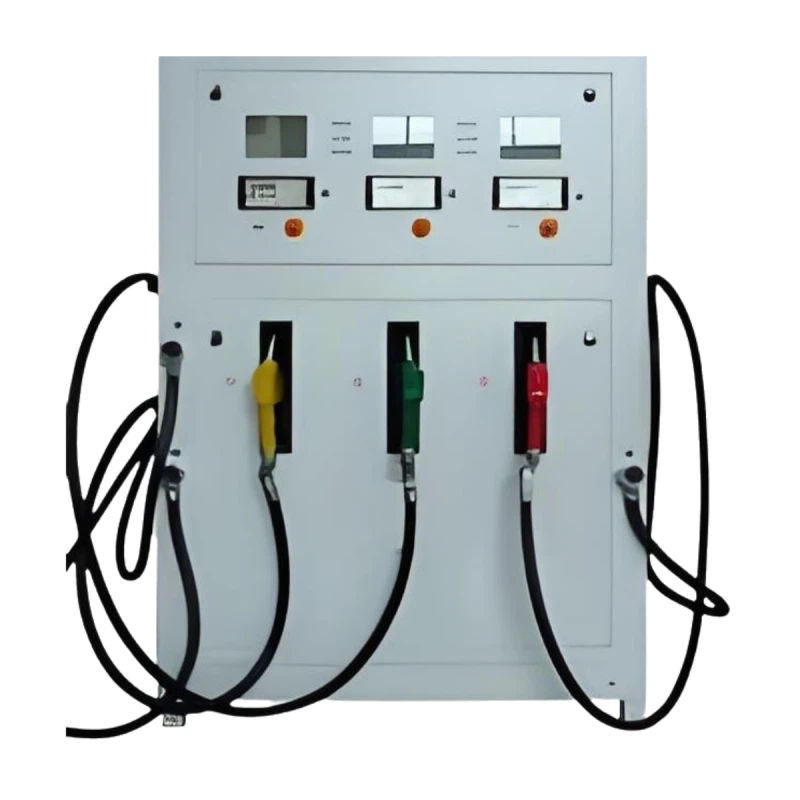
Inspecting the cooling system regularly for signs of leaks, such as puddles under the Mini Diesel Station or a low coolant level, is crucial. If a leak is detected, it should be repaired immediately to prevent further damage.
Radiator Blockage
The radiator is responsible for dissipating heat from the coolant. Over time, the radiator can become blocked with dirt, debris, and rust. A blocked radiator reduces the cooling efficiency of the system, leading to overheating.
Regularly cleaning the radiator and ensuring proper airflow around it can help prevent blockages. In some cases, a radiator flush may be necessary to remove stubborn deposits.
4. Engine Mechanical Failures
Lubrication Issues
Proper lubrication is vital for the smooth operation of the engine. Insufficient lubrication can cause increased friction between moving parts, leading to wear and tear. This can result in engine noise, reduced power output, and eventually, engine failure.
Using the correct type and grade of engine oil and changing it at the recommended intervals is essential. Additionally, checking the oil level regularly and looking for signs of oil contamination, such as a milky appearance, can help identify potential lubrication issues.
Timing Belt or Chain Problems
The timing belt or chain is responsible for synchronizing the rotation of the engine's camshaft and crankshaft. If the timing belt or chain breaks or slips, the engine's valves and pistons can collide, causing significant damage.
Most manufacturers recommend replacing the timing belt or chain at a specific mileage or time interval. Ignoring this recommendation can lead to catastrophic engine failure.
5. Exhaust System Failures
Catalytic Converter Issues
The catalytic converter is an important component of the exhaust system that reduces harmful emissions. Over time, the catalytic converter can become clogged or damaged, leading to reduced engine performance and increased emissions.
A clogged catalytic converter can restrict the flow of exhaust gases, causing back - pressure in the engine. This can result in reduced power, poor fuel economy, and a rough idle. Regular inspections and maintenance of the exhaust system can help detect catalytic converter issues early.
Exhaust Leaks
Exhaust leaks can occur due to damaged exhaust pipes, gaskets, or mufflers. An exhaust leak can not only be a safety hazard due to the release of toxic gases but also affect the engine's performance. A leak in the exhaust system can disrupt the proper flow of exhaust gases, leading to reduced power and increased fuel consumption.
Inspecting the exhaust system regularly for signs of leaks, such as a hissing sound or a strong smell of exhaust fumes, is important. Any leaks should be repaired promptly to ensure the safe and efficient operation of the Mini Diesel Station.
Addressing Common Failures and Why Choose Our Mini Diesel Stations
At our company, we understand the importance of reliability and performance when it comes to Mini Diesel Stations. We offer high - quality Mini Diesel Stations that are designed to minimize the risk of these common failures. Our stations are built with robust components and undergo rigorous testing to ensure they meet the highest standards.
We also provide comprehensive after - sales support, including maintenance services and spare parts supply. Our team of experienced technicians can help you diagnose and fix any issues that may arise with your Mini Diesel Station.
If you're in the market for a Mini Diesel Station or need to replace an existing one, we invite you to explore our range of products. Visit our website Mini Diesel Station to learn more about our offerings. We also have a Mini Petrol Station option for those with different requirements.
Contact us today to start a conversation about your specific needs. Our sales team is ready to assist you in finding the perfect Mini Diesel Station solution for your business.
References
- Diesel Engine Handbook, Edited by Horst B. Heisler
- Automotive Electrical and Electronic Systems, Third Edition, by William H. Crouse and Donald L. Anglin
- Cooling System Design Handbook for Internal Combustion Engines, by John Heywood