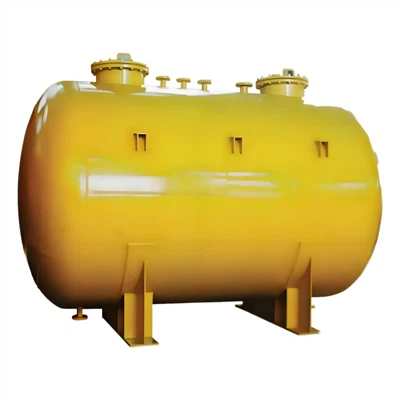
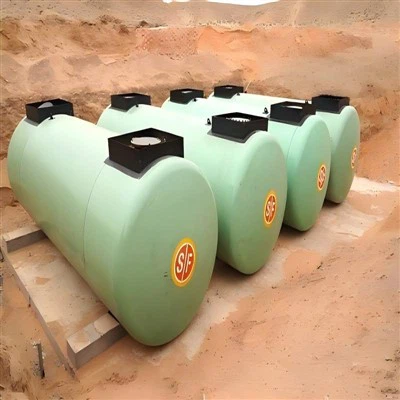
As a supplier of Underground Diesel Tank, I often receive inquiries from customers about the possibility of moving an underground diesel tank. This is a complex question that involves various factors, including safety, regulations, and technical feasibility. In this blog post, I will delve into these aspects to provide a comprehensive answer.
Safety Considerations
Safety is the top priority when it comes to moving an underground diesel tank. Diesel is a flammable liquid, and any mishandling during the moving process can lead to serious accidents, such as fires and explosions. Therefore, it is crucial to follow strict safety protocols.
Emptying the Tank
Before moving the tank, it must be completely emptied of diesel. This involves pumping out all the remaining fuel and ensuring that there are no residues. Residual diesel can pose a significant safety risk during the moving process, as it can ignite if exposed to heat or sparks.
Ventilation
Proper ventilation is essential to prevent the accumulation of diesel vapors. Diesel vapors are not only flammable but also toxic. Adequate ventilation helps to disperse these vapors and reduce the risk of explosion and inhalation hazards.


Ground Conditions
The ground conditions around the tank also play a crucial role in ensuring safety. The area where the tank is located should be stable and free from any potential hazards, such as sinkholes or unstable soil. Moving a tank on unstable ground can cause it to tip over or rupture, leading to a spill.
Regulatory Requirements
Moving an underground diesel tank is subject to various regulations at the local, state, and federal levels. These regulations are in place to protect the environment and public safety.
Permits
In most cases, you will need to obtain a permit from the relevant authorities before moving an underground diesel tank. The permit application process typically involves submitting detailed plans and specifications for the move, including information about the tank's location, size, and the proposed new location.
Environmental Impact
Regulatory agencies are also concerned about the environmental impact of moving an underground diesel tank. Diesel spills can contaminate soil and groundwater, posing a threat to the environment and human health. Therefore, you may be required to conduct an environmental assessment before and after the move to ensure that there are no spills or contamination.
Compliance with Standards
The tank must also comply with all relevant safety and construction standards. This includes standards for the tank's design, installation, and maintenance. Moving a non - compliant tank can result in fines and legal issues.
Technical Feasibility
From a technical perspective, moving an underground diesel tank is a challenging task that requires specialized equipment and expertise.
Size and Weight
Underground diesel tanks can be quite large and heavy, especially those used in commercial or industrial settings. Moving a large tank requires heavy - duty equipment, such as cranes and forklifts. The equipment must be capable of lifting and transporting the tank safely without causing damage.
Connection and Disconnection
The tank is usually connected to various pipes, valves, and monitoring systems. Disconnecting and reconnecting these components requires technical knowledge and skills. Any improper connection can lead to leaks and malfunctions.
Structural Integrity
During the moving process, the tank's structural integrity must be maintained. The tank may have been in the ground for a long time, and it may have been exposed to corrosion and other forms of damage. A thorough inspection of the tank's structure is necessary before and after the move to ensure that it is still safe to use.
Benefits of Moving an Underground Diesel Tank
Despite the challenges, there are several reasons why a customer might want to move an underground diesel tank.
Site Redevelopment
If the site where the tank is located is being redeveloped, the tank may need to be moved to make way for new construction. For example, a company may decide to expand its facilities and need to relocate the tank to a different area of the property.
Regulatory Changes
Sometimes, regulatory changes may require the relocation of an underground diesel tank. For instance, new regulations may require the tank to be located at a certain distance from a building or a water source.
Improved Accessibility
Moving the tank to a more accessible location can make it easier to maintain and refill. This can save time and money in the long run.
Our Role as a Supplier
As a supplier of Underground Diesel Tank, we understand the complexities involved in moving an underground diesel tank. We offer a range of services to assist our customers in this process.
Consultation
We provide consultation services to help our customers understand the regulatory requirements and technical challenges associated with moving a tank. Our experts can review the site conditions and provide recommendations on the best approach for the move.
Tank Inspection
We offer tank inspection services to assess the tank's structural integrity and compliance with standards. This helps to identify any potential issues before the move and ensures that the tank is safe to relocate.
Equipment and Installation
We can also provide the necessary equipment and installation services for the new location. Our team of experienced technicians can handle the disconnection, transportation, and re - installation of the tank and its associated components.
Conclusion
In conclusion, an underground diesel tank can be moved, but it is a complex process that requires careful planning, adherence to safety and regulatory requirements, and technical expertise. As a supplier, we are committed to helping our customers navigate this process safely and efficiently.
If you are considering moving an underground diesel tank, we encourage you to contact us for a consultation. Our team of experts can provide you with the information and support you need to make an informed decision. Whether you need assistance with permits, tank inspection, or installation, we are here to help. Let's work together to ensure a successful and safe relocation of your underground diesel tank.
References
- Local, state, and federal regulations regarding underground fuel tank installation and relocation.
- Industry standards for underground diesel tank design, construction, and maintenance.
- Technical literature on the handling and transportation of flammable liquids.