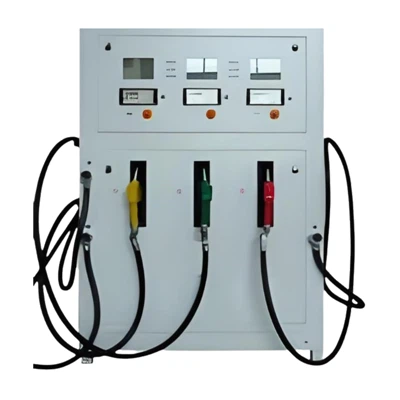
Hey there! As a supplier of mini filling stations, I've seen firsthand how important fire prevention is. Mini filling stations, whether Mini Diesel Station or Mini Petrol Station, deal with highly flammable substances every day. So, in this blog, I'm gonna share some key fire - prevention measures that every mini filling station should take.
1. Proper Site Selection and Design
First off, the location of a mini filling station matters a whole lot. It should be far away from residential areas, schools, hospitals, and other public places. This reduces the risk of a fire spreading and causing harm to a large number of people. Also, the area around the station should be flat and well - drained to prevent the accumulation of fuel in case of a spill.


When it comes to the design of the station, it's crucial to have proper ventilation. The storage tanks and dispensing areas should be well - ventilated to prevent the build - up of flammable vapors. Good ventilation helps to disperse the vapors, reducing the chances of an explosion. And don't forget about the layout. There should be clear separation between the storage area, the dispensing area, and other facilities like the office and the convenience store. This separation can slow down the spread of fire if one area catches on.
2. Quality Equipment Installation and Maintenance
The equipment at a mini filling station is the heart of the operation, and it has to be top - notch. All the storage tanks, pipes, pumps, and dispensers should be made of high - quality materials that can withstand the pressure and the corrosive nature of the fuel. For example, the storage tanks should be made of corrosion - resistant steel and have proper coatings to prevent rust.
Regular maintenance is a must. Inspect the equipment frequently for any signs of wear and tear, leaks, or damage. Check the pipes for cracks, the pumps for proper functioning, and the dispensers for accurate metering. Any faulty equipment should be repaired or replaced immediately. A small leak can turn into a big fire hazard if not addressed in time.
3. Employee Training
Your employees are the front - line defenders against fires at the mini filling station. They need to be well - trained in fire - prevention and fire - fighting techniques. Training should cover topics like how to handle fuel safely, how to detect potential fire hazards, and what to do in case of a fire.
Employees should know how to operate the fire - fighting equipment, such as fire extinguishers and fire hoses. They should also be trained to follow safety procedures when dispensing fuel, like grounding the dispensing nozzle to prevent static electricity from causing a spark. And in case of an emergency, they need to know the evacuation procedures and how to alert the relevant authorities.
4. Strict Safety Rules and Regulations
A mini filling station has to have a set of strict safety rules and regulations, and everyone who enters the station should follow them. No smoking or open flames are allowed anywhere on the premises. This includes not just cigarettes but also things like lighters, matches, and welding equipment.
Customers should be instructed to turn off their engines before refueling. Static electricity can build up in a running engine, and a spark can ignite the fuel vapors. Also, there should be a limit on the amount of fuel that can be stored at the station at any given time. This reduces the potential damage in case of a fire.
5. Fire - Fighting Equipment and Emergency Response Plan
Having the right fire - fighting equipment is essential. Every mini filling station should be equipped with fire extinguishers of the appropriate type for the fuel they handle. For example, dry chemical fire extinguishers are good for extinguishing fuel fires. There should also be fire hoses and hydrants in case of a larger fire.
An emergency response plan is equally important. The plan should outline the steps to be taken in case of a fire, including who to call, how to evacuate the station, and how to contain the fire. Regular fire drills should be conducted to ensure that all employees are familiar with the plan and can respond quickly and effectively in an emergency.
6. Monitoring and Detection Systems
Installing monitoring and detection systems can give you an early warning of a potential fire. Smoke detectors and heat sensors can be placed in strategic locations around the station, such as in the storage area and the dispensing area. These sensors can detect the presence of smoke or an increase in temperature, which could indicate a fire.
There should also be a system to monitor the fuel levels in the storage tanks. A sudden drop in fuel level could be a sign of a leak, which is a fire hazard. And if possible, install a CCTV system to keep an eye on the station 24/7. This can help to detect any suspicious activities or potential fire hazards.
7. Community Awareness and Cooperation
Don't forget about the community around the mini filling station. Educate the local residents about the fire - prevention measures at the station and what they should do in case of an emergency. This can help to build trust and cooperation between the station and the community.
Also, establish good relationships with the local fire department. Provide them with detailed information about the station, including the layout, the type of fuel stored, and the location of the fire - fighting equipment. This information can help the fire department to respond more effectively in case of a fire.
In conclusion, fire prevention at a mini filling station is a multi - faceted task that requires attention to detail, proper planning, and continuous effort. By following these measures, you can significantly reduce the risk of fires and keep your station, your employees, and your customers safe.
If you're in the market for a high - quality mini filling station, whether it's a Mini Diesel Station or a Mini Petrol Station, I'd love to talk to you. We offer top - notch products and services to meet your needs. Feel free to reach out if you're interested in learning more or starting a purchase negotiation.
References
- National Fire Protection Association (NFPA) standards for fueling stations
- Industry best practices for mini filling station operations
- Research on fire prevention in the petroleum industry