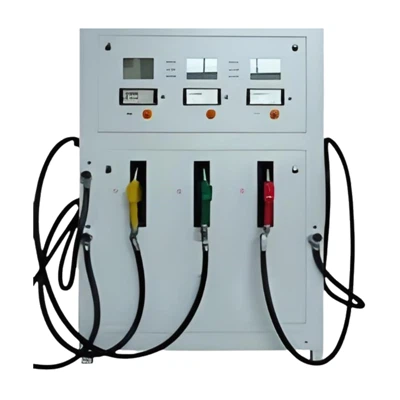
Hey there! I'm a supplier of Mobile Diesel Stations, and today I want to chat about the transportation requirements for these nifty mobile fuel solutions. Mobile Diesel Stations are super handy for all sorts of industries, from construction sites needing to fuel equipment on - the - go to remote areas where traditional fuel stops are scarce. But getting them from point A to point B safely and legally is crucial, and that's what I'm here to lay out for you.
1. Size and Weight Considerations
When it comes to transporting a Mobile Diesel Station, size and weight are the first things that pop up. These stations come in different sizes, from small, portable ones to larger, more industrial - grade setups. You've gotta know the exact dimensions of your Mobile Diesel Station, including length, width, and height. Why? Well, each mode of transportation has its own size limits.
For trucks, the maximum height usually ranges from 13.5 to 14 feet in the US. If your station is taller, you might need special permits or a different transportation method. Width is also a biggie; standard trucks can handle loads up to around 8.5 feet in width. Any wider, and you're looking at an oversized load, which means extra paperwork and safety measures.
Weight is equally important. Diesel is heavy, and a fully - loaded Mobile Diesel Station can tip the scales pretty high. You need to know the empty weight of the station and the weight when it's filled with diesel. Most trucks have a maximum weight limit, and going over that can lead to fines and dangerous driving conditions. Make sure you calculate the total weight accurately and choose a carrier that can handle it.
2. Safety Regulations
Road Safety
Transporting a Mobile Diesel Station on the road comes with a whole set of safety regulations. These stations are carrying flammable diesel, so safety is a top priority. In most countries, trucks carrying fuel need to have proper signage indicating that they are transporting a hazardous material. This includes placards that clearly state the type of fuel and any associated risks.
The truck also needs to be equipped with safety features like fire extinguishers, spill containment systems, and proper grounding to prevent static electricity from causing sparks. The driver should be trained in handling hazardous materials and know what to do in case of an emergency, like a spill or a fire.
International and Local Regulations
If you're transporting a Mobile Diesel Station across international borders, things get even more complicated. You'll need to comply with the regulations of each country you're passing through. This might include obtaining special permits, following specific transportation routes, and meeting different safety standards.
Even within a country, local regulations can vary. Some cities or states have stricter rules when it comes to transporting hazardous materials. It's your responsibility to research and follow all these regulations to avoid any legal issues.


3. Packaging and Securing
Packaging
Proper packaging is essential to protect the Mobile Diesel Station during transportation. The station should be wrapped in a protective material to prevent scratches and damage. Any exposed parts, like hoses or nozzles, should be covered to avoid breakage.
If the station has any removable components, such as pumps or meters, they should be packed separately and securely. This not only protects the parts but also makes it easier to unload and reassemble the station at the destination.
Securing
Once the station is packaged, it needs to be secured properly on the transport vehicle. For trucks, this usually means using straps, chains, or other fastening devices to prevent the station from shifting during transit. The securing points on the station should be strong enough to handle the forces exerted during transportation, like acceleration, braking, and turning.
For larger stations, it might be necessary to use custom - designed cradles or frames to ensure a perfect fit and maximum stability. Any loose items or debris inside the station should be removed to prevent them from causing damage during the journey.
4. Insurance
You definitely don't want to skip out on insurance when transporting a Mobile Diesel Station. Diesel is a valuable and potentially dangerous commodity, and an accident during transportation could result in significant financial losses.
Make sure you have comprehensive insurance that covers not only the damage to the station itself but also any damage to the transport vehicle, third - party property, and environmental damage in case of a spill. Talk to your insurance provider and explain the nature of your shipment to get the right coverage.
5. Choosing the Right Transport Company
Selecting the right transport company is key to ensuring a smooth transportation process. Look for a company that has experience in transporting hazardous materials, especially fuel - related equipment like Mobile Diesel Stations.
Check their reputation by reading reviews from other customers and looking at their safety record. A reliable transport company will have the necessary permits and compliance with all the relevant regulations. They should also be able to provide you with a detailed transportation plan, including the route, estimated travel time, and any potential risks.
6. Special Considerations for Different Station Types
There are different types of mobile fuel stations, like Mobile Filling Stations and Portable Gasoline Stations. While the general transportation requirements are similar, there are some unique factors to consider.
Portable Gasoline Stations, for example, are transporting gasoline, which is more volatile than diesel. This means even stricter safety regulations and more precautions during transportation. They may require additional safety features like vapor recovery systems to prevent gasoline vapors from escaping.
Mobile Filling Stations, on the other hand, might be larger and heavier, especially if they are designed to serve multiple vehicles at once. You'll need to pay extra attention to the size and weight limits when transporting these.
Time to Connect!
I hope this blog has given you a good understanding of the transportation requirements for a Mobile Diesel Station. If you're in the market for a high - quality Mobile Diesel Station or have any questions about transportation, I'd love to chat with you. You can reach out to me, and we can start a conversation about how I can meet your fuel - station needs. Whether it's about the right size, safety features, or transportation logistics, I'm here to help.
References
- Hazardous Materials Regulations published by the Department of Transportation
- Local and international safety standards for transporting fuel - related equipment
- Industry best practices for packaging and securing mobile fuel stations