Hey there! I'm a supplier of mobile filling stations, and today I wanna chat about how these nifty setups can comply with local fuel taxes. It's a topic that's super important for anyone in the fuel business, whether you're running a small operation or a big - time enterprise.


First off, let's understand what mobile filling stations are all about. We've got different types, like the Portable Diesel Station, Portable Petrol Station, and Mobile Diesel Station. These stations are designed to bring fuel right to where it's needed, be it a construction site, a farm, or a remote location.
Now, local fuel taxes can be a real headache. Every region has its own rules and regulations when it comes to taxing fuel. Some areas tax based on the volume of fuel sold, while others might have a flat - rate tax. And let's not forget about different tax rates for different types of fuel, like diesel and petrol.
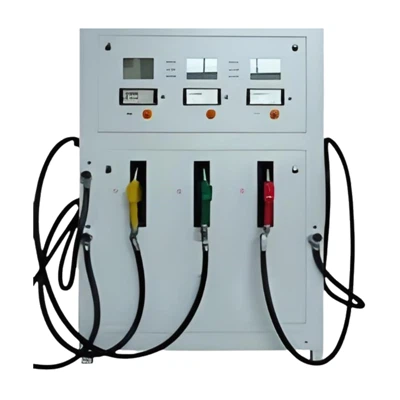
One of the key ways mobile filling stations can comply with these taxes is through accurate record - keeping. You've gotta know exactly how much fuel you're selling, where you're selling it, and to whom. This means having a proper accounting system in place. Use modern technology, like digital fuel dispensers that can track every drop of fuel that goes out. These dispensers can record the time, date, quantity, and location of each sale. This data is gold when it comes to filing your tax returns.
Another important aspect is understanding the tax jurisdiction. Mobile filling stations move around, so you might be operating in multiple tax areas. You need to know which local authority's taxes you're supposed to pay. For example, if you're supplying fuel to a construction site that straddles two different municipalities, you've got to figure out how to split the tax liability. It's a bit of a puzzle, but it's doable.
Some regions offer tax exemptions or reduced rates for certain types of fuel usage. For instance, if you're supplying fuel for agricultural purposes, there might be a lower tax rate. As a mobile filling station supplier, it's your responsibility to know these exemptions and make sure your customers are taking advantage of them legally. You can work closely with your customers to gather the necessary documentation to prove the eligible use of the fuel.
Let's talk about reporting. Most local tax authorities require regular reports on fuel sales. You need to submit these reports on time, and they've got to be accurate. Late or inaccurate reports can lead to fines and penalties. So, set up a schedule for reporting and make sure you've got all the data ready. You can use accounting software to generate these reports easily.
In addition to record - keeping and reporting, you also need to stay updated on any changes in local fuel tax laws. Tax laws are constantly evolving, and what was okay last year might not be okay this year. Subscribe to local government newsletters or follow relevant industry groups to stay in the loop. This way, you can make any necessary adjustments to your operations to stay compliant.
Now, let's get into the practical side of things. When you're setting up your mobile filling station, make sure you've got the right equipment. For example, use tax - compliant fuel dispensers. These dispensers are calibrated to measure fuel accurately and can be programmed to calculate the correct amount of tax based on the local rates.
Training your staff is also crucial. Your employees need to understand the importance of tax compliance. They should know how to operate the equipment properly, how to record sales accurately, and what to do in case of a tax audit. Provide regular training sessions to keep them up - to - date.
When it comes to dealing with tax authorities, be proactive. If you've got any questions or concerns about the local fuel tax regulations, reach out to them. It's better to ask for clarification than to make a mistake and face the consequences later. Build a good relationship with the tax authorities in the areas where you operate. This can make the whole compliance process a lot smoother.
As a mobile filling station supplier, you also need to work closely with your customers. Educate them about the tax implications of their fuel purchases. Let them know how the tax is calculated and what they can do to ensure they're compliant. This can help build trust and long - term relationships with your customers.
In conclusion, complying with local fuel taxes is a complex but necessary part of running a mobile filling station business. By keeping accurate records, understanding the tax jurisdiction, staying updated on the laws, using the right equipment, training your staff, and working closely with your customers and tax authorities, you can ensure that your business stays on the right side of the law.
If you're interested in purchasing a mobile filling station for your business, whether it's a Portable Diesel Station, Portable Petrol Station, or Mobile Diesel Station, I'd love to have a chat with you. We can discuss your specific needs and how we can help you set up a tax - compliant operation.
References
- Local government tax regulations
- Industry best practices for fuel tax compliance
- Fuel dispenser manufacturer guidelines