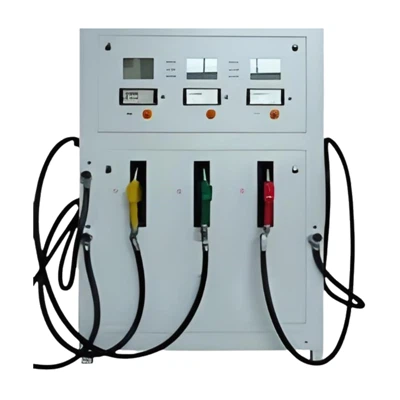
Hey there! As a supplier of mini filling stations, I've had my fair share of questions about ventilation requirements. It's a crucial aspect that often gets overlooked, but trust me, it's super important for the safety and efficiency of these stations. So, let's dive right in and talk about what you need to know.


First off, why is ventilation so important in a mini filling station? Well, when you're dealing with fuels like diesel and petrol, there are always fumes and vapors being released. These fumes can be not only flammable but also harmful to human health if inhaled in large quantities. Proper ventilation helps to remove these fumes from the station, reducing the risk of fire and explosion, and keeping the air inside the station safe for both employees and customers.
Now, let's get into the nitty - gritty of the ventilation requirements. The amount of ventilation needed depends on a few factors, such as the size of the station, the type of fuel being stored and dispensed, and the frequency of use.
Size of the Station
The larger the mini filling station, the more ventilation it will require. This is because there's more space for fumes to accumulate, and a larger volume of air needs to be exchanged to keep the fume levels in check. For a small - sized mini filling station, you might be able to get away with a relatively simple ventilation system. But for a bigger one, you'll probably need a more powerful and complex setup.
Type of Fuel
Different fuels have different characteristics when it comes to vaporization. Petrol, for example, is more volatile than diesel. This means that petrol releases more fumes at normal temperatures, and thus, a mini filling station that dispenses petrol will generally require more ventilation than one that only dispenses diesel. If you're interested in our Mini Diesel Station or Mini Petrol Station, you'll want to keep this in mind when considering the ventilation system.
Frequency of Use
If your mini filling station is busy and has a high turnover of customers, more fuel is being dispensed, which means more fumes are being released. In this case, you'll need a ventilation system that can handle the increased load. On the other hand, if the station is less busy, you might be able to get by with a less powerful system.
So, what kind of ventilation systems are available for mini filling stations?
Natural Ventilation
Natural ventilation is the simplest and most cost - effective option. It works by using natural air currents to move fresh air into the station and expel the fumes. This can be achieved through the use of windows, vents, and louvers. However, natural ventilation has its limitations. It's highly dependent on the weather conditions and the direction of the wind. In calm or adverse weather conditions, it might not be sufficient to keep the fume levels down.
Mechanical Ventilation
Mechanical ventilation systems, on the other hand, offer more control and reliability. These systems use fans and blowers to move air in and out of the station. There are two main types of mechanical ventilation systems: exhaust - only systems and supply - exhaust systems.
- Exhaust - Only Systems: These systems work by removing the contaminated air from the station. They're relatively simple and inexpensive to install. However, they can create negative pressure inside the station, which might draw in fumes from outside or cause problems with the operation of other equipment.
- Supply - Exhaust Systems: These systems not only remove the contaminated air but also supply fresh air to the station. This helps to maintain a balanced pressure inside the station and ensures a continuous supply of clean air. They're more complex and expensive than exhaust - only systems, but they offer better overall performance.
When designing a ventilation system for a mini filling station, there are also some safety standards and regulations that you need to follow. These standards are in place to protect the health and safety of everyone involved. For example, the ventilation system should be designed to prevent the accumulation of fumes in any part of the station. It should also be able to operate effectively in case of an emergency, such as a fire or a fuel spill.
Another important consideration is the maintenance of the ventilation system. Regular maintenance is essential to ensure that the system is working properly. This includes cleaning the filters, checking the fans and blowers for any signs of wear and tear, and testing the system to make sure it's meeting the required ventilation rates.
As a supplier of mini filling stations, I can tell you that getting the ventilation right is a big deal. A well - designed and properly maintained ventilation system can make a huge difference in the safety and efficiency of your station. It can also help you avoid costly fines and legal issues by ensuring that you're in compliance with all the relevant regulations.
If you're in the market for a mini filling station and want to make sure you're getting the best ventilation solution, don't hesitate to reach out. We've got a team of experts who can help you design a ventilation system that's tailored to your specific needs. Whether you're looking for a Mini Diesel Station or a Mini Petrol Station, we've got you covered.
In conclusion, ventilation requirements for a mini filling station are influenced by multiple factors such as size, fuel type, and usage frequency. Choosing the right ventilation system, whether it's natural or mechanical, and ensuring its proper maintenance are key steps in creating a safe and functional mini filling station. So, if you're thinking about setting up or upgrading a mini filling station, let's have a chat and figure out the best ventilation solution for you.
References
- Occupational Safety and Health Administration (OSHA) guidelines on ventilation in fuel handling facilities.
- National Fire Protection Association (NFPA) standards for filling stations.