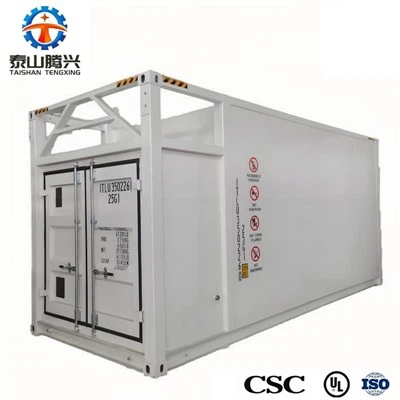
Automation has become an integral part of modern business operations, and the mini petrol station industry is no exception. As a supplier of Mini Petrol Station, I have witnessed firsthand the transformative power of automation in this sector. In this blog post, I will explore the role of automation in a mini petrol station, its benefits, challenges, and the future prospects.
The Basics of Automation in a Mini Petrol Station
Automation in a mini petrol station involves the use of technology to perform various tasks that were previously done manually. This can include fuel dispensing, inventory management, payment processing, and security monitoring. By automating these processes, mini petrol stations can improve efficiency, reduce costs, and enhance the overall customer experience.
One of the key areas where automation has made a significant impact is fuel dispensing. Automated fuel dispensers are equipped with advanced sensors and control systems that can accurately measure and dispense fuel. These dispensers can also be integrated with payment systems, allowing customers to pay for their fuel using a variety of methods, such as credit cards, debit cards, or mobile wallets. This not only makes the fueling process faster and more convenient for customers but also reduces the risk of human error and fraud.
Another important aspect of automation in a mini petrol station is inventory management. Automated inventory systems can track the quantity of fuel and other products in real-time, providing accurate information on stock levels. This allows station operators to optimize their inventory, reduce waste, and ensure that they always have enough fuel on hand to meet customer demand. In addition, automated inventory systems can generate reports and alerts, helping operators to identify trends and make informed decisions about purchasing and stocking.
Payment processing is also a critical area where automation has improved the efficiency of mini petrol stations. Automated payment systems can process transactions quickly and securely, reducing the time customers spend at the pump. These systems can also be integrated with other systems, such as inventory management and accounting, providing a seamless and efficient payment experience.
Security monitoring is another area where automation has become increasingly important in mini petrol stations. Automated security systems can monitor the station 24/7, using cameras, sensors, and alarms to detect and prevent theft, vandalism, and other security threats. These systems can also be integrated with other systems, such as access control and emergency response, providing a comprehensive security solution for the station.
Benefits of Automation in a Mini Petrol Station
The benefits of automation in a mini petrol station are numerous and significant. Here are some of the key advantages:
Improved Efficiency
Automation can significantly improve the efficiency of a mini petrol station by reducing the time and effort required to perform various tasks. For example, automated fuel dispensers can dispense fuel much faster than manual dispensers, allowing more customers to be served in a shorter period of time. Automated inventory management systems can also streamline the process of ordering and stocking fuel, reducing the time and resources required to manage inventory.
Cost Savings
Automation can also help mini petrol stations to save costs by reducing labor costs, improving inventory management, and reducing the risk of theft and fraud. For example, automated payment systems can reduce the need for cashiers, saving on labor costs. Automated inventory management systems can also help to reduce waste and optimize inventory levels, saving on purchasing costs.
Enhanced Customer Experience
Automation can enhance the customer experience by providing a faster, more convenient, and more secure fueling experience. For example, automated fuel dispensers can allow customers to pay for their fuel using a variety of methods, such as credit cards, debit cards, or mobile wallets, providing a more convenient payment option. Automated security systems can also provide customers with a sense of safety and security, making them more likely to return to the station in the future.
Improved Safety
Automation can also improve the safety of a mini petrol station by reducing the risk of human error and accidents. For example, automated fuel dispensers are equipped with advanced sensors and control systems that can prevent overfilling and spills, reducing the risk of fire and explosion. Automated security systems can also monitor the station 24/7, detecting and preventing theft, vandalism, and other security threats.
Challenges of Automation in a Mini Petrol Station
While automation offers many benefits to mini petrol stations, it also presents some challenges. Here are some of the key challenges:
High Initial Investment
Automation requires a significant initial investment in technology and equipment. This can be a barrier for some mini petrol station operators, especially those with limited financial resources. In addition, the cost of maintaining and upgrading automated systems can also be high.
Technical Complexity
Automated systems can be complex and require specialized technical knowledge and skills to operate and maintain. This can be a challenge for some mini petrol station operators, especially those with limited technical expertise. In addition, the need for regular software updates and maintenance can also be a challenge.
Resistance to Change
Some mini petrol station operators may be resistant to change and may be reluctant to adopt automated systems. This can be due to a variety of factors, such as fear of job loss, lack of trust in technology, or a preference for traditional methods of operation.
Security Risks
Automated systems are vulnerable to security threats, such as hacking, malware, and cyberattacks. This can pose a significant risk to the safety and security of a mini petrol station, as well as the privacy and financial information of its customers.
Future Prospects of Automation in a Mini Petrol Station
Despite the challenges, the future prospects of automation in a mini petrol station are bright. As technology continues to evolve, we can expect to see even more advanced and sophisticated automated systems being developed and implemented in the industry. Here are some of the trends that we can expect to see in the future:
Integration with Smart Devices
Automated systems in mini petrol stations will increasingly be integrated with smart devices, such as smartphones and tablets. This will allow customers to control and monitor their fueling experience using their mobile devices, providing a more convenient and personalized experience.
Use of Artificial Intelligence and Machine Learning
Artificial intelligence and machine learning will be increasingly used in automated systems in mini petrol stations. This will allow these systems to learn from data and make intelligent decisions, improving the efficiency and effectiveness of the station.
Expansion of Services
Automated systems in mini petrol stations will also be used to expand the range of services offered by the station. For example, some stations may offer car wash services, convenience store items, or even electric vehicle charging stations.


Collaboration with Other Industries
Mini petrol stations will increasingly collaborate with other industries, such as transportation and energy, to provide more comprehensive and integrated services. For example, some stations may partner with ride-sharing companies to provide fueling services for their vehicles.
Conclusion
Automation has become an essential part of the modern mini petrol station industry. By automating various processes, such as fuel dispensing, inventory management, payment processing, and security monitoring, mini petrol stations can improve efficiency, reduce costs, and enhance the overall customer experience. While there are some challenges associated with automation, the future prospects of this technology in the industry are bright. As a supplier of Mini Petrol Station, I am committed to providing our customers with the latest and most advanced automated systems to help them stay competitive in the market. If you are interested in learning more about our products and services, please contact us to discuss your specific needs and requirements.
References
- Smith, J. (2020). The Impact of Automation on the Petrol Station Industry. Journal of Petroleum Technology, 72(3), 210-215.
- Johnson, A. (2019). Automation in Mini Petrol Stations: Benefits and Challenges. International Journal of Energy Management, 15(2), 123-135.
- Brown, C. (2018). The Future of Automation in the Petrol Station Industry. Energy Policy, 110, 456-465.