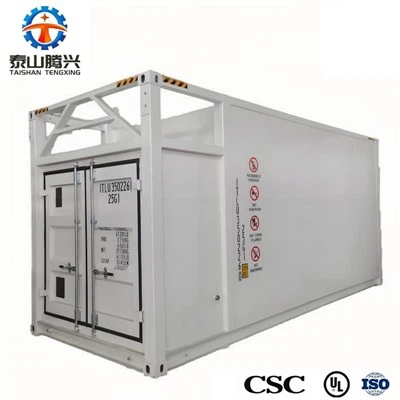
What special considerations are needed for self - bunded fuel tanks in cold climates?
As a supplier of self - bunded fuel tanks, I've witnessed firsthand the unique challenges that cold climates pose to these essential storage solutions. Self - bunded fuel tanks are designed to provide a secondary containment system, preventing fuel spills and leaks. However, in cold climates, additional factors need to be taken into account to ensure their proper functioning and longevity.
1. Freezing of Fuel
One of the most significant concerns in cold climates is the freezing of fuel. Diesel fuel, for example, can start to gel at low temperatures, which can clog fuel filters and prevent the proper flow of fuel to engines. This is known as the cloud point, the temperature at which wax crystals begin to form in the fuel. To address this issue, it's crucial to use fuel additives that lower the cloud point. These additives can prevent the wax from solidifying and keep the fuel flowing smoothly.
For our Self Bunded Diesel Tank, we recommend regular testing of the fuel's cloud point and the use of appropriate additives. Additionally, insulating the tank can help maintain a more stable temperature inside the tank, reducing the risk of fuel freezing.
2. Expansion and Contraction
Cold temperatures cause materials to contract, and when the temperature rises, they expand. This expansion and contraction can put stress on the self - bunded fuel tank. The outer and inner shells of the tank need to be able to withstand these temperature - induced changes without cracking or leaking.
High - quality materials are essential for self - bunded fuel tanks in cold climates. Tanks made from materials with a low coefficient of thermal expansion are less likely to experience damage due to temperature fluctuations. Our Self Bunded Gasoline Tank and Self Bunded Petrol Fuel Tank are constructed using advanced materials that can handle these temperature - related stresses.
3. Condensation and Corrosion
In cold climates, condensation can form inside the fuel tank. When warm, moist air enters the tank and then cools, water droplets can form on the inner surfaces of the tank. This water can lead to corrosion, which can weaken the tank over time.
To prevent condensation, it's important to ensure that the tank is properly sealed. Ventilation systems should be designed to minimize the entry of moist air. Additionally, using corrosion - resistant coatings on the inner and outer surfaces of the tank can help protect it from the effects of water and oxygen. Our self - bunded fuel tanks are coated with high - quality, corrosion - resistant materials to extend their lifespan in cold and humid conditions.
4. Insulation
Insulating the self - bunded fuel tank is a key consideration in cold climates. Insulation helps maintain a stable temperature inside the tank, reducing the risk of fuel freezing and minimizing the effects of temperature - induced expansion and contraction.
There are various types of insulation materials available, such as foam insulation and fiberglass insulation. The choice of insulation depends on factors like the local climate, the type of fuel stored, and the budget. Our team can provide guidance on the most suitable insulation options for your specific needs.
5. Monitoring and Maintenance
Regular monitoring and maintenance are essential for self - bunded fuel tanks in cold climates. This includes checking for signs of fuel leakage, corrosion, and damage to the tank's structure. Temperature sensors can be installed to monitor the internal temperature of the tank and ensure that it remains within the safe range.
Fuel levels should also be monitored regularly, as low fuel levels can increase the risk of condensation. Maintenance tasks such as filter replacement, fuel testing, and inspection of the tank's components should be carried out according to a strict schedule.
6. Installation
Proper installation is crucial for the performance of self - bunded fuel tanks in cold climates. The tank should be installed on a level surface that can withstand the weight of the tank and the fuel. It's also important to ensure that the tank is installed in a location that is protected from extreme cold and wind.
During installation, the tank's ventilation system should be set up correctly to prevent the build - up of pressure and the entry of moisture. Our installation team has extensive experience in installing self - bunded fuel tanks in cold climates and can ensure that the tank is installed safely and efficiently.
7. Regulatory Compliance
In cold climates, there may be specific regulations regarding the storage and use of fuel. These regulations are in place to ensure the safety of the environment and the public. It's important to stay informed about these regulations and ensure that your self - bunded fuel tank complies with all relevant requirements.
Our company is committed to providing self - bunded fuel tanks that meet or exceed all regulatory standards. We can assist our customers in understanding and complying with the local regulations, ensuring a hassle - free experience.
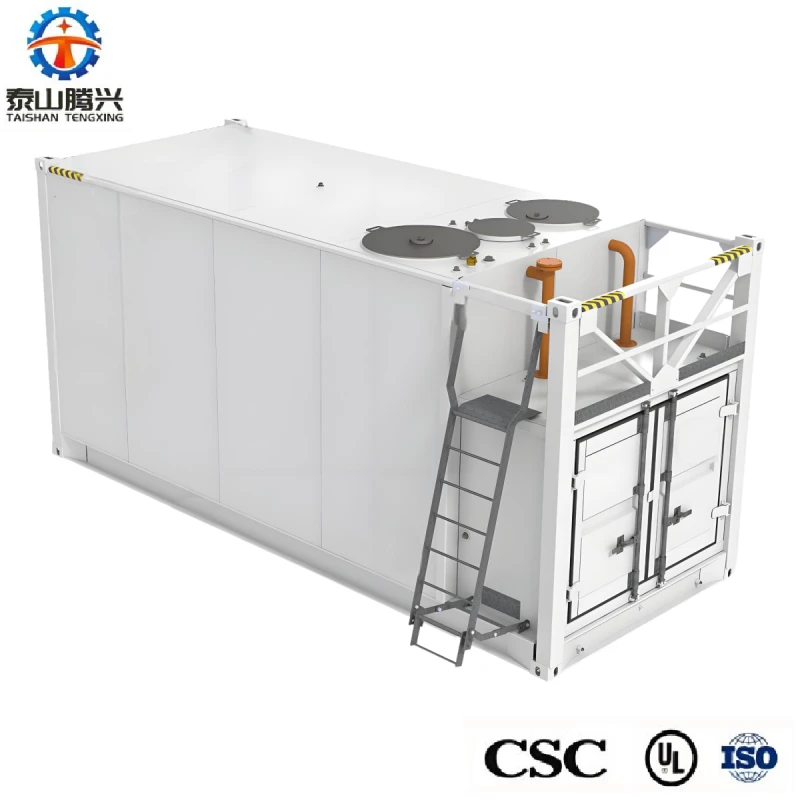

Conclusion
Self - bunded fuel tanks in cold climates require special considerations to ensure their proper functioning and safety. From preventing fuel freezing to addressing expansion and contraction, condensation, and corrosion, every aspect of the tank's design, installation, and maintenance needs to be carefully thought out.
As a supplier of self - bunded fuel tanks, we have the expertise and experience to provide high - quality products that are suitable for cold climates. If you're in the market for a self - bunded fuel tank and need guidance on the special considerations for cold climates, we're here to help. Contact us to discuss your requirements and start the procurement process. We look forward to working with you to find the perfect solution for your fuel storage needs.
References
- ASTM International. (20XX). Standards for fuel storage tanks.
- Environmental Protection Agency. (20XX). Regulations for fuel storage in cold climates.
- Industry reports on the performance of self - bunded fuel tanks in cold regions.