

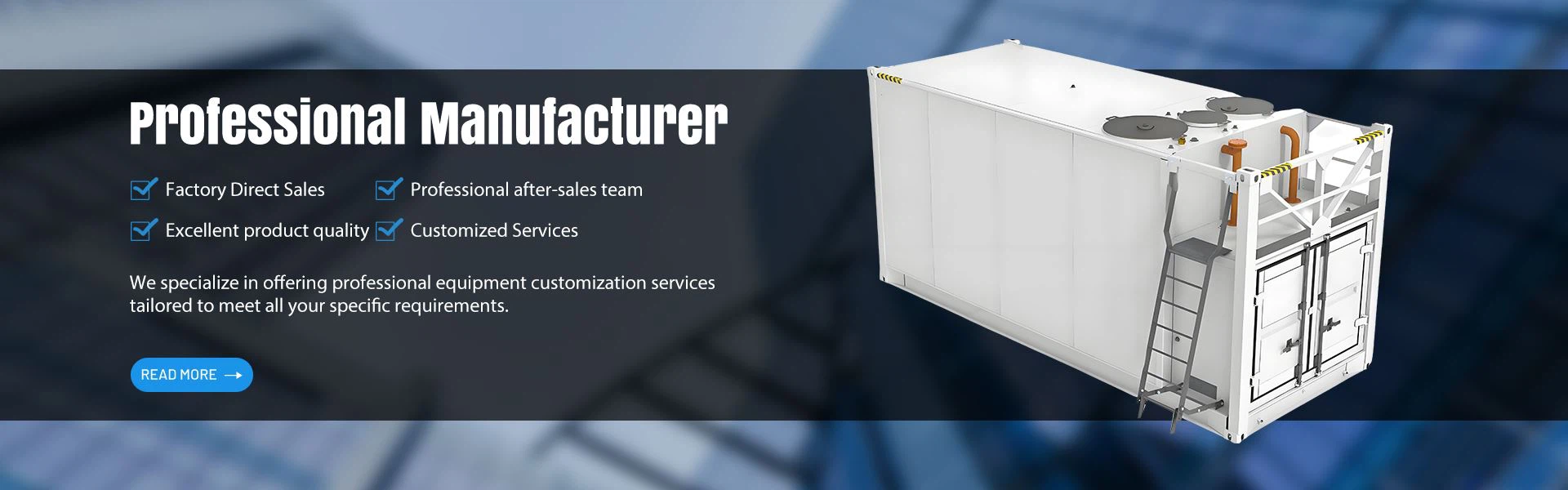
The following points should be noted during the use of self-binding tanks:
Preparation before installation:
Foundation preparation: The foundation of the tank should be solid and stable, with sufficient load-bearing capacity to prevent the tank from tilting or deforming during use. The foundation surface should be flat, without sharp objects or uneven areas to avoid damaging the bottom of the tank.
Inspect the tank: Before installation, carefully check the material, wall thickness, welds, etc. of the tank to ensure that it is of qualified quality and has no cracks, breakage or deformation. At the same time, check the accessories of the tank, such as flanges, pipes, seals, etc., to ensure that they are complete, intact and matching specifications.
Installation process:
Place the tank: Place the tank on the foundation and use tools such as a level to adjust the level of the tank to ensure that the tank is stable and will not tilt. During the placement process, avoid strong impact and collision on the tank body.
Connect pipes and equipment: Connect the feed pipe, discharge pipe and other related equipment such as agitators, heat exchangers, etc. as needed. Use sealant and other materials to seal to ensure that there is no leakage at the connection.
Installation of testing equipment: Install testing equipment such as liquid level gauges, thermometers, and pressure gauges to monitor the liquid level, temperature, pressure and other parameters inside the tank in real time.
Inspection and testing after installation:
Sealing performance inspection: After the installation is completed, carefully check the sealing performance of the tank to ensure that there is no leakage. You can use the method of adding liquid and observing the interface to check for leakage.
Pressure test: Perform a pressure test on the tank to ensure that it can withstand the design pressure without leakage or deformation. During the test, the pressure should be gradually increased, and the deformation and leakage of the tank should be observed.
Daily use and maintenance:
Regular inspection: Regularly check the sealing of the tank, whether the exhaust port and overflow port are unobstructed, and the accuracy of the pressure gauge, thermometer and liquid level gauge. Check whether the valves, pipes and interfaces of the tank are normal and whether there are any leakage or damage.
Cleaning and maintenance: After the operation, the tank needs to be cleaned to remove the chemical residues and dirt inside. Cleaning agents and high-pressure water guns can be used for cleaning. Regularly perform anti-corrosion and thermal insulation operations on the tank, and repair the venting flame arrester, anti-corrosion layer and thermal insulation layer.
Safety protection measures: During installation and use, strictly abide by relevant safety operating procedures, such as wearing protective glasses, masks, gloves, etc. Ensure that there is no open flame or other potential sources of danger around the tank to prevent fire or explosion accidents.


