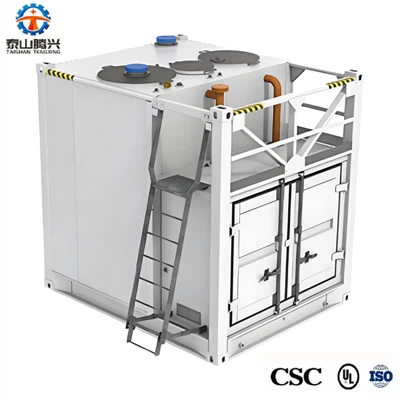
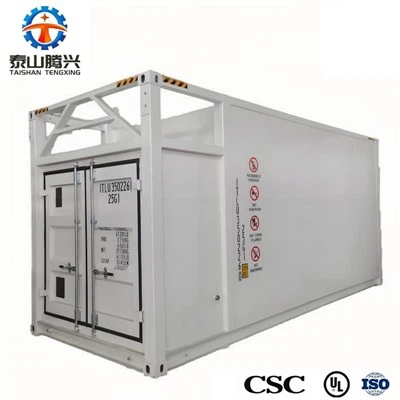
As a supplier of Mobile Filling Stations, I've been closely observing the various factors that can impact the operation and viability of these innovative fuel - delivery solutions. One question that often comes up is whether mobile filling stations are affected by traffic congestion. In this blog post, I'll delve into this topic, exploring the ways in which traffic congestion can both positively and negatively influence mobile filling stations.
Negative Impacts of Traffic Congestion on Mobile Filling Stations
Delayed Service
Traffic congestion is a well - known culprit for causing delays. For mobile filling stations, which are designed to provide on - the - go fueling services, delays can be a significant problem. When a mobile filling station is stuck in traffic, it cannot reach its customers in a timely manner. This not only frustrates the customers who are waiting for their fuel but also reduces the overall efficiency of the mobile filling station. For example, if a construction site has ordered fuel for its heavy machinery and the mobile filling station is delayed due to traffic, the construction work may have to halt, leading to potential losses for the construction company.
Increased Operational Costs
Another major drawback of traffic congestion is the increase in operational costs. When a mobile filling station is idle in traffic, it continues to consume fuel. This additional fuel consumption adds to the cost of running the business. Moreover, the wear and tear on the vehicle's engine and other components increase as the engine runs for longer periods in stop - and - go traffic. Maintenance costs can also rise as a result. These increased costs can eat into the profit margins of the mobile filling station business, making it less economically viable.
Reduced Customer Satisfaction
Customers expect prompt and reliable service from mobile filling stations. Traffic congestion can disrupt this expectation. If a customer has to wait for an extended period for the mobile filling station to arrive, they are likely to be dissatisfied. This dissatisfaction can lead to negative reviews and a loss of future business. In a competitive market, customer satisfaction is crucial for the success of any business, and traffic congestion can pose a significant threat to achieving high levels of customer satisfaction.
Positive Impacts of Traffic Congestion on Mobile Filling Stations
Increased Demand in Congested Areas
While traffic congestion has its downsides, it can also create opportunities for mobile filling stations. In areas with heavy traffic, vehicles are more likely to run out of fuel. This is because cars and trucks consume more fuel in stop - and - go traffic. As a result, there is a higher demand for on - the - spot fueling services. Mobile filling stations can capitalize on this demand by targeting congested areas such as busy city centers, major highways during peak hours, and large event venues where traffic can be gridlocked.
Competitive Advantage
In a market where traditional fixed - location filling stations may struggle to meet the needs of customers in congested areas, mobile filling stations can gain a competitive advantage. They can offer a more convenient and flexible fueling solution. For instance, a driver stuck in traffic doesn't have to worry about finding a way out of the jam to reach a gas station. Instead, a mobile filling station can come directly to them. This unique selling point can attract more customers and help mobile filling stations stand out in the market.
Strategies to Mitigate the Negative Effects of Traffic Congestion
Route Planning
One effective strategy to deal with traffic congestion is advanced route planning. By using real - time traffic data and mapping tools, mobile filling station operators can identify the least congested routes to their customers. This can significantly reduce travel time and minimize the impact of traffic on service delivery. For example, if a mobile filling station is scheduled to visit a customer in a busy part of the city, the operator can use a traffic app to find an alternate route that may be less congested.
Scheduling
Proper scheduling is also crucial. Operators can plan their fueling services during off - peak hours when traffic is lighter. This can ensure that the mobile filling stations can reach their destinations more quickly and efficiently. For instance, if a mobile filling station is servicing a fleet of delivery trucks, it can schedule the fueling during the early morning or late evening when there is less traffic on the roads.
Fleet Management
Maintaining a well - managed fleet can also help mitigate the effects of traffic congestion. Regular maintenance of the vehicles can ensure that they are in optimal condition, reducing the likelihood of breakdowns in traffic. Additionally, having a backup vehicle available can be beneficial in case one of the mobile filling stations gets stuck in severe traffic or experiences a mechanical problem.
Conclusion
In conclusion, traffic congestion has both positive and negative impacts on mobile filling stations. While it can cause delays, increase costs, and reduce customer satisfaction, it also creates opportunities for increased demand and a competitive edge. As a supplier of Mobile Filling Station, Portable Petrol Station, and Mobile Diesel Station, I understand the challenges and opportunities that traffic congestion presents. By implementing effective strategies such as route planning, scheduling, and fleet management, mobile filling station operators can minimize the negative impacts and maximize the benefits.
If you're interested in exploring the potential of mobile filling stations for your business or personal needs, I encourage you to reach out for a procurement discussion. We can work together to find the best solutions that meet your specific requirements.


References
- Smith, J. (2020). The Impact of Traffic Congestion on Mobile Service Providers. Journal of Urban Mobility, 15(2), 45 - 57.
- Johnson, A. (2021). Strategies for Mitigating Traffic - Related Challenges in the Mobile Fueling Industry. Fuel Management Review, 22(3), 67 - 78.
- Brown, C. (2019). Customer Satisfaction in the Mobile Filling Station Market: The Role of Traffic Congestion. Service Quality Journal, 18(4), 89 - 102.