Can an above ground fuel tank be used for kerosene?
Hey there, folks! As a supplier of above ground fuel tanks, I get a ton of questions from customers every day. One of the most common ones is whether an above ground fuel tank can be used for kerosene. So, I thought I'd sit down and write this blog to give you all the lowdown on this topic.
First off, let's talk a bit about kerosene. Kerosene is a widely - used fuel. It's commonly used for heating, in some lamps for lighting, and in certain types of stoves. It has a lower volatility compared to gasoline, which means it's a bit more stable and less likely to evaporate quickly.
Now, the big question: Can you use an above ground fuel tank for kerosene? The short answer is yes, in most cases, you can. But there are a few things you need to consider.
Compatibility of the Tank Material
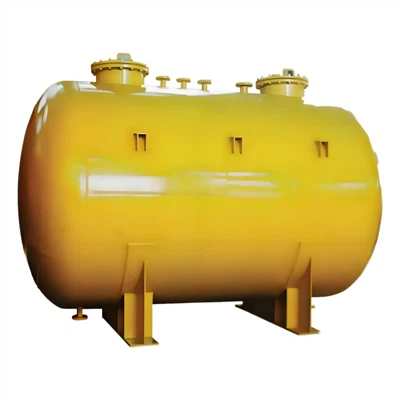
The material of the above ground fuel tank is crucial when it comes to storing kerosene. Most modern above ground fuel tanks are made from materials like steel or polyethylene. Steel tanks are quite robust and can handle the storage of kerosene well. They are resistant to many of the chemicals present in kerosene. However, over time, if the tank is not properly coated or maintained, there is a risk of corrosion. That's why it's important to make sure the steel tank has a good protective coating.
Polyethylene tanks are another popular option. Polyethylene is a type of plastic that is chemically resistant to kerosene. It's also lightweight, which can make installation a breeze. Polyethylene doesn't corrode like steel, so it's a great long - term option for storing kerosene.


Safety Considerations
Safety is always the top priority when dealing with fuel storage. When using an above ground fuel tank for kerosene, you need to follow some important safety guidelines.
Ventilation is key. Kerosene can release vapors, and having proper ventilation in the area where the tank is installed helps to prevent the buildup of these vapors. This reduces the risk of fire or explosion.
You also need to make sure the tank is installed on a stable surface. An uneven or unstable surface can cause the tank to tip over, which is extremely dangerous.
And don't forget about spill containment. You should have a spill containment system in place to catch any potential leaks or spills. This can help prevent environmental contamination and keep your property safe.
Regulatory Requirements
Before you go ahead and use an above ground fuel tank for kerosene, it's essential to check the local regulations. Different areas have different rules regarding fuel storage. Some might require a permit for installing a fuel tank, while others might have specific requirements for the location of the tank, such as how far it needs to be from buildings or boundaries.
There could also be regulations regarding the size of the tank. Make sure you do your homework and comply with all the local laws to avoid any legal issues.
Advantages of Using Above Ground Fuel Tanks for Kerosene
There are several advantages to using above ground fuel tanks for storing kerosene.
One of the biggest advantages is easy installation. Unlike underground tanks, above ground tanks don't require extensive excavation work. You can simply place the tank on a prepared surface and start using it.
Inspection and maintenance are also much easier with above ground tanks. You can visually inspect the tank regularly for any signs of damage or leaks. And if there is a problem, it's usually easier to access and repair the above ground tank compared to an underground one.
Above ground fuel tanks are more cost - effective in many cases. They don't require the additional costs associated with underground installation, such as excavation and backfilling.
Different Types of Above Ground Fuel Tanks for Kerosene
If you're in the market for an above ground fuel tank for kerosene, there are different options available to you.
If you're looking for a tank to store gasoline along with kerosene in some cases, you might want to check out Above Ground Gasoline Tank or Above Ground Gasoline Fuel Tank. These tanks are designed to handle the specific requirements of gasoline storage as well, which can be useful if you have a multi - fuel setup.
On the other hand, if your main focus is on diesel and kerosene storage, Above Ground Diesel Tank could be a great option. Diesel tanks are also often suitable for kerosene storage due to the similar properties of the two fuels.
Maintenance Tips
Proper maintenance of your above ground fuel tank for kerosene is essential to ensure its longevity and safe operation.
Regularly check the tank for any signs of dents, scratches, or corrosion. If you notice any damage, it's important to repair it as soon as possible.
Keep the tank clean. Remove any dirt, debris, or water that might accumulate on the top or around the tank. Water in the tank can cause problems, such as corrosion and the growth of bacteria.
Check the tank's fittings and valves regularly. Make sure they are tight and not leaking. Replace any worn - out parts immediately.
Conclusion
So, to sum it all up, an above ground fuel tank can definitely be used for kerosene. As long as you choose the right tank material, follow the safety guidelines, comply with local regulations, and maintain the tank properly, you can safely and efficiently store kerosene in an above ground fuel tank.
If you're interested in purchasing an above ground fuel tank for kerosene or have any questions about our products, feel free to reach out to us. We're here to help you make the right choice for your fuel storage needs.
References
- "Fuel Tank Handbook" by ABC Publications
- Local fuel storage regulations guides