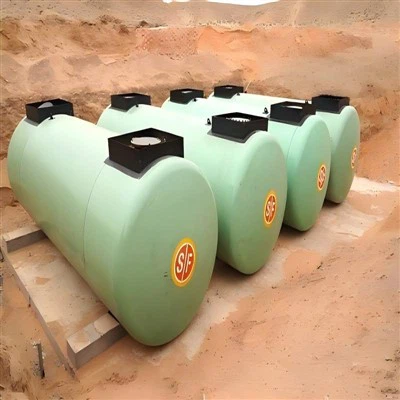
In the evolving landscape of the energy and transportation sectors, the question of whether small fuel stations offer battery charging services has become increasingly relevant. As a supplier of small fuel stations, I have witnessed firsthand the shifting demands of the market and the challenges and opportunities that come with integrating new services.


The Current State of Small Fuel Stations
Small fuel stations have long been a staple in local communities, providing a convenient source of gasoline and diesel for motorists. These stations, often independently owned and operated, play a crucial role in ensuring that drivers have access to fuel when they need it. However, with the rise of electric vehicles (EVs), the traditional business model of small fuel stations is being challenged.
The growth of the EV market has been remarkable in recent years. According to the International Energy Agency (IEA), the number of electric cars on the road worldwide exceeded 10 million in 2020, and this number is expected to continue to grow exponentially in the coming years. As more consumers make the switch to EVs, the demand for charging infrastructure is also increasing.
The Case for Small Fuel Stations Offering Battery Charging Services
There are several compelling reasons why small fuel stations should consider offering battery charging services. Firstly, it allows them to diversify their revenue streams. By providing charging services, small fuel stations can attract a new customer base of EV owners, who may not have previously stopped at their station. This can help to increase foot traffic and boost sales of other products and services, such as convenience store items and car washes.
Secondly, offering battery charging services can enhance the competitiveness of small fuel stations. In an increasingly crowded market, stations that can offer a wider range of services are more likely to stand out from the competition. By providing charging facilities, small fuel stations can position themselves as forward-thinking and customer-centric businesses, which can help to build brand loyalty and attract repeat customers.
Thirdly, integrating battery charging services can contribute to the transition to a more sustainable energy future. As the world moves towards reducing its carbon emissions, the widespread adoption of EVs is seen as a crucial step. By providing charging infrastructure, small fuel stations can play a role in supporting the growth of the EV market and helping to reduce the environmental impact of transportation.
Challenges Faced by Small Fuel Stations in Offering Battery Charging Services
While there are many benefits to offering battery charging services, small fuel stations also face several challenges in implementing these services. One of the main challenges is the high cost of installing and maintaining charging equipment. Charging stations require significant upfront investment, including the cost of purchasing the equipment, installing it, and obtaining the necessary permits and approvals. In addition, ongoing maintenance and operational costs can also be substantial, including the cost of electricity, equipment repairs, and software updates.
Another challenge is the limited space available at small fuel stations. Many small fuel stations are located on relatively small plots of land, which may not have enough space to accommodate charging stations without sacrificing existing fuel pumps or other facilities. This can make it difficult to install a sufficient number of charging stations to meet the demand of EV owners.
Furthermore, small fuel stations may also face regulatory and permitting challenges. The installation and operation of charging stations are subject to a variety of regulations and requirements, which can vary depending on the location and jurisdiction. These regulations can include safety standards, electrical codes, and environmental requirements, which can add complexity and cost to the process of installing and operating charging stations.
Solutions and Strategies for Small Fuel Stations
Despite these challenges, there are several solutions and strategies that small fuel stations can adopt to overcome them and successfully offer battery charging services. One approach is to partner with charging network operators or energy companies. These partners can provide the necessary expertise, financing, and infrastructure to help small fuel stations install and operate charging stations. By partnering with established players in the industry, small fuel stations can benefit from their experience and resources, which can help to reduce the cost and risk of implementing charging services.
Another solution is to focus on installing fast charging stations. Fast charging stations can significantly reduce the charging time for EVs, which can make them more attractive to drivers. By installing fast charging stations, small fuel stations can differentiate themselves from other charging providers and attract more customers. However, it is important to note that fast charging stations also require more power and infrastructure, which can increase the cost and complexity of installation.
In addition, small fuel stations can also explore alternative business models, such as offering charging services on a subscription basis or partnering with local businesses to offer charging as a value-added service. For example, a small fuel station could partner with a nearby hotel or restaurant to offer charging services to their customers. This can help to increase the utilization of charging stations and generate additional revenue for both the fuel station and the partner business.
The Future of Small Fuel Stations and Battery Charging Services
Looking ahead, the future of small fuel stations and battery charging services is likely to be shaped by several factors. One of the key factors is the continued growth of the EV market. As more consumers make the switch to EVs, the demand for charging infrastructure is expected to increase significantly. This will create opportunities for small fuel stations to expand their services and capture a share of the growing market.
Another factor is the development of new technologies and innovations in the charging industry. For example, the emergence of wireless charging technology and battery swapping systems could potentially revolutionize the way that EVs are charged. These technologies could make charging more convenient and efficient, which could further increase the adoption of EVs and the demand for charging services.
Finally, government policies and incentives are also likely to play a significant role in shaping the future of small fuel stations and battery charging services. Many governments around the world are implementing policies and incentives to encourage the adoption of EVs and the development of charging infrastructure. These policies can include subsidies for the purchase of EVs, tax credits for the installation of charging stations, and regulations to ensure the availability and accessibility of charging infrastructure.
Conclusion
In conclusion, the question of whether small fuel stations offer battery charging services is a complex one that depends on a variety of factors. While there are many challenges and obstacles to overcome, there are also significant opportunities for small fuel stations to benefit from the growing demand for charging services. By adopting the right strategies and solutions, small fuel stations can successfully integrate battery charging services into their business models and position themselves for success in the future.
If you are interested in exploring the possibility of adding battery charging services to your small fuel station, I encourage you to reach out to me. As a supplier of Small Mobile Petrol Station and Small Mobile Diesel Station, I have the expertise and resources to help you navigate the process and find the right solutions for your needs. Let's work together to embrace the future of energy and transportation and create a more sustainable world.
References
- International Energy Agency (IEA). (2021). Global EV Outlook 2021.
- U.S. Department of Energy. (n.d.). Alternative Fuels Data Center - Electric Vehicle Charging.