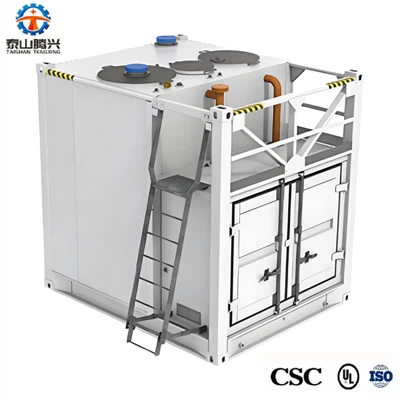
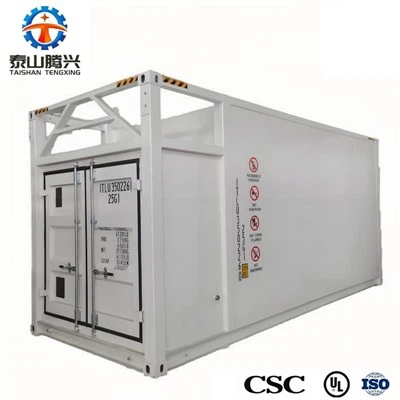
As a supplier of mobile fuel stations, ensuring fuel compatibility with different vehicles is a crucial aspect of our business. In this blog, I'll delve into the scientific and practical measures we take to guarantee that our mobile fuel stations can provide suitable fuel for a wide range of vehicles.
Understanding Vehicle Fuel Requirements
The first step in ensuring fuel compatibility is to have a comprehensive understanding of the diverse fuel requirements of different vehicles. Vehicles can be broadly classified into several categories based on their fuel types, including gasoline - powered, diesel - powered, and alternative fuel - powered vehicles such as those running on natural gas or electric - hybrid systems.
Gasoline - powered vehicles typically require fuels with specific octane ratings. The octane rating measures a fuel's ability to resist knocking or pinging during combustion. Higher - performance gasoline engines often demand higher octane fuels to operate efficiently. For example, sports cars and some luxury vehicles may require premium gasoline with an octane rating of 91 or higher. On the other hand, regular gasoline with an octane rating of around 87 is suitable for most standard passenger cars.
Diesel - powered vehicles, in contrast, rely on diesel fuel. Diesel fuel has different properties compared to gasoline. It has a higher energy density and is ignited by compression rather than a spark. Diesel engines require fuel with appropriate cetane numbers, which indicate the ignition quality of the diesel fuel. A higher cetane number means quicker ignition and smoother engine operation. Different diesel engines may have different cetane number requirements depending on their design and intended use, such as heavy - duty trucks or light - duty diesel cars.
Alternative fuel - powered vehicles present their own unique challenges. Natural gas - powered vehicles, for instance, need compressed natural gas (CNG) or liquefied natural gas (LNG). These fuels require specialized storage and dispensing systems. Electric - hybrid vehicles may use gasoline or diesel in combination with an electric motor, and their fuel requirements are often more complex as they need to work in harmony with the vehicle's electrical components.
Fuel Quality Control
Maintaining high - quality fuel is essential for ensuring compatibility with different vehicles. At our mobile fuel stations, we implement strict quality control measures from the moment the fuel is sourced until it is dispensed into the vehicle.
We source our fuel from reputable suppliers who adhere to strict industry standards. These suppliers conduct rigorous testing on the fuel to ensure it meets the required specifications for octane or cetane numbers, as well as other important properties such as sulfur content. For example, in many regions, there are regulations limiting the sulfur content in diesel fuel to reduce emissions and protect the environment.
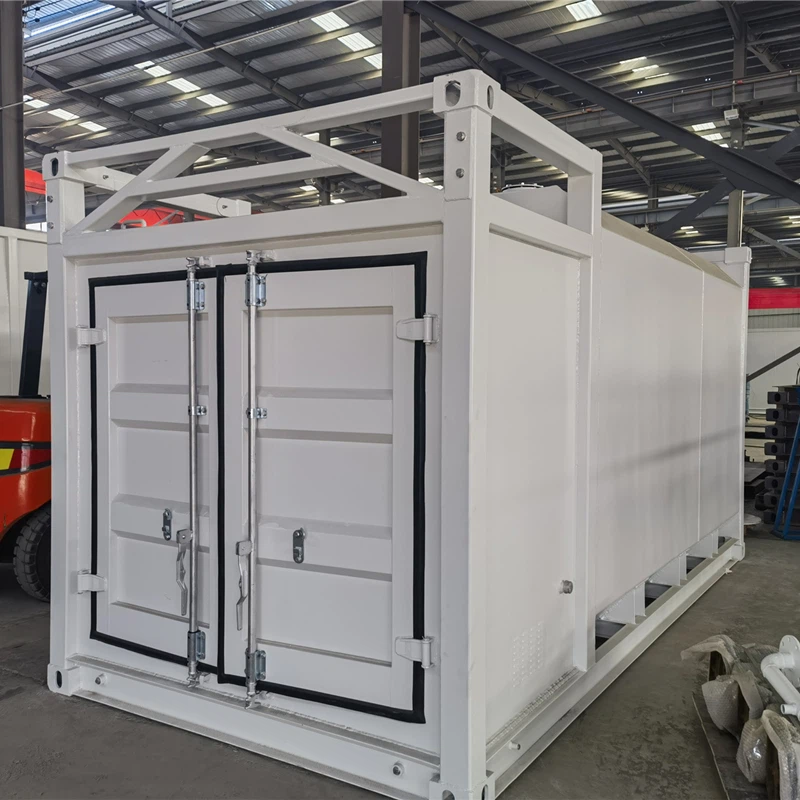

Once the fuel arrives at our mobile fuel stations, we conduct additional on - site testing. We use advanced analytical equipment to check the fuel's properties, including its density, viscosity, and water content. Water in fuel can cause serious problems in engines, such as corrosion and reduced combustion efficiency. By regularly testing for water content, we can ensure that only dry fuel is dispensed.
We also have a strict storage and handling protocol. Our fuel storage tanks are designed to prevent contamination. They are made of materials that are resistant to corrosion and are equipped with filters to remove any impurities that may be present in the fuel. The tanks are also regularly inspected and cleaned to maintain their integrity and prevent the build - up of sediment or other contaminants.
Customized Fuel Blending
In some cases, we may need to customize the fuel blend to meet the specific requirements of certain vehicles. For example, in areas with extreme temperatures, we may adjust the fuel blend to ensure proper engine performance. In cold weather, diesel fuel may need to be blended with additives to prevent it from gelling. Gelled diesel can clog fuel filters and prevent the engine from starting.
We also offer different grades of gasoline and diesel to accommodate various vehicle needs. Our mobile fuel stations are equipped with multiple storage tanks, each containing a different grade of fuel. This allows us to provide the right fuel for different types of vehicles. For example, we can offer regular gasoline for standard cars and premium gasoline for high - performance vehicles.
Compatibility Testing
Before introducing a new fuel product or making significant changes to our fuel supply, we conduct extensive compatibility testing. We work with vehicle manufacturers and independent testing laboratories to ensure that our fuel is compatible with a wide range of vehicle models.
These compatibility tests involve running engines on our fuel for extended periods and monitoring their performance. We look for any signs of engine damage, reduced efficiency, or abnormal emissions. We also test the fuel's impact on other vehicle components, such as fuel injectors, pumps, and seals. By conducting these tests, we can identify and address any potential compatibility issues before they cause problems for our customers.
Advanced Dispensing Technology
Our mobile fuel stations are equipped with advanced dispensing technology to ensure accurate and safe fuel delivery. The dispensing nozzles are designed to fit different vehicle fuel inlets, whether they are for gasoline, diesel, or alternative fuel vehicles. This helps to prevent misfueling, which can cause serious damage to engines.
We also use electronic control systems to monitor the dispensing process. These systems can measure the amount of fuel being dispensed, the flow rate, and the pressure. They can also detect any irregularities in the dispensing process, such as a leak or a blockage, and automatically shut off the fuel supply to prevent accidents.
Training and Education
Our staff plays a crucial role in ensuring fuel compatibility. We provide comprehensive training to our employees on fuel types, vehicle requirements, and proper dispensing procedures. They are trained to identify different types of vehicles and recommend the appropriate fuel.
We also offer educational resources to our customers. We have brochures and online materials that explain the different fuel options available and which fuel is suitable for their vehicles. By educating our customers, we can help them make informed decisions and ensure that they use the right fuel for their vehicles.
Conclusion
Ensuring fuel compatibility with different vehicles is a complex but essential task for our mobile fuel station business. By understanding vehicle fuel requirements, implementing strict quality control measures, offering customized fuel blends, conducting compatibility testing, using advanced dispensing technology, and providing training and education, we can provide our customers with a reliable and safe fueling experience.
If you are interested in our Container Gas Station, Portable Fuel Station, or Mobile Gas Station solutions, we welcome you to contact us for procurement and further discussions. We are committed to meeting your fueling needs and ensuring the best performance for your vehicles.
References
- Society of Automotive Engineers (SAE) standards on fuel quality and compatibility.
- Environmental Protection Agency (EPA) regulations on fuel emissions and quality.
- Industry reports on vehicle fuel requirements and trends.