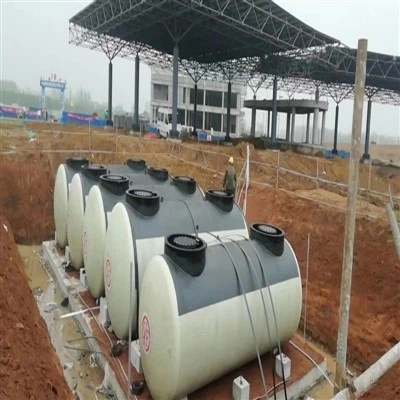
Hey there! As a supplier of Mobile Filling Stations, I often get asked how these nifty setups are regulated. It's a crucial topic, especially when you're dealing with something as flammable and important as fuel. So, let's dive right in and explore the ins and outs of Mobile Filling Station regulations.
Understanding the Basics
First off, what exactly is a Mobile Filling Station? Well, it's a portable unit that can dispense fuel on - the - go. You've got different types like the Portable Petrol Station, Mobile Filling Station, Portable Diesel Station, Mobile Diesel Station, and Mobile Gasoline Station. These are super handy for places where traditional fuel stations aren't readily available, like construction sites, remote farms, or large events.
Safety Regulations
Safety is the number one concern when it comes to regulating Mobile Filling Stations. These units store and dispense highly flammable substances, so there are strict rules in place to prevent accidents.
Storage Requirements
The fuel storage tanks in Mobile Filling Stations need to be made of materials that can withstand corrosion and pressure. They're usually made of high - quality steel or fiberglass. The tanks also have to be installed in a way that minimizes the risk of leaks. For example, they should be placed on a flat, stable surface and have proper secondary containment to catch any spills.
The capacity of the storage tanks is also regulated. In many areas, there's a limit on how much fuel a Mobile Filling Station can carry at one time. This helps to reduce the potential damage in case of an accident.
Dispensing Equipment
The dispensing equipment, like the pumps and hoses, must be regularly inspected and maintained. They have to be designed to prevent static electricity buildup, which could potentially ignite the fuel. The hoses should be in good condition, without any cracks or leaks, and the pumps need to be calibrated accurately to ensure correct fuel dispensing.
Fire Prevention
Mobile Filling Stations are required to have proper fire prevention and suppression systems. This includes having fire extinguishers on board, as well as proper ventilation to prevent the buildup of flammable vapors. Smoking or using open flames near the station is strictly prohibited.
Environmental Regulations
Another important aspect of regulation is the environmental impact of Mobile Filling Stations. Fuel spills can contaminate soil and water, so there are rules in place to prevent this.
Spill Prevention and Response
Mobile Filling Stations must have a spill prevention plan. This includes having absorbent materials on hand to clean up any small spills immediately. In case of a larger spill, there should be a response plan that outlines how to contain and clean up the spill to minimize environmental damage.
Waste Management
The waste generated by Mobile Filling Stations, such as used filters and contaminated absorbent materials, must be disposed of properly. There are specific regulations regarding how and where this waste can be taken for disposal to ensure it doesn't harm the environment.
Licensing and Permits
To operate a Mobile Filling Station, you need to obtain the necessary licenses and permits. These requirements vary depending on the location.
Business Licenses
You'll typically need a general business license to operate as a Mobile Filling Station supplier. This is just a basic requirement to legally do business in your area.
Fuel - related Permits
In addition to the business license, you'll need permits related to the storage and dispensing of fuel. These permits ensure that you're following all the safety and environmental regulations. You may have to go through inspections by local authorities before the permits are issued.
Transport Permits
If you're moving the Mobile Filling Station from one location to another, you may need transport permits. These are to ensure that the unit is being transported safely and in compliance with traffic regulations.
Inspections and Audits
Regular inspections and audits are a big part of the regulatory process for Mobile Filling Stations.
Routine Inspections
Local regulatory authorities will conduct routine inspections of Mobile Filling Stations. They'll check things like the condition of the storage tanks, the functionality of the dispensing equipment, and the presence of safety and environmental protection measures.
Audits
Periodic audits are also carried out to ensure that the supplier is keeping proper records, such as maintenance logs, spill reports, and compliance with all regulations. These audits help to keep the industry in check and ensure that everyone is operating safely.
Impact on the Supplier
As a Mobile Filling Station supplier, these regulations clearly have a big impact on my business. On one hand, they can be a bit of a hassle. There are a lot of requirements to meet, and it takes time and money to ensure compliance. For example, regular maintenance and inspections cost money, and obtaining all the necessary licenses and permits can be a complex process.
On the other hand, these regulations are essential for our industry. They protect our customers, the environment, and the reputation of our business. By following the rules, we can provide a safe and reliable service, which in the long run, is good for business.


Conclusion
So, there you have it - a rundown of how Mobile Filling Stations are regulated. It's a complex but necessary system that ensures the safe and responsible operation of these important units. If you're in the market for a Mobile Filling Station, whether it's a Portable Petrol Station, Mobile Filling Station, Portable Diesel Station, Mobile Diesel Station, or Mobile Gasoline Station, you can rest assured that the industry is well - regulated.
If you're interested in purchasing a Mobile Filling Station, I'd love to have a chat with you. We can discuss your specific needs and how we can provide the best solution for you. Don't hesitate to reach out and start the conversation about your potential fueling requirements.
References
- Local government regulatory documents on fuel storage and dispensing.
- Industry standards for Mobile Filling Station safety and environmental protection.