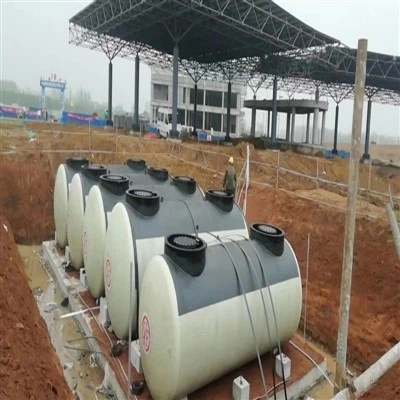
Hey there! As a supplier for mini gas stations, I've been getting a lot of questions lately about what the marketing budget for a mini gas station should look like. So, I thought I'd break it down for y'all and give you a better idea of what goes into it.
First off, let's talk about why a marketing budget is important for a mini gas station. In today's competitive market, it's not enough to just have a convenient location and good prices. You need to get the word out about your business, attract new customers, and keep the existing ones coming back for more. A well-planned marketing budget helps you do exactly that.
Breaking Down the Marketing Budget
1. Branding and Signage
One of the first things a mini gas station needs is a strong brand identity. This includes a catchy logo, colors that stand out, and clear signage. Investing in high-quality signage is crucial because it's the first thing customers notice when they drive by. Whether it's the big sign on the roadside or the smaller ones at the pumps, good signage can attract attention and make your station more memorable. You might need to budget for new signs every few years, as well as any updates to the branding.
2. Local Advertising
Local advertising is key for a mini gas station. You're not trying to reach a global audience; you want to target the people in your immediate area. This could include things like:
- Newspaper Ads: Placing ads in the local newspaper can be a great way to reach a wide audience. You can run promotions, announce special offers, or just keep your brand in front of people.
- Magazine Ads: If there are any local lifestyle or automotive magazines, consider placing an ad in them. These magazines often have a more targeted readership, which can be beneficial for your mini gas station.
- Direct Mail: Sending out flyers or postcards to homes in the surrounding area can also be effective. You can include coupons, loyalty program information, or other incentives to get people to visit your station.
3. Digital Marketing
In today's digital age, having an online presence is a must. Here are some digital marketing channels you should consider:
- Website: A professional website is essential for any business. It serves as a hub for all your information, including your location, hours of operation, services offered, and special promotions. You can also use your website to showcase customer testimonials and build trust with potential customers. Check out Small Mobile Petrol Station for more information on small-scale fuel solutions.
- Social Media: Platforms like Facebook, Instagram, and Twitter are great for engaging with your customers. You can post updates about new products, share photos of your station, and run contests to increase brand awareness. Make sure to respond to customer comments and messages promptly to build a good relationship with your audience.
- Search Engine Optimization (SEO): Optimizing your website for search engines can help you rank higher in search results. This means more people will find your website when they search for "mini gas station" in your area. You can do this by using relevant keywords, creating high-quality content, and getting backlinks from other reputable websites.
4. Loyalty Programs and Promotions
Everyone loves a good deal, and loyalty programs and promotions are a great way to attract and retain customers. You could offer things like:


- Fuel Discounts: Give customers a discount on fuel when they purchase a certain amount or use your loyalty card.
- Freebies: Offer free car washes, snacks, or drinks with a fuel purchase.
- Loyalty Cards: Reward customers with points for every purchase they make. These points can be redeemed for discounts or free items in the future.
5. Community Engagement
Getting involved in the local community is a great way to build a positive reputation and attract new customers. You could sponsor local events, donate to local charities, or partner with other businesses in the area. For example, you could team up with a nearby auto repair shop and offer a joint promotion.
How Much Should You Spend?
Now, the big question: how much should you budget for marketing? Well, there's no one-size-fits-all answer. It depends on a variety of factors, including the size of your station, your location, your competition, and your business goals.
As a general rule of thumb, most businesses spend between 2% and 5% of their annual revenue on marketing. However, for a new mini gas station, you might need to spend a bit more in the beginning to establish your brand and attract customers. Once you have a solid customer base, you can adjust your marketing budget accordingly.
Tips for Managing Your Marketing Budget
- Set Clear Goals: Before you start spending money on marketing, make sure you have clear goals in mind. Do you want to increase foot traffic, boost sales, or improve brand awareness? Having specific goals will help you allocate your budget more effectively.
- Track Your Results: Keep track of your marketing efforts and measure their effectiveness. This will help you determine what's working and what's not, so you can adjust your strategy accordingly.
- Be Creative: You don't have to spend a fortune on marketing to get results. Look for creative ways to promote your business, such as partnering with local influencers or hosting events at your station.
Conclusion
A well-planned marketing budget is essential for the success of a mini gas station. By investing in branding, local advertising, digital marketing, loyalty programs, and community engagement, you can attract new customers, retain existing ones, and build a strong brand in your local area.
If you're in the market for a Mini Petrol Station or Small Mobile Diesel Station, or just want to learn more about our products and services, I'd love to chat. Feel free to reach out and we can start a discussion about how we can help you take your mini gas station to the next level.
References
- Kotler, P., & Armstrong, G. (2019). Principles of Marketing. Pearson.
- Ries, A., & Trout, J. (2001). Positioning: The Battle for Your Mind. McGraw-Hill.