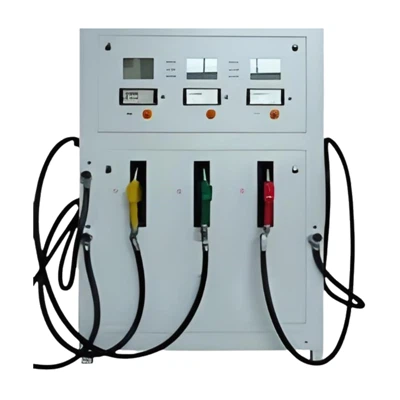
Hey there! As a supplier of Mini Diesel Stations, I often get asked about how to check the battery condition in these stations. It's a crucial aspect of maintaining the smooth operation of your Mini Diesel Station, so I'm here to share some practical tips with you.
First off, let's understand why checking the battery condition is so important. The battery in a Mini Diesel Station powers various components, such as the control panel, lights, and starting system. A weak or faulty battery can lead to issues like difficulty starting the generator or inconsistent power supply. So, regular battery checks are a must.
Visual Inspection
The first step in checking the battery condition is a visual inspection. Pop open the battery compartment and take a good look at the battery. Check for any signs of physical damage, like cracks or bulges on the battery casing. These can be indicators of internal problems or overheating. Also, look for corrosion on the battery terminals. Corrosion appears as a white or greenish powdery substance around the terminals. It can interfere with the electrical connection and reduce the battery's performance.
If you notice any corrosion, you can clean it using a mixture of baking soda and water. Make sure to disconnect the battery cables first (negative cable first, then positive) to avoid any electrical shocks. Dip an old toothbrush in the baking soda solution and gently scrub the terminals until the corrosion is removed. Rinse with clean water and dry thoroughly before reconnecting the cables.
Battery Voltage Check
One of the most common ways to check the battery's health is by measuring its voltage. You'll need a multimeter for this. Set the multimeter to the DC voltage setting, usually around 20 volts for a 12-volt battery. Connect the red probe to the positive terminal of the battery and the black probe to the negative terminal.
A fully charged 12-volt battery should read around 12.6 to 12.8 volts. If the voltage is significantly lower, say around 12.2 volts or less, it might indicate that the battery is not fully charged or is starting to lose its capacity. However, keep in mind that the voltage can vary depending on the battery's state of charge and temperature.


If you're not sure what the voltage readings mean, some multimeters come with a built-in battery tester function. This can give you a more accurate assessment of the battery's condition, indicating whether it's good, fair, or poor.
Load Testing
Load testing is a more comprehensive way to check the battery's ability to deliver power under a load. You'll need a battery load tester for this. A load tester applies a specific load to the battery for a short period and measures the voltage drop.
Before performing a load test, make sure the battery is fully charged. Connect the load tester to the battery terminals according to the manufacturer's instructions. Apply the load for about 15 seconds and observe the voltage reading. If the voltage drops below a certain level (usually around 9.6 volts for a 12-volt battery), it means the battery may not be able to handle the load and might need to be replaced.
Battery Hydrometer Test (for Flooded Batteries)
If your Mini Diesel Station uses flooded lead-acid batteries, you can use a battery hydrometer to check the state of charge of each cell. A hydrometer measures the specific gravity of the electrolyte in the battery cells.
To perform the test, remove the caps from the battery cells and insert the hydrometer into each cell. Squeeze the bulb on the hydrometer to draw some electrolyte into the tube. Read the specific gravity from the scale on the hydrometer. A fully charged cell should have a specific gravity of around 1.265 to 1.280. If the specific gravity is significantly lower, it indicates that the cell is discharged or has a problem.
Frequency of Checks
How often should you check the battery condition in your Mini Diesel Station? It depends on several factors, such as the usage frequency of the station, the environment it operates in, and the type of battery. As a general rule, it's a good idea to check the battery at least once a month. If the station is used frequently or operates in harsh conditions, you may need to check it more often.
Importance of Proper Battery Maintenance
In addition to regular checks, proper battery maintenance is essential to ensure the longevity and performance of the battery. Here are some tips:
- Keep the battery clean and dry. Dirt and moisture can cause corrosion and damage to the battery.
- Make sure the battery is properly secured in its compartment to prevent vibrations and damage.
- Charge the battery regularly, especially if the station is not in use for an extended period. A fully charged battery is less likely to develop sulfation, which can reduce its capacity.
- Follow the manufacturer's recommendations for charging and discharging the battery. Overcharging or deep discharging can shorten the battery's lifespan.
Conclusion
Checking the battery condition in a Mini Diesel Station is an important part of its maintenance. By performing regular visual inspections, voltage checks, load tests, and hydrometer tests (for flooded batteries), you can ensure that the battery is in good working condition and avoid any unexpected breakdowns.
If you're in the market for a Mini Diesel Station or need more information about battery maintenance, feel free to visit our website at Mini Diesel Station. We also offer Mini Petrol Station options for those who prefer petrol.
If you have any questions or would like to discuss your specific requirements, don't hesitate to reach out. We're here to help you find the right solution for your needs.
References
- Battery Maintenance Guide, Battery Council International
- Diesel Generator Handbook, various industry publications