As a supplier of Mini Diesel Stations, I understand the importance of proper waste oil disposal. Not only does it ensure environmental protection, but it also helps in maintaining the efficiency and longevity of the diesel station equipment. In this blog, I will share some effective ways to dispose of the waste oil from a Mini Diesel Station.
Understanding the Nature of Waste Oil from Mini Diesel Stations
Waste oil from Mini Diesel Stations is a complex mixture. It contains a variety of contaminants such as dirt, metal particles, water, and chemical by - products. These contaminants are a result of the combustion process in diesel engines and the wear and tear of engine components. For example, when diesel is burned, unburned fuel residues, carbon deposits, and ash are left behind in the oil. Additionally, the friction between moving parts in the engine causes metal shavings to mix with the oil.
The presence of these contaminants makes waste oil from Mini Diesel Stations a hazardous material. If not disposed of properly, it can seep into the soil and contaminate groundwater, posing a serious threat to the environment and human health. Moreover, it can also cause air pollution if burned in an improper way.
Legal Requirements for Waste Oil Disposal
Before discussing the disposal methods, it is crucial to be aware of the legal requirements. Different regions have different regulations regarding waste oil disposal. In many areas, it is illegal to dump waste oil into sewers, on the ground, or in regular trash. These regulations are in place to protect the environment and public health.
As a supplier of Mini Diesel Stations, I always advise my customers to familiarize themselves with the local laws. They should obtain the necessary permits and follow the proper procedures for waste oil disposal. This not only helps them avoid legal penalties but also shows their commitment to environmental responsibility. You can visit local environmental protection agencies' websites to get detailed information about the regulations in your area.
Recycling Waste Oil
One of the most environmentally friendly and cost - effective ways to dispose of waste oil from a Mini Diesel Station is through recycling. Recycling waste oil has several benefits. Firstly, it reduces the demand for virgin oil, which is a non - renewable resource. Secondly, it helps in reducing pollution associated with oil extraction and refining.
There are specialized waste oil recycling facilities that can process the waste oil from Mini Diesel Stations. These facilities use a series of processes to clean and purify the waste oil. The first step usually involves filtration to remove large particles such as dirt and metal shavings. Then, the oil is heated to remove water and other volatile contaminants. After that, chemical treatments are used to break down and remove the remaining impurities.
Once the waste oil is recycled, it can be used for various purposes. It can be re - refined into lubricating oil, which can be used again in diesel engines. It can also be used as a fuel in industrial boilers or furnaces. Many recycling facilities have established partnerships with industries that use recycled oil as a fuel source.
If you are interested in recycling waste oil from your Mini Diesel Station, you can search for local recycling facilities. You can also check online directories or contact your local environmental protection agency for a list of approved recycling companies. Some recycling facilities may even offer collection services, which can save you the hassle of transporting the waste oil.
Reusing Waste Oil on - Site
In some cases, it may be possible to reuse waste oil on - site. For example, waste oil can be used as a lubricant for non - critical equipment in the Mini Diesel Station. However, this should only be done after proper treatment to ensure that the oil meets the required quality standards.
Before reusing the waste oil, it is necessary to test it for contaminants. You can use simple testing kits available in the market to check the oil's viscosity, water content, and level of contaminants. If the oil passes the tests, it can be used for non - critical applications such as lubricating the hinges of doors, gates, or some moving parts of the station's equipment.
However, it is important to note that reusing waste oil on - site should be done with caution. You should never use waste oil in engines or other critical equipment without proper re - refining. Using contaminated oil in engines can cause serious damage and reduce the engine's performance and lifespan.
Selling Waste Oil to a Licensed Buyer
Another option is to sell the waste oil to a licensed buyer. There are companies that specialize in purchasing waste oil from Mini Diesel Stations and other sources. These companies have the necessary equipment and expertise to handle and process the waste oil.
When selling waste oil to a licensed buyer, it is important to ensure that they have a good reputation. You can ask for references and check their compliance with environmental regulations. The price of waste oil may vary depending on the quality and quantity of the oil. Some buyers may offer a better price if the oil is relatively clean and has fewer contaminants.
Before selling the waste oil, you should also make sure that you have the proper documentation. This includes records of the waste oil's origin, quantity, and any testing results. This documentation is important for legal and accounting purposes.
Proper Storage of Waste Oil
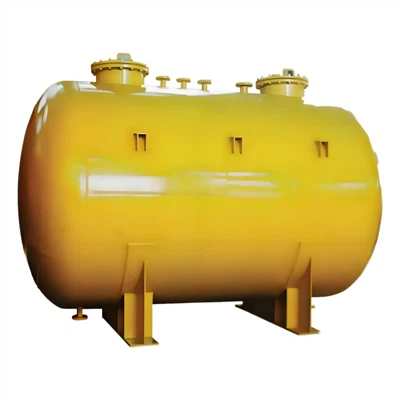
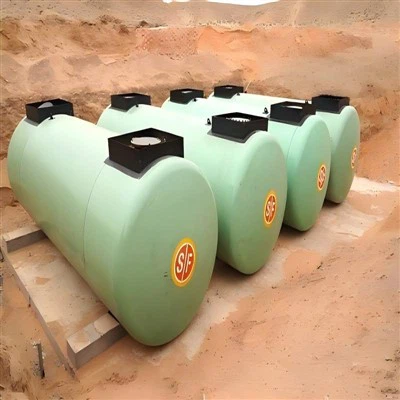
Proper storage of waste oil is also crucial before it is disposed of. Waste oil should be stored in approved containers. These containers should be made of materials that are resistant to corrosion and leakage. They should also have tight - fitting lids to prevent spills and evaporation.
The storage area should be well - ventilated and away from sources of heat and ignition. It should be clearly marked as a waste oil storage area. Regular inspections should be carried out to check for any signs of leakage or damage to the containers. If any problems are found, the containers should be repaired or replaced immediately.
As a supplier of Mini Diesel Stations, I often provide my customers with guidance on proper waste oil storage. I recommend using double - walled containers for added safety. Double - walled containers have an outer layer that can contain any leaks from the inner layer, reducing the risk of environmental contamination.
Training and Education
In addition to providing the right equipment and solutions for waste oil disposal, it is also important to provide training and education to the staff at Mini Diesel Stations. They should be trained on how to handle waste oil safely, how to store it properly, and how to follow the disposal procedures.
Training programs can cover topics such as the hazards of waste oil, the importance of environmental protection, and the proper use of equipment for waste oil handling. By educating the staff, you can ensure that they are aware of their responsibilities and can carry out their tasks in a safe and environmentally friendly manner.
Conclusion
Proper waste oil disposal from Mini Diesel Stations is essential for environmental protection and compliance with legal requirements. As a supplier of Mini Diesel Stations, I am committed to helping my customers find the best solutions for waste oil disposal. Whether it is through recycling, reusing on - site, selling to a licensed buyer, or following other proper methods, there are many options available.
If you are interested in purchasing a Mini Diesel Station or need more information about waste oil disposal, please feel free to contact me. I will be happy to assist you in making the right decisions for your business. You can also visit our website for more details about our Mini Diesel Station and Mini Petrol Station products. Let's work together to ensure proper waste oil disposal and protect our environment.


References
- Environmental Protection Agency (EPA). "Waste Oil Management".
- Local environmental protection agency regulations.
- Industry reports on waste oil recycling and disposal.