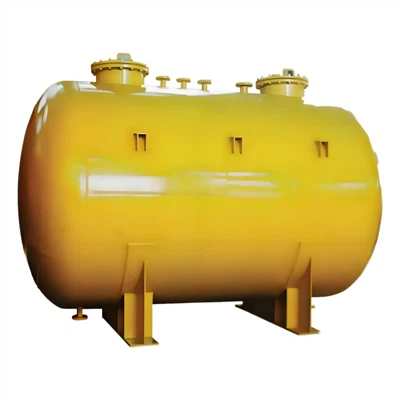
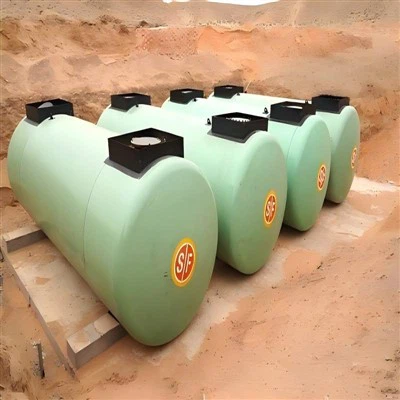
As a supplier of 20 ft ISO tanks, I often encounter inquiries about how to measure the temperature inside these containers accurately. Temperature measurement is crucial, especially when transporting sensitive materials such as chemicals, food products, or fuels. In this blog post, I'll share some effective methods and considerations for measuring the temperature inside a 20 ft ISO tank.
Why Temperature Measurement Matters in 20 ft ISO Tanks
Before delving into the measurement methods, it's essential to understand why temperature monitoring is so important. Many substances stored in 20 ft ISO tanks are highly sensitive to temperature changes. For instance, certain chemicals may react violently or degrade if exposed to temperatures outside their specified range. Food products can spoil, and fuels may experience changes in viscosity and performance. By accurately measuring the temperature inside the tank, you can ensure the quality and safety of the contents throughout the transportation process.
Common Temperature Measurement Methods
Thermocouples
Thermocouples are one of the most widely used temperature measurement devices in industrial applications, including ISO tank monitoring. They work based on the Seebeck effect, where a voltage is generated at the junction of two different metals when there is a temperature difference. Thermocouples are known for their durability, wide temperature range, and relatively low cost.
To use a thermocouple for measuring the temperature inside a 20 ft ISO tank, it can be installed through a dedicated port on the tank. The thermocouple probe should be inserted deep enough into the tank to get an accurate reading of the bulk temperature. However, it's important to ensure that the installation process does not compromise the integrity of the tank or cause any leaks.
Resistance Temperature Detectors (RTDs)
RTDs are another popular choice for temperature measurement. They operate on the principle that the electrical resistance of a metal changes with temperature. Platinum is the most commonly used material for RTDs due to its high accuracy, stability, and linearity.
RTDs generally offer better accuracy than thermocouples, especially in the lower to medium temperature ranges. They are also less prone to electromagnetic interference. Similar to thermocouples, RTDs can be installed through a port on the 20 ft ISO tank. However, they are more expensive and may require more complex signal conditioning.


Infrared Thermometers
Infrared thermometers measure temperature by detecting the infrared radiation emitted by an object. They are non-contact devices, which means they can measure the temperature of the tank's contents without the need to penetrate the tank. This can be particularly useful when dealing with hazardous or pressurized substances.
To use an infrared thermometer for a 20 ft ISO tank, you can point it at the outside surface of the tank. However, keep in mind that the reading may be affected by factors such as the emissivity of the tank's surface, the presence of insulation, and environmental conditions. Therefore, it's important to calibrate the infrared thermometer properly and take multiple readings at different locations to get a more accurate estimate of the internal temperature.
Considerations for Temperature Measurement in 20 ft ISO Tanks
Placement of Sensors
The placement of temperature sensors is critical for obtaining accurate readings. When installing sensors inside a 20 ft ISO tank, it's important to consider the flow pattern of the contents and the potential for temperature stratification. For example, in a tank with a vertical orientation, the temperature at the top and bottom may differ significantly. Therefore, it's advisable to install multiple sensors at different heights and locations to get a comprehensive understanding of the temperature distribution.
Calibration
Regular calibration of temperature sensors is essential to ensure their accuracy. Over time, sensors may drift from their original calibration due to factors such as wear and tear, exposure to harsh environments, or electrical interference. Calibration should be performed using a traceable reference standard at regular intervals, as recommended by the sensor manufacturer.
Compatibility with Tank Contents
When selecting a temperature measurement method, it's important to consider the compatibility of the sensor with the tank's contents. For example, some chemicals may be corrosive and can damage certain types of sensors. In such cases, it's necessary to choose sensors that are made of materials resistant to the specific chemicals being transported.
Monitoring and Data Logging
In addition to measuring the temperature, it's also important to monitor and record the temperature data over time. This can be done using a data logger, which can store the temperature readings at regular intervals. Data logging allows you to track the temperature history of the tank's contents, identify any temperature fluctuations, and take appropriate actions if necessary.
Many modern data loggers come with wireless connectivity options, which allow you to remotely monitor the temperature data using a smartphone, tablet, or computer. This can be particularly useful for real-time monitoring during transportation.
Conclusion
Measuring the temperature inside a 20 ft ISO tank is a critical aspect of ensuring the quality and safety of the transported contents. By choosing the right temperature measurement method, considering the placement of sensors, performing regular calibration, and implementing proper monitoring and data logging, you can effectively manage the temperature of the tank's contents.
If you are in the market for a reliable 20FT Tank Container or ISO Fuel Container, I encourage you to reach out to us. We have a wide range of high-quality 20 ft ISO tanks that are designed to meet your specific needs. Whether you need a tank for transporting chemicals, food products, or fuels, we can provide you with the right solution. Contact us today to start a discussion about your requirements and explore how our products can benefit your business.
References
- "Temperature Measurement Handbook," Omega Engineering Inc.
- "Industrial Temperature Measurement," John Wiley & Sons, Inc.
- Manufacturer's documentation for thermocouples, RTDs, and infrared thermometers.